
The Desert Is Becoming a Laboratory for the Future of Food
Written by Admin • 2026-08-27 01:12:00
Some of the world's driest landscapes are becoming testing grounds for a new agricultural future—one built around technology, efficiency, and resilience. As these regions innovate, they may set a precedent for global food security in the face of climate challenges.
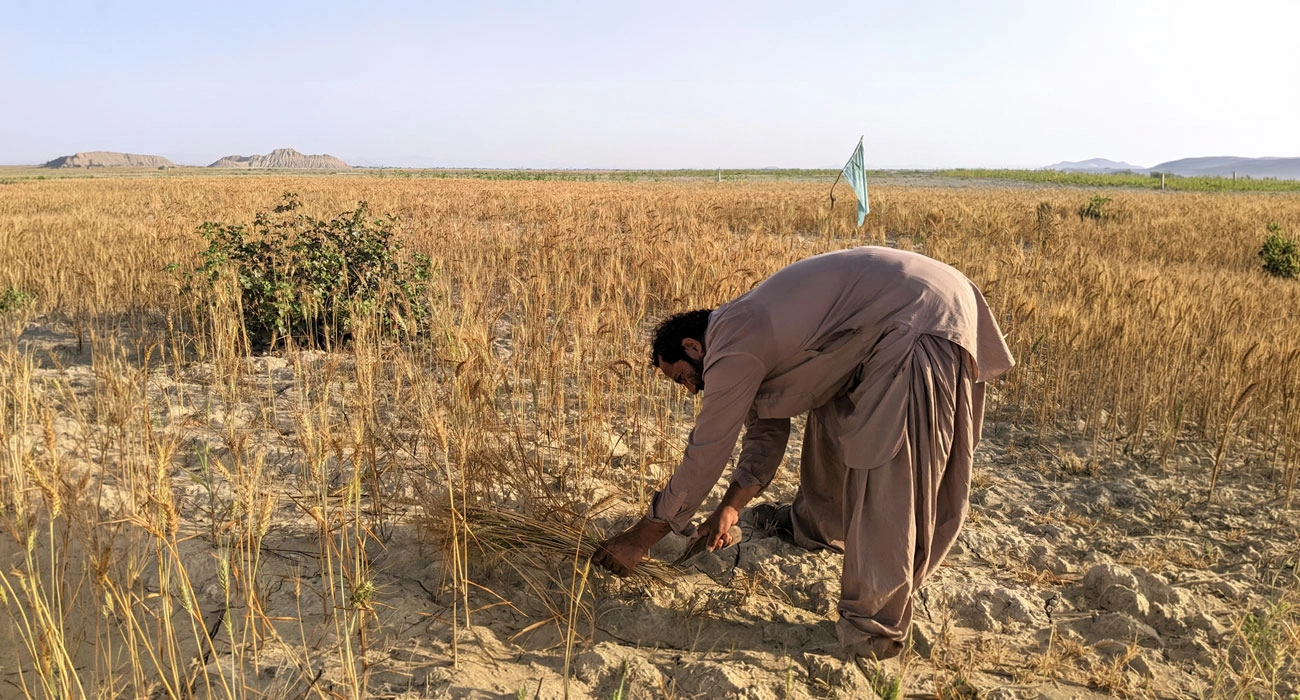
The Desert Is Becoming a Laboratory for the Future of Food
Exploring innovative agricultural practices in the world's driest regions.
Why the World's Dryest Regions Are Looking for New Food Systems
As climate change, water scarcity, and rising populations combine to challenge traditional agriculture, some of the world’s driest regions are transforming into hubs of food innovation. These areas are not only facing the harsh realities of minimal rainfall and extreme temperatures but also the urgent need to adapt food systems to ensure security and sustainability. The convergence of technology and necessity is prompting researchers and entrepreneurs to explore novel methods for food production that can thrive in these extreme conditions.
This evolution in agriculture underscores the need for systems that can operate efficiently in environments previously deemed unsuitable for farming. By investigating new agricultural technologies, these regions are setting the stage for a paradigm shift in how food is grown and consumed. It's a pressing response to an escalating crisis, where traditional practices can no longer sustain the growing demands of food security.
Farming Without Traditional Farmland
Vertical farming, hydroponics, and controlled-environment agriculture have emerged as innovative solutions that defy the limitations of traditional farmland. These methods allow crops to be cultivated in stacked layers or within nutrient-rich water solutions, requiring significantly less land and water than conventional farming. This is particularly advantageous in arid regions, where the availability of both is severely restricted.
By utilizing advanced technology to regulate growth conditions, farmers can optimize resource use and enhance productivity. These techniques not only minimize waste but also enable the year-round production of crops, independent of external weather conditions. As such, they are redefining the agricultural landscape by demonstrating that food can be grown efficiently even in the most inhospitable climates.
Turning Desalinated Water Into Agricultural Potential
Desalination technology plays a critical role in addressing the water scarcity that plagues many arid regions. By converting seawater into freshwater, this technology provides a vital resource for irrigation in otherwise unproductive areas. The relationship between water technology and agricultural potential is profound, as it opens new avenues for farming where water is a limiting factor.
Utilizing desalinated water not only supports crop growth but also extends the viability of agriculture in regions that previously relied solely on rainfall. This innovative approach can help stabilize food supply chains and promote resilience against climatic fluctuations. As the technology matures, its application could spread to other water-stressed regions, offering solutions to global food security challenges.
The Rise of Climate-Resilient Agriculture
Climate-resilient agriculture focuses on developing crops that can withstand extreme weather conditions, pests, and diseases, which are becoming more prevalent due to climate change. Advances in genetic engineering and biotechnology are facilitating the creation of climate-adapted crop varieties that require less water and can thrive in high temperatures.
These innovations are not just about survival; they are also about enhancing productivity and nutritional value. The integration of technology into agriculture is proving that it is possible to grow food in ways that are sustainable and environmentally friendly. As more regions adopt climate-resilient practices, the potential for global food systems to adapt and thrive increases.
The future of agriculture may not be determined solely by where fertile land exists, but by how intelligently humanity learns to produce food where nature provides fewer advantages.— Agricultural Innovator
Facts & Insights
- Water scarcity is becoming an increasingly important challenge for agricultural systems around the world.
- Controlled-environment agriculture allows crops to be grown with greater control over water and climate conditions.
- Technologies developed for arid environments could eventually benefit other regions facing climate and water pressures.
70%+
Global Freshwater Use Linked to Agriculture
1
Global Food Challenge
3+
Major Technologies Reshaping Farming
∞
Potential for Climate Adaptation
Can Desert Agriculture Become a Global Model?
As the world grapples with increasing water scarcity and climate challenges, the experiments taking place in desert agriculture offer valuable insights. The practices and technologies developed in these regions could serve as a blueprint for other water-stressed areas globally. By sharing knowledge and adapting successful strategies, these innovations could revolutionize food production on a larger scale.
The transformation of desert landscapes into productive agricultural zones is not just a local phenomenon; it has the potential to influence global food security. As these regions continue to innovate, they may inspire a new generation of sustainable farming practices that prioritize efficiency, resilience, and adaptability in the face of climate change.
Categories
Tagged in this story
Image sources
Pexels - Photo by Hanif Ali Baluch