
The Future of Cities May Lie in the Buildings They Already Have
Written by Admin • 2026-10-27 01:58:00
Topics
Adaptive reuse is transforming how cities view their existing buildings, allowing for sustainability and economic renewal. By converting old structures into new, functional spaces, cities can retain cultural identity while addressing modern needs.
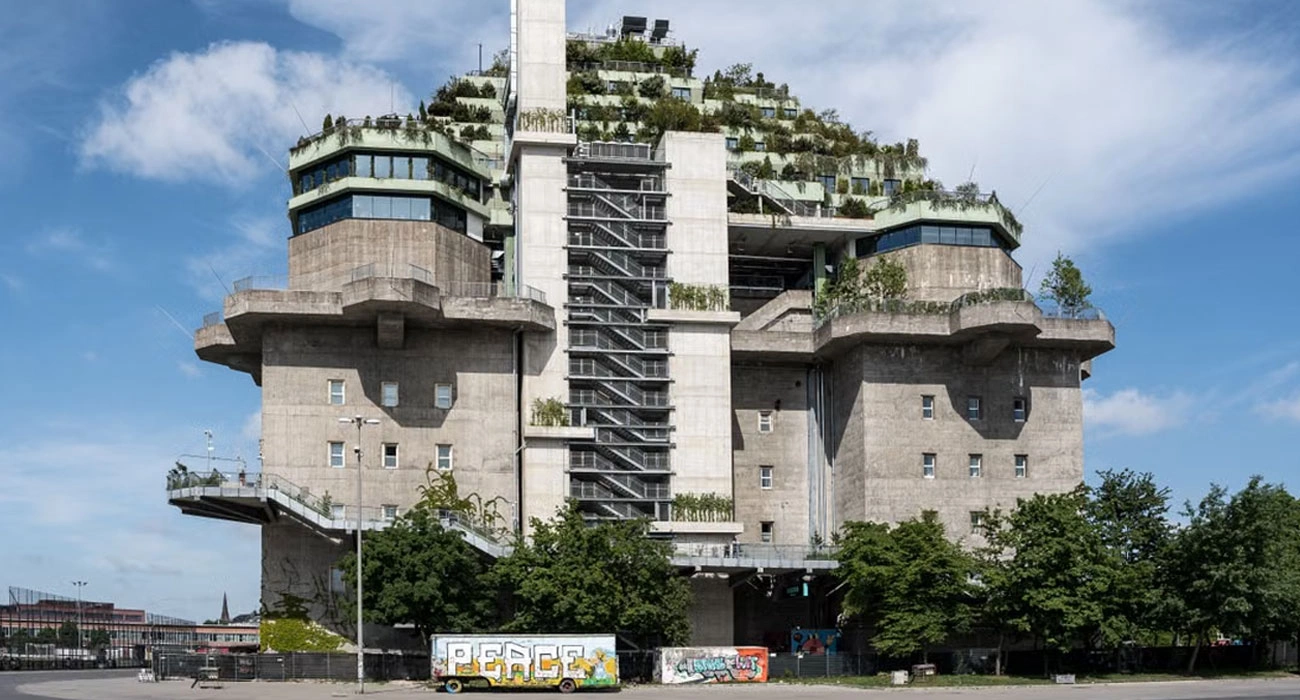
Adaptive Reuse: A More Sustainable Future for Urban Buildings
Exploring how cities can transform existing structures into vibrant, functional spaces.
The Shift Towards Adaptive Reuse
As urban centers continue to grow, the narrative of development has shifted from the construction of new buildings to the adaptive reuse of existing ones. Adaptive reuse connects architecture with sustainability, business strategy, and urban identity. By evaluating the value already embedded in a building—its structure, materials, and historical significance—developers can create productive assets rather than defaulting to demolition. This approach not only preserves the character of neighborhoods but also fosters economic and cultural continuity.
Recent research highlights the environmental and financial implications of converting existing buildings. A 2026 Swedish case study revealed that adapting an office building for residential use could significantly lower emissions compared to new construction. As cities grapple with the dual challenges of climate change and housing shortages, adaptive reuse emerges as a viable solution that balances environmental responsibility with economic feasibility.
Environmental and Economic Benefits
The environmental case for adaptive reuse is compelling. Maintaining existing structures reduces the demand for new materials, thereby minimizing embodied carbon—the greenhouse gas emissions tied to the production and transportation of building materials. Moreover, retaining an old building’s framework can significantly lower emissions compared to the carbon footprint of new construction. However, each adaptive reuse project must be assessed individually, as the environmental impact varies based on the condition of the building and the scale of renovation required.
Economic opportunities also arise from adaptive reuse. Transforming an underutilized property into a functional space can generate new revenue streams for owners while revitalizing neighborhoods. Residential conversions can address housing shortages, while former industrial sites can serve as cultural venues or creative workspaces. However, careful financial assessment is essential; factors such as structural integrity, building codes, and potential hidden defects can affect project viability.
Adapting existing buildings supports long-term climate-mitigation goals.— Summary of findings in the 2026 Swedish case study
Preserving Identity and Community
Buildings do more than define a city’s skyline; they embody the history and identity of communities. Adaptive reuse allows cities to retain their architectural character while introducing new functions and technologies. Successful projects consider not just the aesthetics of the building but also how they engage with the community, enhancing accessibility and contributing to the vibrancy of the area. This balance between preservation and innovation can lead to more active neighborhoods and stronger community ties.
Examples from various European cities illustrate the potential of adaptive reuse. In Ghent, Belgium, the Design Museum incorporated reused materials into its expansion, showcasing how existing structures can support contemporary life. Projects like this emphasize that adaptive reuse is not merely about preserving the past; it is about creating a future that honors the history while addressing present needs.
Facts & Insights
- What it means: Adaptive reuse changes a building’s function or use while retaining much of its existing structure.
- Environmental potential: Retaining structural elements can avoid some emissions associated with manufacturing and installing new materials.
- A case-specific decision: The environmental and financial outcomes depend on the building’s condition, the scale of renovation and how well it performs after conversion.
2026
Publication year of the cited Swedish adaptive-reuse case study.
26%
Embodied emissions compared with new construction
47–74%
Estimated emissions relative to a new residential building
1
The Swedish case study focused on converting one office building to residential use.
Categories
Image sources
Pexels - Photo by Nicole Weiser