
The Future of Urban Living: How Cities Can Adapt to Extreme Heat
Written by Admin • 2026-10-23 01:11:00
Topics
Cities are exploring new ways to cope with extreme heat, from reflective roofs and shaded streets to data-led planning and public health measures.
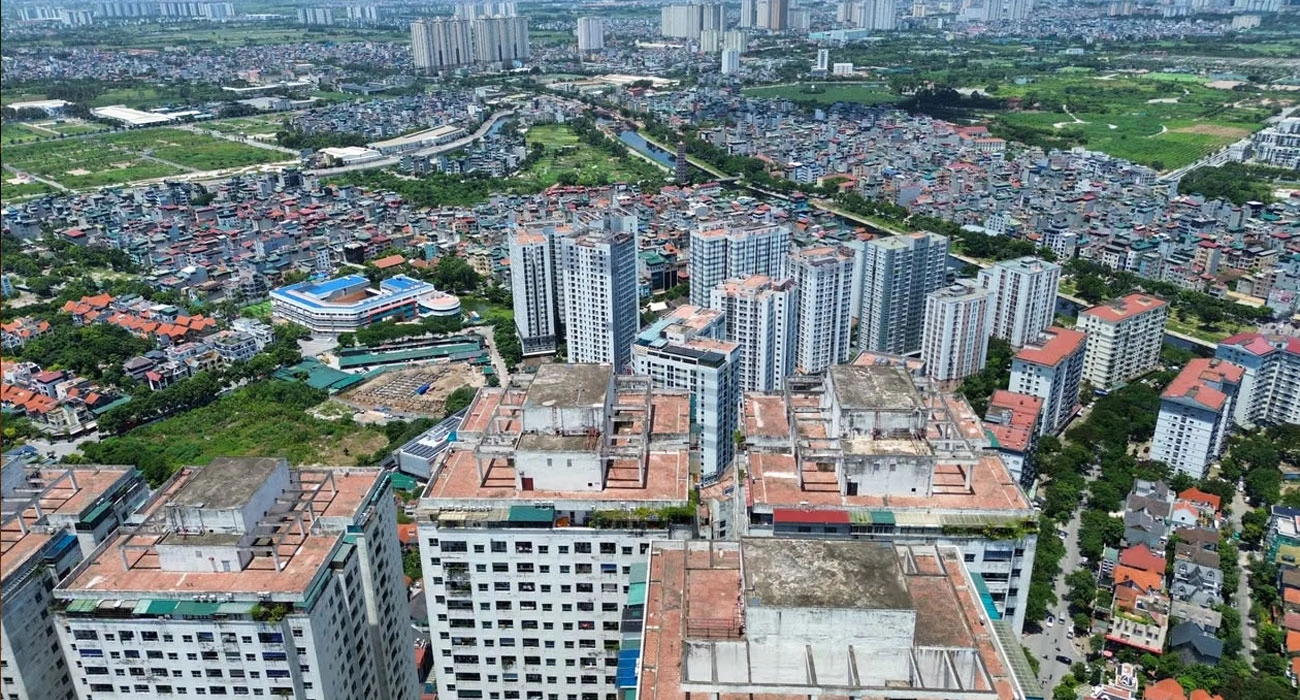
The Future of Urban Living: How Cities Can Adapt to Extreme Heat
Exploring innovative solutions for urban heat resilience.
A city can be full of life and opportunity while becoming increasingly difficult to live in during extreme heat. Streets, rooftops, pavements, and densely packed buildings can absorb and retain heat, leaving residents with limited ways to escape high temperatures. As heatwaves become a more pressing challenge, urban resilience is no longer only about surviving an emergency; it is also about designing everyday environments that protect people's health and quality of life.
Cities have several ways to respond. Reflective roofs can reduce the amount of solar energy absorbed by buildings, trees can provide shade, and carefully planned parks and public spaces can offer cooler places to rest. Heat-warning systems, accessible cooling centres, and adjustments to outdoor working conditions can also help protect people during dangerous periods. The challenge is choosing combinations of measures suited to each neighbourhood's climate, building stock, resources, and population.
The future of urban heat resilience will depend on whether cities can turn data into practical improvements. Mapping temperature differences between neighbourhoods can help decision-makers identify where investment is most urgently needed. Yet technology alone cannot solve the problem: effective planning also requires reliable public services, community participation, and attention to residents who have the fewest options for keeping cool.
Why Some Neighbourhoods Become Hotter Than Others
Building density, dark surfaces, limited vegetation, traffic, and building materials all influence local heat exposure. Outdoor air temperature, surface temperature, and the heat experienced by people can vary significantly. Urban heat mapping allows for a clearer understanding of these differences, showing how citywide averages can obscure substantial variations between streets or neighbourhoods.
Cooling Cities Through Better Design
Reflective roofs, shaded walking routes, urban trees, parks, ventilation, and building retrofits are all strategies that can contribute to urban cooling. Each intervention works differently depending on local conditions. According to WRI's October 2026 analysis of 78 cities, cool roofs occupied only around 1% of total roof area, indicating a potentially underused intervention rather than one that is universally applicable.
From Heat Warnings to Heat-Ready Communities
Heat action plans, public alerts, cooling centres, drinking-water access, and occupational safety measures are essential for protecting communities from extreme heat. Local authorities must coordinate health services, transport, housing, and emergency response to create comprehensive heat-ready strategies that ensure safety and well-being.
Using Data to Direct Investment
Platforms like Cool Cities Lab demonstrate how data can help cities identify high-risk areas and compare possible interventions before committing resources. Effective heat mapping should combine modelled estimates with local measurements and community knowledge, enabling more targeted and effective investments in urban heat resilience.
Making Urban Cooling Fair and Affordable
There is a risk that wealthier neighbourhoods may receive trees, better housing, and improved cooling infrastructure first. It is crucial to protect tenants, enhance informal settlements, and ensure that public cooling measures are accessible to those who cannot afford air conditioning. Equity in urban cooling is vital for creating inclusive cities.
A heat-resilient city is designed not only to endure high temperatures, but to help people live safely through them.
Facts & Insights
- Cool Cities Lab launched in March 2026 with data covering more than 25 cities across five continents.
- A WRI analysis published in October 2026 found that cool roofs accounted for around 1% of roof area across the 78 cities studied.
- An international assessment of heat action plans was published in npj Climate Action on 4 September 2026.
25+
Cities mapped
5
Continents
78
Cities analysed
~1%
Roof area
Designing Cooler Cities, Protecting Better Futures
As extreme heat becomes a defining challenge for urban life, the most resilient cities will be those that translate climate knowledge into practical improvements. From reflective roofs and shaded streets to public health planning and neighbourhood-level data, urban cooling requires cooperation across disciplines. Through BritishPEDIA, stories of innovation and resilience can highlight how thoughtful design and collective action help communities prepare for a changing world.
Categories
Tagged in this story
Image sources
Pexels - Photo by Ngân Nguyễn