
The High Seas Treaty: Turning Global Ocean Protection into Action
Written by Admin • 2026-10-22 00:57:00
Topics
The High Seas Treaty entered into force in January 2026. Its next challenge is turning international commitments into effective protection for marine biodiversity.
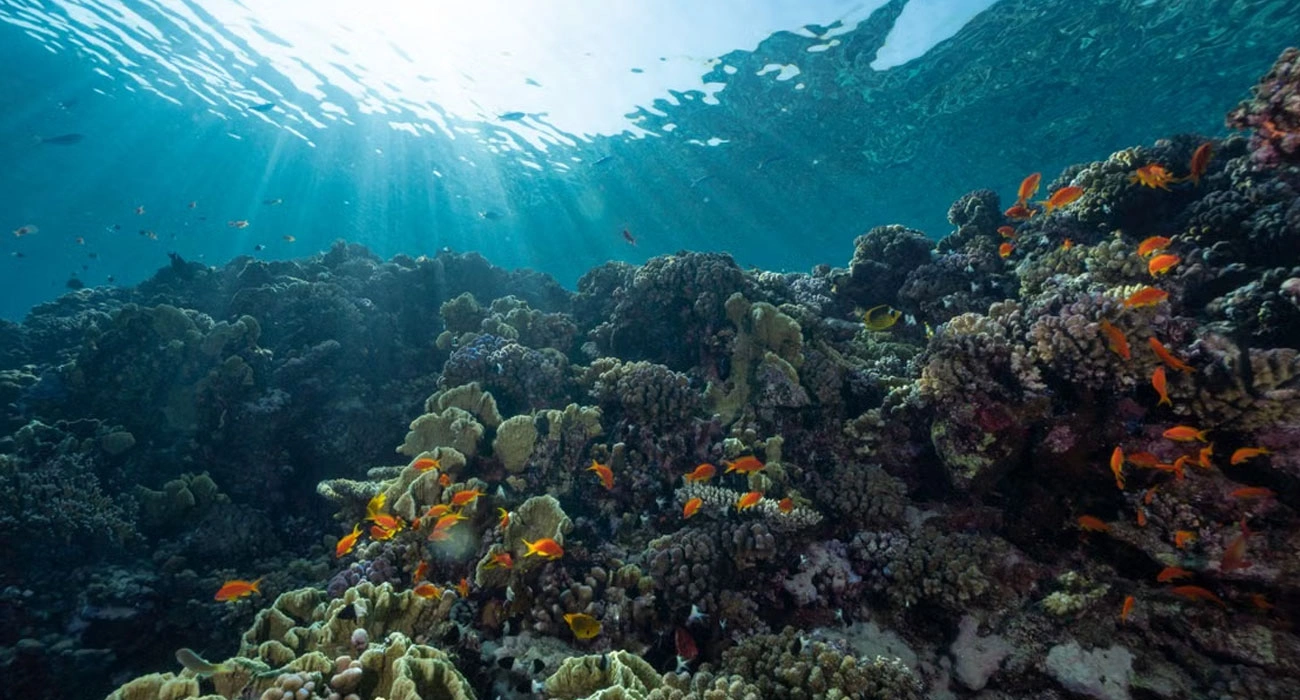
The High Seas Treaty: Turning Global Ocean Protection into Action
Exploring the significance of the High Seas Treaty and its role in protecting marine biodiversity.
Why the High Seas Matter
Much of the world's ocean lies beyond the national jurisdiction of individual countries. These waters are essential for marine life, influence global ecological systems, and connect distant regions. The challenge of protecting biodiversity across such a vast shared environment necessitates international cooperation. Without collective action, isolated national policies cannot effectively manage the high seas, which are home to diverse ecosystems that require a unified approach to safeguard their health and sustainability.
Shared ecological systems are critical for maintaining the balance of marine environments. The health of these systems affects climate regulation, food security, and the livelihoods of millions who depend on ocean resources. Thus, understanding the interconnectedness of marine biodiversity is crucial for implementing effective conservation strategies across international waters.
What the Treaty Changes
Formally known as the Biodiversity Beyond National Jurisdiction Agreement, the treaty establishes a framework for conserving and sustainably using marine biodiversity in international waters. Key components include the establishment of marine protected areas and other area-based management tools, as well as requirements for environmental impact assessments for activities conducted in these areas.
Additionally, the treaty emphasizes the fair and equitable sharing of benefits derived from marine genetic resources, alongside capacity-building and technology transfer to enhance marine governance. While these mechanisms lay the groundwork for protection, they do not automatically create protected areas across the entire high seas; active participation from countries is crucial for these measures to take effect.
From Legal Agreement to Practical Protection
The implementation challenge lies in translating the treaty's legal agreements into tangible protection for marine biodiversity. Countries must engage in decision-making processes, support scientific assessments, and establish effective management and monitoring systems for the measures adopted under the agreement.
This transition requires sustained political commitment and collaboration among governments, scientists, and international organizations. Ensuring that the framework is not only established but actively enforced will be essential to achieving the treaty's goals and safeguarding marine ecosystems for future generations.
The ocean crosses borders; its protection must be built on cooperation.— Environmental Expert
Facts & Insights
- The High Seas Treaty entered into force on 17 January 2026, according to UNESCO's Intergovernmental Oceanographic Commission.
- As of 1 June 2026, 89 countries had become parties to the agreement, according to the UN's 2026 SDG reporting.
- The UN reported that 10.01% of the global ocean was designated as protected or conserved in April 2026, against a global target of 30% by 2030.
17/01/26
High Seas Treaty entered into force
89
Countries: Parties as of 1/06/26
10.01%
Global ocean designated as conserved
30%
Global biodiversity framework target for 2030
A Shared Responsibility for the Ocean
The success of the High Seas Treaty hinges on continued international cooperation, robust scientific capacity, and sustained political will. It is crucial to recognize that the journey does not end with the treaty's adoption; the true challenge lies in the ongoing implementation, which requires a collective effort from all stakeholders involved.
By fostering scientific collaboration and integrating evidence-based management practices, nations can ensure that the commitments made under the treaty translate into effective conservation strategies. The future of our ocean depends on our ability to work together and uphold our shared responsibility to protect these vital ecosystems.
Categories
Image sources
Pexels - Photo by Saad Alaiyadhi