
The Nature Finance Gap: Why Protecting Ecosystems Is Also an Economic Challenge
Written by Admin • 2026-10-19 00:57:00
UNEP’s latest nature finance report reveals a significant imbalance between investment that harms ecosystems and funding that supports nature-based solutions.
The Nature Finance Gap: Why Protecting Ecosystems Is Also an Economic Challenge
Exploring the financial imbalance between nature-based solutions and nature-negative investments.
Understanding the Nature Finance Imbalance
Forests, wetlands, rivers, and healthy soils provide essential services that economies depend on, including water regulation, agricultural productivity, and protection against floods. However, the financial systems that support economic activity often fail to reflect the true value of these natural assets. The United Nations Environment Programme (UNEP) highlights a significant gap between the funding directed towards activities that harm ecosystems and that which supports nature-based solutions. This imbalance raises critical questions regarding how public budgets, private capital, and financial incentives influence ecosystem conditions.
The UNEP’s State of Finance for Nature 2026 report reveals alarming figures that underscore this issue. In 2023 alone, an estimated US$7.3 trillion flowed into nature-negative activities, while only US$220 billion supported nature-based solutions. The stark contrast outlines the urgent need for comprehensive financial strategies that not only raise conservation funding but also redirect existing capital towards sustainable practices. It is clear that addressing this gap requires a broader examination of economic incentives that currently encourage degradation rather than protection of natural resources.
The nature transition is not only about raising new money; it is also about changing where existing capital flows.— Editorial Commentary
Key Facts About Nature Finance
Facts & Insights
- UNEP’s State of Finance for Nature 2026 reports that US$7.3 trillion flowed into nature-negative activities in 2023.
- The same report estimates that US$220 billion supported nature-based solutions during 2023.
- Private finance contributed US$23 billion to nature-based solutions, showing that private capital remains a relatively small part of the reported funding total.
The Economic Implications of the Nature Gap
Aligning financial flows with nature protection has the potential to direct capital towards ecosystem restoration, climate resilience, and more sustainable land use. However, the challenge lies in implementing credible measurement systems and sound governance frameworks that assess both environmental and financial outcomes. Without these conditions met, investments in nature-based solutions risk being ineffective or misallocated, further widening the existing finance gap.
Moreover, the current financing landscape suggests that the nature finance gap is not merely a funding issue but a systemic challenge that requires transformative changes in how capital is deployed. By recognizing the long-term value of healthy ecosystems, investors, governments, and businesses can foster a finance ecosystem that not only seeks profit but also prioritizes sustainability and environmental stewardship.
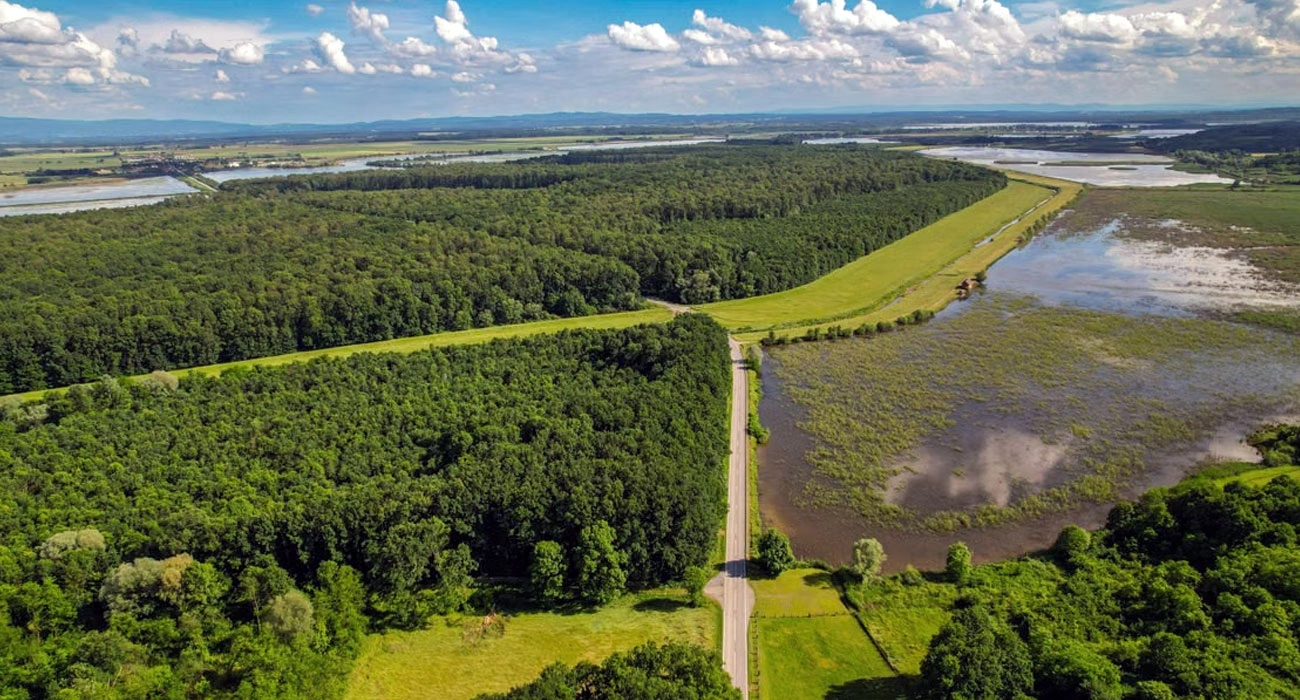
Aerial view of a restored wetland, forest or watershed
Capital Can Shape the Future of Nature
Nature protection is dependent on more than just good intentions; it hinges on the flow of financial resources and whether financial decisions acknowledge the intrinsic value of healthy ecosystems. The findings from UNEP suggest that bridging the nature finance gap necessitates both increased support for nature-based solutions and a re-evaluation of the incentives that currently promote environmental harm. For leaders and investors, the imperative is to consider not only the returns on capital but also the long-term sustainability of the ecosystems that capital deployment affects.
$7.3T
Finance flowing into nature-negative activities in 2023
$220B
Finance for nature-based solutions in 2023
$23B
Private finance for nature-based solutions
30:1
Nature-negative finance compared with nature-based-solution finance, approximately
Categories
Tagged in this story
Image sources
Pexels - Photo by Vladimir Srajber