
The New African Trade Routes Are Redrawing the Map of Global Commerce
Written by Admin • 2026-08-27 01:16:00
A new generation of trade routes is emerging across East Africa, connecting regional businesses with increasingly global markets. This transformation is driven by infrastructure improvements, digital payment innovations, and a growing regional business network.
The New African Trade Routes Are Redrawing the Map of Global Commerce
How East Africa Is Building the Next Generation of Global Trade Routes
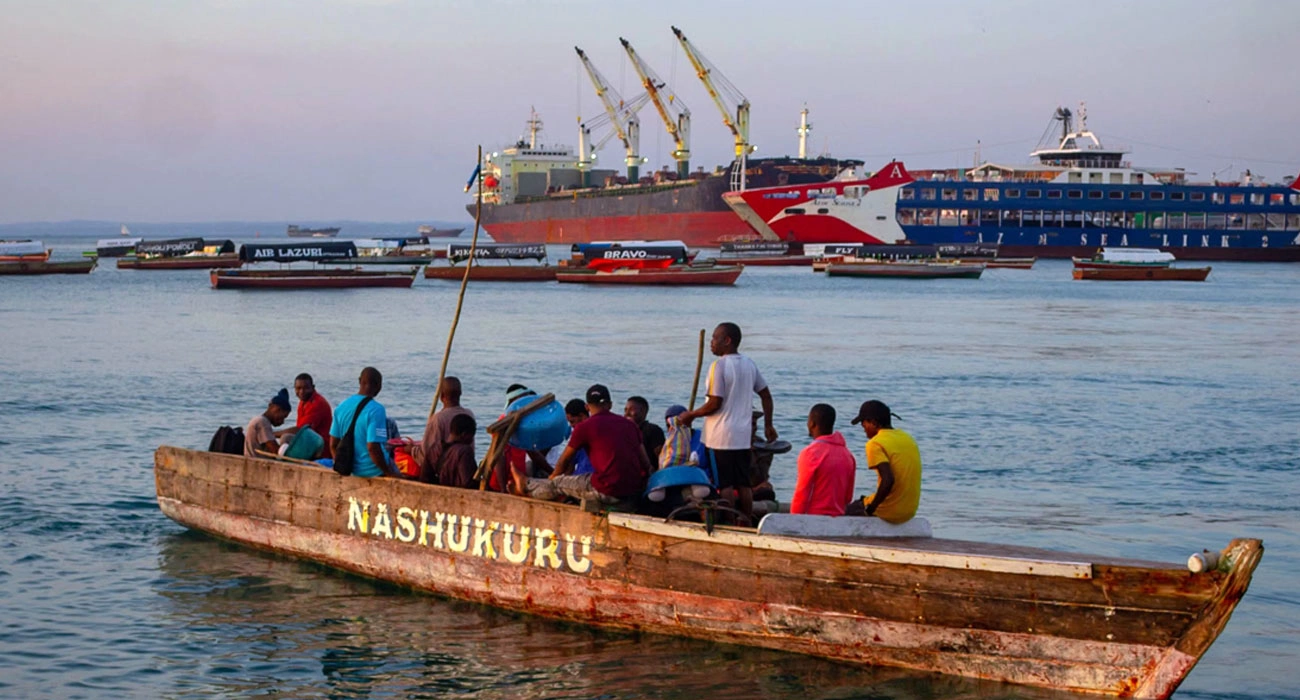
For centuries, global trade routes were dominated by a handful of established economic centers. Today, new infrastructure, digital payments, expanding ports, and regional trade agreements are changing the commercial geography of East Africa and the Indian Ocean. From Kenya and Tanzania to Rwanda and Ethiopia, a new generation of businesses is increasingly connected to regional and global markets.
A Region Between Major Markets
East Africa's strategic location plays a crucial role in global commerce, acting as a bridge between African markets and the Middle East and Asia. Countries like Kenya and Tanzania are not only pivotal for trade within Africa but also serve as key entry points for goods entering and exiting the continent. This geographical advantage is attracting investments and fostering economic growth that could reshape global trade dynamics.
The region's proximity to major shipping routes enhances its appeal for businesses looking to tap into diverse markets. As trade logistics improve, East Africa is poised to become a vital node in international supply chains, providing opportunities for local businesses to expand their reach while engaging with global partners.
Ports, Roads and Digital Infrastructure
The transformation of East Africa’s trade landscape is underpinned by significant investments in infrastructure. Modernized ports and upgraded road networks are facilitating the efficient movement of goods, reducing transit times and costs. Such improvements are essential for boosting trade volumes and enhancing regional connectivity, enabling businesses to thrive in a competitive environment.
In tandem with physical infrastructure, the rise of digital platforms is revolutionizing trade processes. Digital payment systems are making transactions faster and more secure, empowering businesses to engage in cross-border commerce with ease. This combination of physical and digital advancements is setting the stage for a robust trading environment in East Africa.
The Rise of Regional Business Networks
As businesses increasingly recognize the potential of regional markets, there is a notable shift towards collaboration beyond national borders. Companies in East Africa are forming networks that leverage shared resources and capabilities to enhance competitiveness. This cooperative spirit not only fosters innovation but also encourages knowledge sharing among businesses, creating a more dynamic economic ecosystem.
These regional networks are also vital for small and medium enterprises (SMEs) looking to scale their operations. By tapping into collective strengths, SMEs can access larger markets and find new opportunities for growth, contributing to a more integrated regional economy.
The next chapter of global trade may be written not only through established commercial capitals, but through emerging corridors where infrastructure, technology and entrepreneurship are meeting for the first time.— Economic Analyst
Facts & Insights
- East Africa's strategic position connects African markets with the Middle East and Asia.
- Digital payment systems are making regional commerce increasingly accessible.
- Infrastructure investment is changing how goods and businesses move across borders.
Digital Payments and the New African Consumer
The emergence of digital payment systems has been a game changer for the African consumer. With mobile money and online transaction platforms gaining traction, consumers in East Africa are now able to engage in e-commerce like never before. This accessibility is empowering a new generation of consumers who are ready to explore local and international markets, driving demand for a wider variety of products and services.
Moreover, as digital literacy increases, consumers are becoming more sophisticated in their purchasing decisions, seeking quality and convenience. This trend not only benefits consumers but also encourages local entrepreneurs to innovate and adapt their offerings to meet the evolving demands of a digitally savvy market.
3
Major Trade Regions Connected
100M+
Regional Consumers
1
Emerging Trade Corridor
∞
Cross-Border Opportunities
Can East Africa Become a New Trade Gateway?
The future of East Africa as a trade gateway hinges on addressing various challenges, including regulatory harmonization and infrastructure sustainability. As countries pursue integration, it is crucial to foster an environment that supports collaboration among governments, businesses, and consumers. This cooperative approach will be essential for unlocking the full potential of the region's trade corridors.
In conclusion, East Africa's evolving trade landscape presents an opportunity for the region to redefine its role in global commerce. With continued investment in infrastructure, technology, and regional cooperation, East Africa can position itself as a key player in the international market, paving the way for future economic growth.
Categories
Tagged in this story
Image sources
Pexels - Photo by Leonce Godfrey