
The New Age of Luxury Trains: Why Slow Travel Is Becoming the Ultimate Premium Experience
Written by Admin • 2026-08-04 00:46:00
Luxury train travel is experiencing a renaissance as affluent travelers prioritize immersive experiences over speed. With a focus on slow travel, luxury trains like the Venice Simplon-Orient-Express are redefining the notion of premium tourism by providing breathtaking scenery and exceptional hospitality, making the journey itself a key part of the adventure.
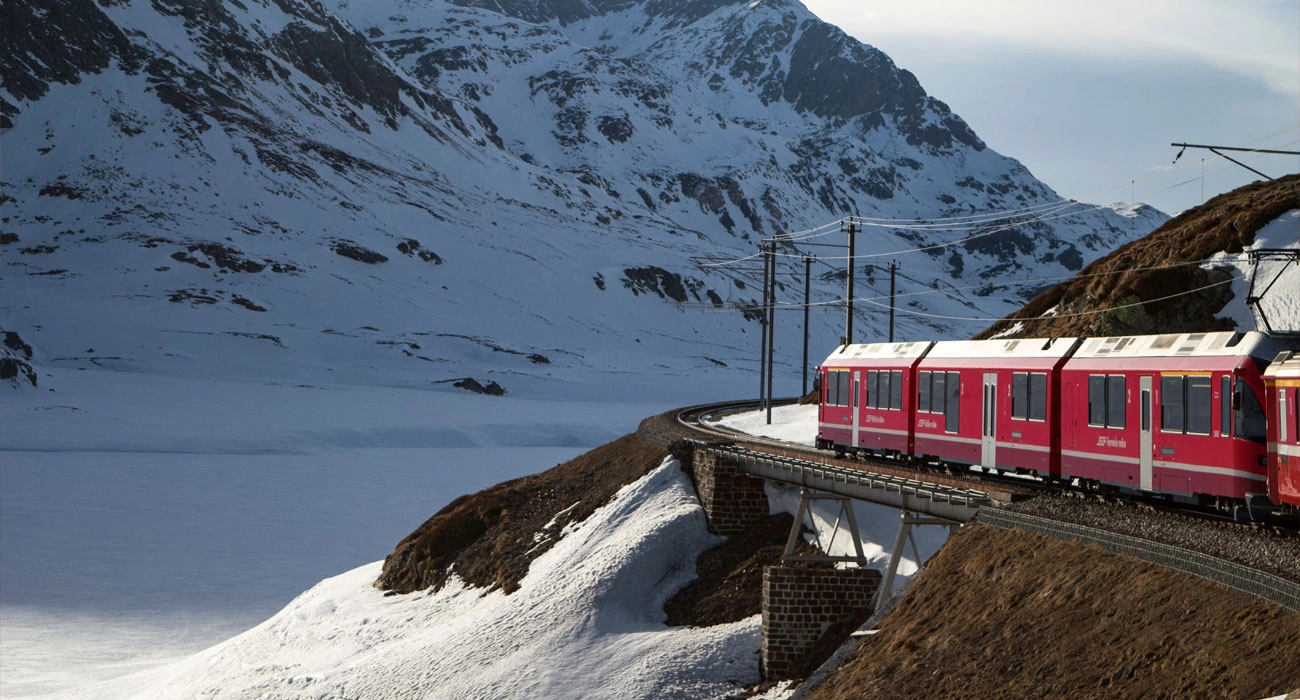
The New Age of Luxury Trains
Why Slow Travel Is Becoming the Ultimate Premium Experience
Rediscovering the Elegance of Slow Travel
For decades, luxury travel was defined by first-class flights and five-star accommodations. Yet today, a growing number of affluent travelers are choosing a different path: the elegance of slow travel. Luxury trains offer a unique blend of breathtaking scenery, exceptional hospitality, and timeless design, transforming the journey into an experience as memorable as the destination itself. Instead of rushing from one city to another, passengers relish the adventure of travel, immersing themselves in the beauty of their surroundings.
As experiential tourism continues to gain traction, luxury rail travel is emerging as a beacon for those seeking meaningful journeys. Premium services like the Venice Simplon-Orient-Express and Belmond’s luxury trains are not just about transportation; they provide an opportunity to savor each moment, turning travel into an art form. The focus has shifted from speed to the overall experience, allowing travelers to connect with the culture and history of the regions they traverse.
The Renaissance of Luxury Rail Journeys
The global luxury travel market is experiencing a significant shift toward experience-driven tourism. Premium rail operators are expanding their routes and introducing modern sleeper experiences, ensuring that luxury train travel remains relevant in an ever-evolving industry. These journeys emphasize immersive experiences, offering fine dining, heritage, and breathtaking landscapes that appeal to discerning travelers. As a sustainable alternative to short-haul flights, luxury trains are redefining the future of tourism.
Historic rail routes have become symbols of experiential tourism and cultural exploration, captivating travelers seeking unique adventures. These trains allow passengers to step back in time, enjoying the charm of vintage carriages while indulging in modern comforts. By supporting heritage preservation, luxury rail tourism encourages sustainable forms of long-distance travel, demonstrating a commitment to both cultural richness and environmental responsibility.
Luxury is no longer about arriving first—it is about enjoying every moment of the journey.— Anonymous
Facts & Insights
- Luxury train travel emphasizes immersive experiences, combining fine dining, heritage, and scenic landscapes.
- Modern premium rail services attract travelers seeking sustainable alternatives to short-haul flights.
- Historic rail routes have become symbols of experiential tourism and cultural exploration.
The Journey as the Destination
Luxury train travel reminds us that unforgettable journeys are defined not by speed, but by the experiences collected along the way. Each stop along a scenic rail journey offers a chance to explore new cultures, indulge in gourmet cuisine, and engage with fellow travelers who share a passion for discovery. This focus on the journey enhances the overall travel experience, making it more enriching and fulfilling than simply reaching a destination.
In this new age of luxury trains, the emphasis on slow travel aligns perfectly with the desires of modern travelers. As they seek authenticity and connection, luxury rail journeys provide a unique narrative that goes beyond mere transportation. With each passing mile, passengers create cherished memories while supporting sustainable tourism practices that benefit society and the environment.
Categories
Tagged in this story
Image sources
Pexels - Photo by Oleksandr Lutsenko