
The New Attention Economy: How Streaming Changed Modern Viewing Habits
Written by Admin • 2026-05-28 02:00:00
Topics
The digital revolution has drastically changed how audiences consume entertainment, leading to shorter attention spans and increased distraction. As streaming platforms thrive in the attention economy, experts are concerned about the long-term effects on focus and mental health.
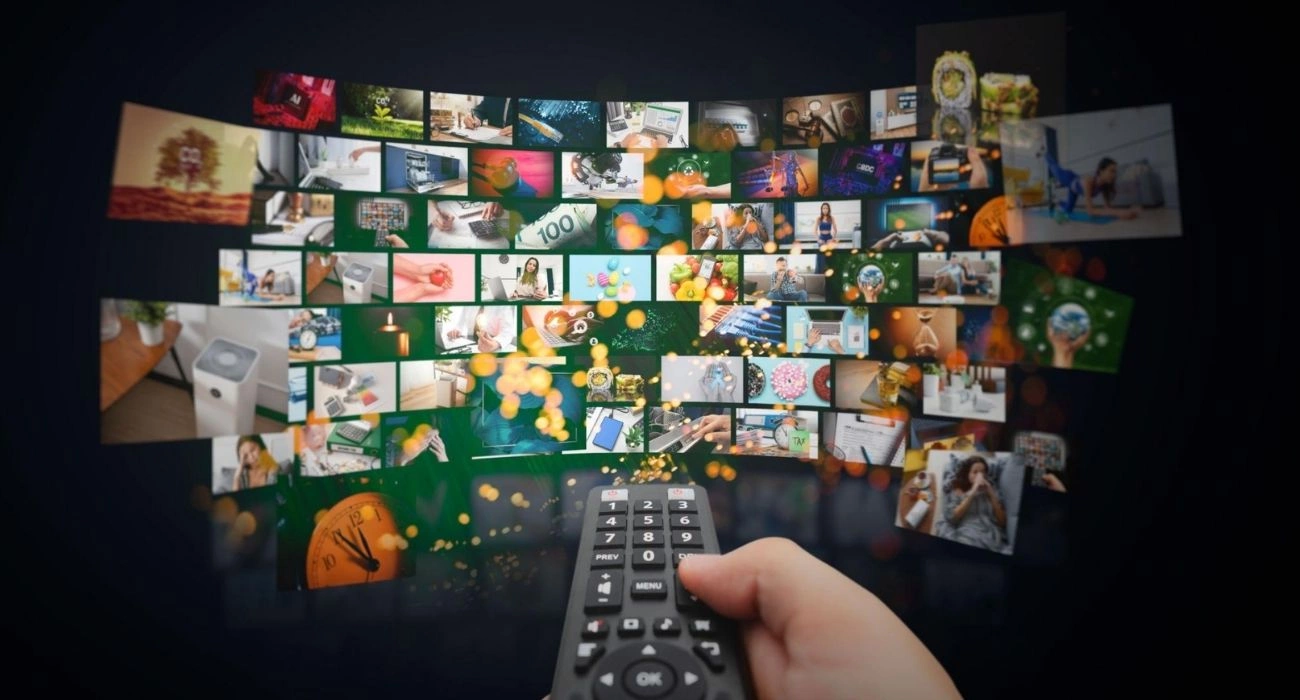
Why Modern Audiences Can’t Focus Like They Used To
Exploring the impact of digital entertainment on human attention spans.
The Rise of Instant Entertainment
Streaming platforms have transformed the landscape of entertainment, allowing audiences to access a vast library of movies, series, and music with just a tap. This convenience has replaced the need for patience and anticipation that previous generations experienced. However, as content becomes increasingly abundant and readily available, the implications for how we consume media are profound. With the advent of binge culture and autoplay features, individuals are exposed to a relentless stream of content that challenges their ability to concentrate.
Psychologists and media experts are raising alarms about the potential long-term effects of this shift. The ease of accessing entertainment has led to concerns about reduced concentration spans, digital overstimulation, and addiction to algorithmically curated content. The prevalence of short-form media, such as TikTok videos, has further exacerbated this issue, creating a culture where rapid content consumption is the norm, and deep engagement is increasingly rare.
Navigating the Attention Economy
In what many analysts refer to as the 'attention economy,' platforms like Netflix, TikTok, and YouTube compete fiercely to capture and retain user engagement. This competition drives them to optimize content not just for storytelling quality, but for maximum engagement and behavioral retention. Recent reports from reputable sources, including BBC and The New York Times, highlight the mounting concerns regarding this trend and its implications for society.
The focus on maximizing user retention often leads to a cycle of digital overstimulation. As users navigate infinite feeds of content designed to captivate their attention, they may find it increasingly difficult to concentrate on tasks that require sustained focus. This phenomenon is particularly concerning for younger generations who are growing up in environments saturated with constant stimulation and fragmented attention patterns.
The ability to focus is a superpower.— Cal Newport
Societal Impact and Future Considerations
The ramifications of reduced attention spans extend beyond entertainment; they influence education, productivity, and mental health. As awareness grows around these issues, educators and creators are beginning to contemplate what responsible digital consumption should look like. The challenge lies in finding a balance between engagement and user well-being. Companies that prioritize healthier digital experiences might emerge as leaders in the next wave of business innovation in the digital landscape.
Encouraging discussions about mental health and focus, as well as promoting ethical approaches to technology and platform design, will be vital in addressing these challenges. As the conversation evolves, it is essential for all stakeholders—including creators, educators, and technology leaders—to work collaboratively towards fostering healthier consumption habits that can help mitigate the negative impacts of our rapidly changing digital environment.
Facts & Insights
- Short-form video consumption continues rapidly increasing worldwide.
- Autoplay and recommendation algorithms are designed to maximize user retention.
- Attention span concerns are increasingly discussed in psychology and education sectors.
80%
Increase in short-form video consumption in the last year
60%
Percentage of users reporting difficulty focusing due to digital overstimulation
Categories
Tagged in this story
Image sources
www.pexels.com