
The New Eco-Tourism Model: When Protecting Nature Becomes Part of the Travel Experience
Written by Admin • 2026-09-23 01:15:00
A new generation of tourism projects is redefining travel around conservation, community impact, accessibility and the question of what tourism leaves behind. This article explores how sustainable tourism is evolving through conservation initiatives and community leadership.
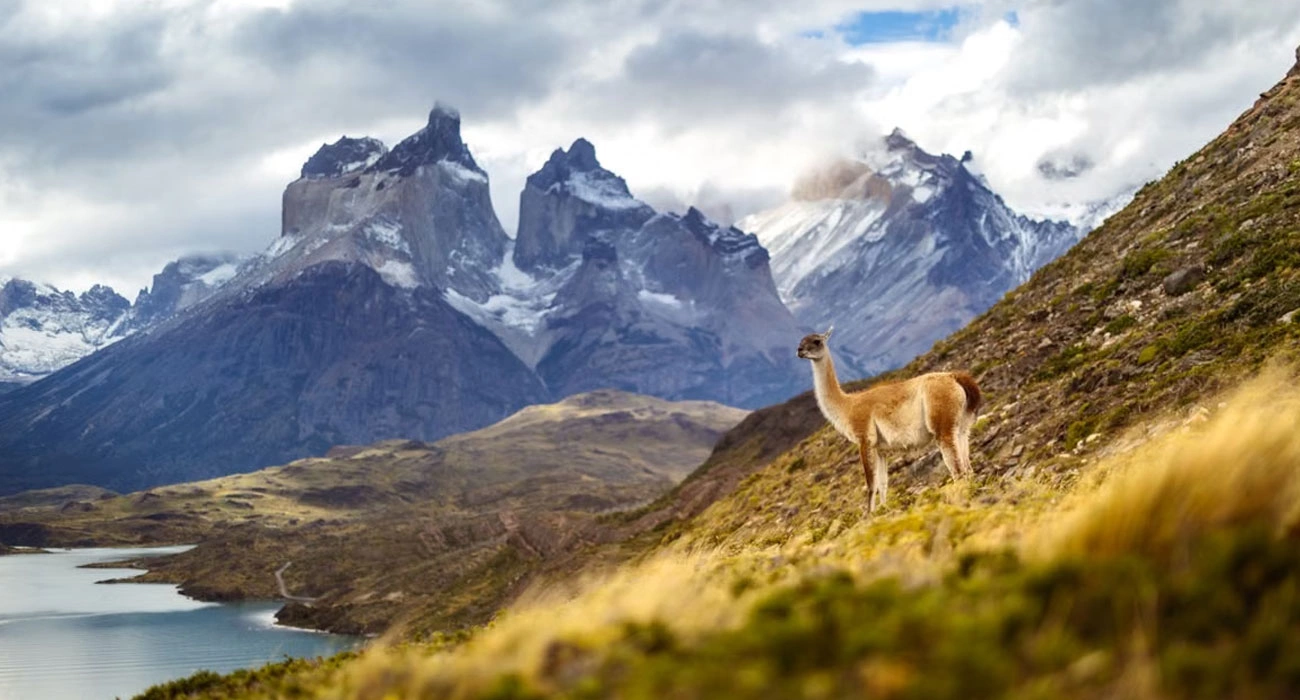
The New Eco-Tourism Model: When Protecting Nature Becomes Part of the Travel Experience
A new generation of tourism projects is redefining travel around conservation, community impact, accessibility and the question of what tourism leaves behind.
From Sustainable Travel to Regenerative Travel
Travel has traditionally been measured by what visitors take away: photographs, memories, and experiences. However, a new wave of tourism projects is shifting this paradigm, focusing on what travel can leave behind. This movement emphasizes regenerative travel, which aims to restore and enhance the environments and communities that tourism touches. As travelers become more conscientious, the demand for experiences that contribute positively to local ecosystems and cultures is growing, leading to a transformative approach to tourism.
Initiatives that highlight regenerative tourism are emerging around the globe, from wildlife corridors in South America to community-led ventures in Uganda. These projects not only create unique travel experiences but also actively contribute to the preservation of nature and culture, ensuring that tourism becomes a force for good, rather than merely a commercial endeavor.
Tourism as Conservation Infrastructure
Today's tourism is increasingly viewed as a vital component of conservation infrastructure. Projects like the Jaguar Rivers Initiative, which spans a colossal 965,000 square miles in South America, exemplify this shift. With approximately $42 million raised in its first year, this initiative seeks to develop a cross-border wildlife corridor that enhances biodiversity while promoting sustainable travel. Such projects illustrate how tourism can be structured to support ecological health and conservation efforts.
By integrating tourism into conservation strategies, operators can create a sustainable model that supports both travelers and local ecosystems. This approach underscores the idea that responsible travel is not just a marketing strategy; it is becoming an integral part of what defines a travel experience.
When Local Communities Become the Hosts and Leaders
Empowering local communities to become leaders in tourism initiatives is a key aspect of the new eco-tourism model. Projects like SS Sign Language Tourism in Uganda, the first Deaf-led tourism company in the country, showcase how inclusive practices can reshape tourism landscapes. By giving local communities a voice and a stake in the tourism process, these initiatives help ensure that the benefits of travel are shared equitably.
This community-centric approach fosters cultural preservation and promotes local employment, allowing residents to engage meaningfully with travelers. When communities are involved in shaping their tourism narratives, it creates authentic experiences that resonate with visitors while contributing to the social fabric of the region.
Accessibility as Part of the Travel Product
Accessibility is increasingly recognized as a crucial aspect of the travel product, ensuring that everyone can participate in and benefit from tourism. The new model promotes inclusive designs and services that cater to diverse abilities, making travel experiences more equitable. Initiatives that focus on accessibility not only enhance the travel experience for individuals with disabilities but also broaden the potential customer base for tourism operators.
By incorporating accessibility as a core component of their offerings, tourism businesses can create a more welcoming environment for all travelers. This shift towards inclusivity reflects a growing understanding that travel should be a right, not a privilege, and that every journey has the potential to enrich lives.
Facts & Insights
- Condé Nast Traveler received 200+ submissions from every continent for its 2026 Bright Ideas in Travel programme and selected 25 winners.
- The Jaguar Rivers Initiative covers a 965,000-square-mile wildlife corridor across the Paraná Basin.
- The initiative had raised approximately $42 million during its first year to support its conservation work.
25
Global Winners
200+
Submissions
965K
Square Miles: Wildlife Corridor
$42M
Raised
The most meaningful journeys may be measured by what they help preserve.— Editorial framing
Jaguar / South American wildlife
The Journey That Gives Something Back
The next generation of sustainable tourism may be defined less by how little damage a traveler causes and more by how much positive value a journey can create. Wildlife protection, community employment, accessibility, and cultural preservation can become part of the tourism experience rather than separate initiatives operating alongside it. The examples emerging across continents suggest that travel can function as an economic mechanism for protecting places instead of simply consuming them.
BritishPEDIA's Showcase can document this transition because it reflects a larger change in the meaning of success — from simply attracting more visitors to creating experiences that leave destinations stronger than they found them.
Categories
Tagged in this story
Image sources
Pexels - Photo by Marek Piwnicki