
The New Economics of Forest Restoration: Why Restoring Nature Is Becoming an Investment Story
Written by Admin • 2026-09-30 01:36:00
Topics
Forest restoration is becoming more than an environmental ambition. With potentially trillions of dollars in annual benefits, restoring forests is emerging as an economic strategy for resilience, biodiversity, and rural development.
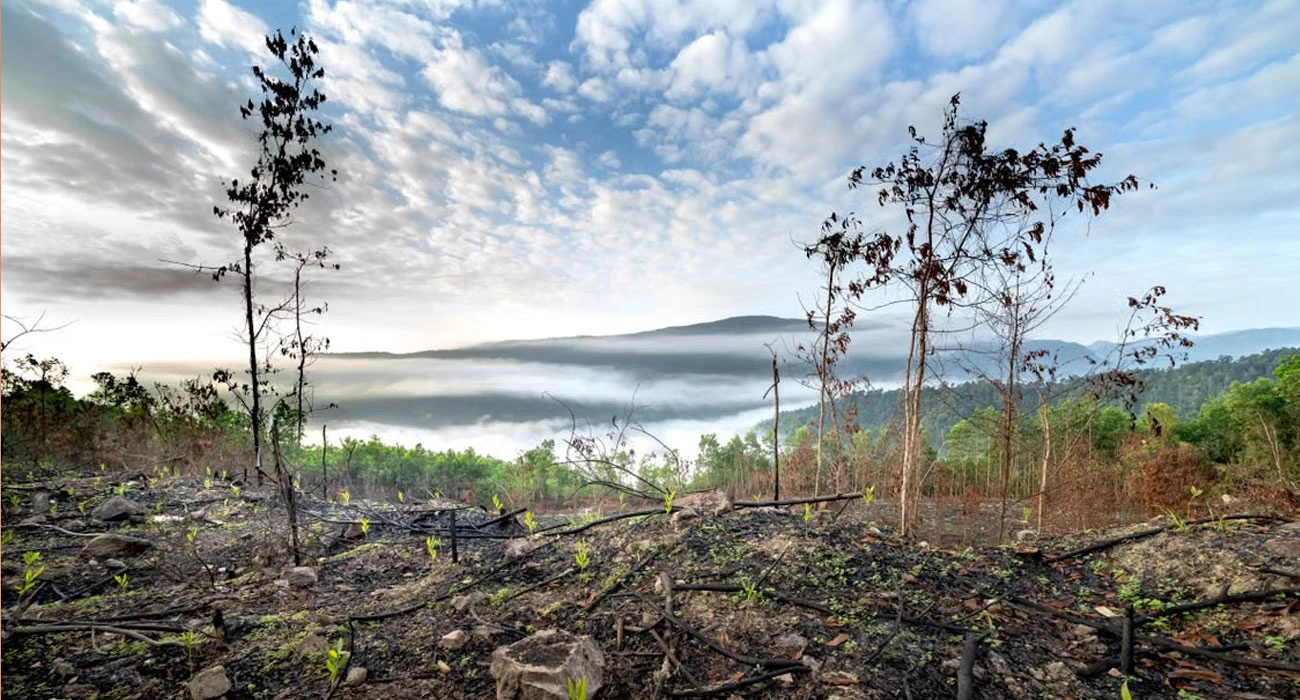
The New Economics of Forest Restoration
Why Restoring Nature Is Becoming an Investment Story
From Conservation Project to Economic Strategy
For decades, forest restoration was often discussed primarily as an environmental responsibility. That conversation is changing. Increasingly, restoring forests is also being considered an economic strategy — one capable of supporting biodiversity, agriculture, water systems, rural livelihoods, and climate resilience. As businesses and governments recognize the myriad benefits of healthy forests, the focus is shifting from merely preserving nature to actively investing in its restoration.
This shift towards viewing forest restoration as an economic strategy not only enhances environmental goals but also aligns with the global drive for sustainable development. With innovative financing models and partnerships, the restoration of forests can catalyze economic growth while fostering resilience against climate change.
The Scale of the Restoration Gap
A new UN-backed assessment highlights both the scale of the challenge and the economic opportunity. Since 1990, more than 489 million hectares of forest have been cleared, while restoration commitments now cover more than one billion hectares. Yet only around one-fifth of those pledged areas have actually undergone restoration. This alarming gap underscores the urgency of addressing forest loss and the potential that lies in restoration as an investment vehicle.
The emerging opportunity is substantial: FAO estimates that restoring one billion hectares could generate around $1.8 trillion in annual benefits. The question is increasingly shifting from whether forests matter economically to how restoration can be designed, financed, and delivered at scale. This requires collaboration among stakeholders from various sectors, including government, private investors, and local communities.
Forest restoration [is] a strategic investment essential for resilient agrifood systems and rural development.— FAO Director-General Qu Dongyu, as reported on the September 2026 FAO assessment.
What Forests Actually Produce for Economies
Forests are much more than just trees; they are vital ecosystems that provide numerous economic benefits. They support livelihoods through timber, non-timber forest products, and recreational opportunities. Additionally, forests play a critical role in carbon storage, thus contributing to climate resilience strategies. The restoration economy connects environmental protection with livelihoods, agriculture, biodiversity, and economic resilience, creating a holistic approach to sustainability.
Framing forests as productive natural infrastructure can help broaden the constituency supporting restoration beyond environmental organisations alone. This perspective emphasizes the importance of integrating forest restoration into economic planning and decision-making, ultimately leading to a more sustainable and profitable future.
Facts & Insights
- More than 489 million hectares of forest have been cleared globally since 1990, according to the September 2026 UN/FAO assessment.
- Global restoration pledges cover more than one billion hectares, but only around 20% has so far undergone actual restoration.
- FAO estimates that restoring one billion hectares could generate approximately $1.8 trillion in annual benefits through ecosystem and economic gains.
489M+
Ha Forest Cleared Since 1990
1B+
Ha Restoration Pledged
20%
Actually Restored
$1.8T
Potential Annual Benefits
Financing the Next Generation of Restoration
To realize the potential benefits of forest restoration, innovative financing mechanisms are essential. These can take the form of public-private partnerships, green bonds, and other financial instruments that attract investment into restoration projects. By aligning economic incentives with environmental goals, it is possible to create sustainable funding streams that support long-term restoration efforts.
As the global community increasingly recognizes the importance of forests, the financial sector plays a pivotal role in facilitating the transition towards a restoration economy. Investment in restoration not only addresses environmental issues but also enhances economic growth, creating a win-win scenario for both nature and society.
When Nature Becomes Infrastructure
The future of forest restoration may depend partly on changing the way society measures value. A forest is not simply a collection of trees waiting to be protected; it is infrastructure supporting water, agriculture, biodiversity, livelihoods, and climate resilience. As restoration moves toward larger financial and institutional commitments, the opportunity is to build economic models that reward long-term stewardship rather than short-term extraction.
The story of forest restoration therefore belongs not only to environmental reporting but also to the broader conversation about how economies can grow while rebuilding the natural systems on which they depend. BritishPEDIA's global editorial perspective is particularly suited to documenting this intersection between people, enterprise, sustainability, and long-term legacy.
Categories
Image sources
Pexels - Photo by Quang Nguyen Vinh