
The New Geography of Climate Risk: Why Extreme Weather Is Becoming a Business Problem
Written by Admin • 2026-09-01 01:30:00
Climate change is no longer only an environmental story. Extreme weather is increasingly becoming a financial variable that can affect revenue, supply chains, infrastructure and corporate strategy.
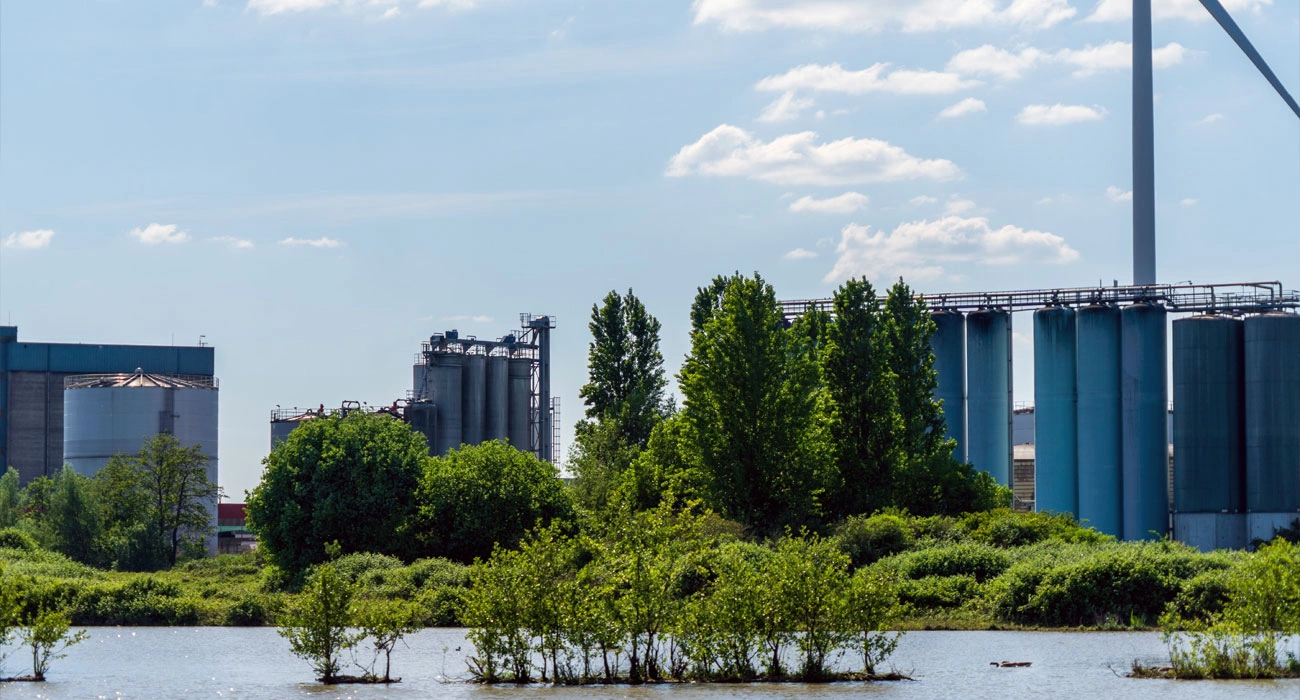
The New Geography of Climate Risk: Why Extreme Weather Is Becoming a Business Problem
Understanding the financial implications of climate volatility on global business.
Climate Risk Arrives on the Balance Sheet
For years, climate risk was often discussed as a distant possibility within corporate conversations, largely relegated to the realms of environmental, social, and governance (ESG) considerations. However, recent developments have highlighted that the impacts of extreme weather are becoming tangible and immediate. Companies are increasingly finding that climate risk directly affects their financial statements. For instance, mining operations can be severely disrupted by cyclones, leading to significant revenue losses. In fact, Rio Tinto reported an estimated $800 million shortfall due to such disruptions, a clear indication that weather-related risks have real economic consequences.
The consequences of climate-related disruptions extend beyond immediate financial losses. As companies begin to quantify these impacts, they are realizing that climate resilience must be integrated into their financial planning and investment strategies. This shift is prompting a reevaluation of how businesses approach risk management, with a growing emphasis on proactive adaptation measures to mitigate potential losses from future climate events.
The Hidden Cost of Extreme Weather
Extreme weather events can lead to hidden costs that significantly affect a company's bottom line. For example, logistics can be severely disrupted by floods or heatwaves, leading to increased shipping delays and costs. Additionally, companies may face higher insurance premiums as underwriters adjust their risk models in response to more frequent and severe weather events. Energy costs can also rise as demand surges during heatwaves, further squeezing profit margins.
Moreover, the productivity of employees can be impacted by extreme weather conditions. For instance, when heatwaves strike, worker efficiency can drop, leading to decreased output and, ultimately, lower revenues. Companies must recognize these multifaceted impacts of climate volatility and develop strategies to manage these risks more effectively.
Facts & Insights
- Extreme weather is already disrupting corporate operations and revenue across multiple industries.
- Rio Tinto reported an approximately $800M revenue shortfall linked to cyclone-related disruption to iron-ore shipments.
- MSCI research cited by the Financial Times indicates that around 11,000 major companies face more than $1T in annual lost revenue from extreme-weather exposure.
Supply Chains Are Especially Vulnerable
Supply chains are particularly susceptible to climate shocks due to their interconnected nature. When one segment of the supply chain is disrupted by extreme weather, it can create a cascading effect that impacts multiple businesses and sectors. For example, a single flood can halt production at a factory, leading to delays in delivery for retailers and increased costs for consumers. The fragility of these interconnected systems highlights the importance of building resilience at all levels of the supply chain.
As companies face increasing climate risks, there is a growing need to invest in supply chain adaptation strategies. This may include diversifying suppliers, investing in infrastructure improvements, and developing contingency plans to quickly respond to disruptions. By proactively addressing these vulnerabilities, businesses can better protect their operations and ensure continuity in the face of climate volatility.
$1T+
Potential Annual Revenue Exposure
11,000
Major Firms Exposed
$800M
One Reported Mining Impact
1.4°C
Current Warming Above Pre-Industrial Levels
The financial consequences of climate volatility are forcing businesses to rethink what resilience actually means.— Industry Expert
When Climate Risk Becomes Business Risk
The financial consequences of climate volatility are forcing businesses to rethink what resilience actually means. Preparing for extreme weather is no longer simply an environmental responsibility; it is increasingly a question of protecting revenue, infrastructure, employees, and long-term competitiveness. As climate disruption becomes more visible in corporate performance, the companies that invest in adaptation today may be the ones best positioned to navigate tomorrow's uncertainty.
Categories
Tagged in this story
Image sources
Pexels - Photo by Martijn Stoof