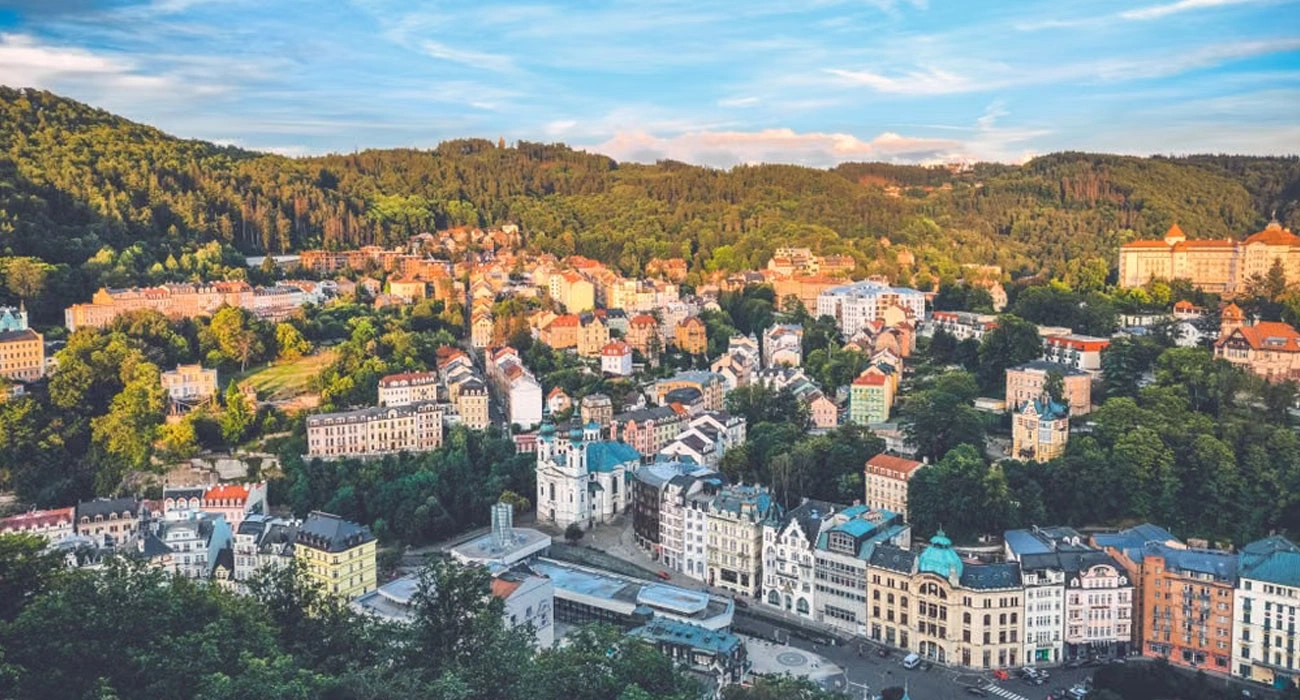
Exploring the rise of secondary destinations in global travel.
For decades, international tourism revolved around a familiar list of iconic cities like Paris, London, and New York. However, the global tourism landscape is evolving. As experienced travellers return to familiar countries, many are now seeking experiences beyond these major cities. The trend indicates a growing desire among tourists to explore lesser-known locales, smaller cities, and regional landscapes that offer unique cultural insights and opportunities for discovery.
This shift is not just a passing trend; it reflects a broader change in traveller behaviour. Recent findings from the Arabian Travel Market (ATM) 2026 reveal that 56% of surveyed travellers expressed increased interest in exploring new destinations compared to two years prior. This highlights a significant departure from traditional tourism patterns, as more people seek diverse experiences that go beyond the standard tourist offerings.
Repeat travellers often seek to deepen their understanding of a country rather than just check off iconic landmarks. After visiting major cities on their first trips, many are increasingly interested in uncovering the authentic experiences that secondary destinations provide. This desire to explore lesser-known areas is partly driven by a growing appreciation for local culture, cuisine, and traditions, which are often more pronounced outside of the bustling metropolitan hubs.
As travellers discover the charm of smaller towns and regions, they become more engaged with their surroundings, fostering a sense of connection with local communities. This shift not only enhances the travel experience but also aligns with a broader trend toward sustainable tourism, where tourists prioritize experiences that contribute positively to the destinations they visit.
The impact of this shift is evident in the latest tourism statistics. While global international tourism growth was a modest 0.4% in the first half of 2026, certain secondary destinations have experienced remarkable increases in visitor numbers. For instance, Moldova reported a 25% rise in international arrivals, illustrating the potential of places that were previously overlooked by mainstream tourism.
This trend is indicative of a more nuanced tourism economy, where the focus is not solely on major cities but also on places that offer unique experiences and rich cultural narratives. As travellers become more discerning, secondary destinations are being recognized for their ability to provide authentic and memorable experiences, further enhancing their attractiveness as travel options.
Facts & Insights
- Global international tourism grew by 0.4% in the first half of 2026, according to the latest UN Tourism data.
- Europe recorded approximately 350 million international tourist arrivals between January and June 2026, representing 3% growth.
- Research presented at Arabian Travel Market found that 56% of surveyed travellers were more interested in exploring new destinations than two years earlier.
“
”
The next great destination may be the place travellers overlooked the first time.
— Editorial framing
To capitalize on this trend, tourism marketing strategies must evolve. Destinations need to reframe their narratives to highlight not only their famous landmarks but also the hidden gems that offer depth and authenticity. Marketing efforts should focus on storytelling that emphasizes local culture, community engagement, and unique experiences that can only be found in these secondary cities.
By showcasing the unique attributes of these destinations, such as local artisans, regional cuisines, and natural landscapes, tourism boards can attract a new wave of travellers who are eager to explore beyond the conventional tourist map. This shift not only benefits the destinations but also encourages sustainable tourism practices that foster economic growth and cultural preservation.
The movement toward secondary destinations does not diminish the relevance of the world's great cities. Instead, it indicates that travellers are becoming more layered in their explorations. The first trip may still focus on iconic landmarks, while subsequent visits can center on discovering the authentic stories and experiences that define a country's culture.
For smaller destinations, this evolving trend presents opportunities to compete through authenticity and specialized experiences rather than sheer scale. BritishPEDIA's Showcase can document this changing tourism map, as the value of a destination increasingly lies not only in its famous attractions but also in the rich stories and vibrant communities that thrive beyond them.