
The Next Generation of Food Innovation Is Coming From Young Entrepreneurs
Written by Admin • 2026-10-01 01:24:00
Topics
From Kenya to Grenada, young entrepreneurs are developing new approaches to food and agriculture, showing how innovation can emerge directly from communities facing some of the world's most difficult conditions.
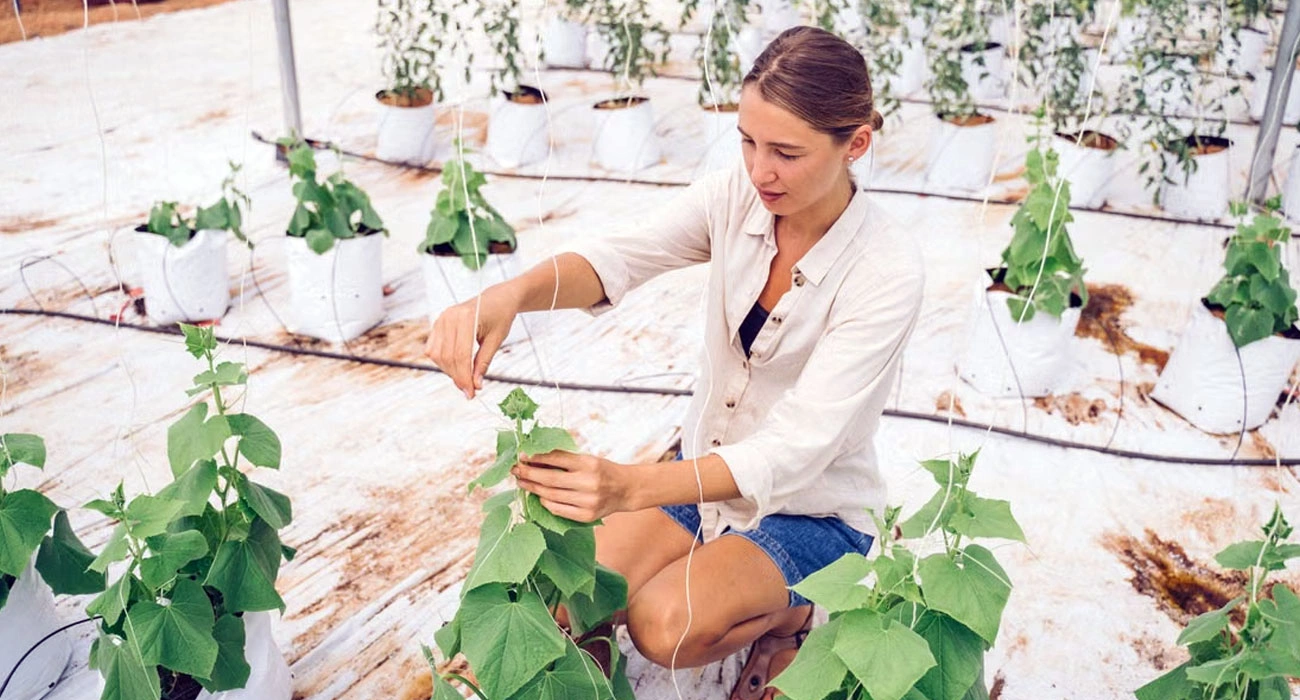
The Next Generation of Food Innovation Is Coming From Young Entrepreneurs
How young minds are reshaping global food systems
Why Young Entrepreneurs Matter to Food Systems
Some of the world's most interesting food-system ideas are not emerging from giant agricultural corporations. They are coming from young entrepreneurs working close to the communities most exposed to climate, food-security, and resource challenges. This new wave of innovators is reshaping how we think about food production, distribution, and sustainability, particularly in vulnerable regions such as Small Island Developing States (SIDS). These young leaders bring fresh perspectives, creativity, and a keen understanding of their local contexts, making them uniquely qualified to address pressing agricultural issues.
The 2026 Global AgriInno Challenge brought together youth-led initiatives from across the world, with a particular focus on resilient agrifood systems in SIDS. The competition attracted 191 applications and selected 13 finalists. By focusing on local innovation, these young entrepreneurs are not only addressing food security but also fostering economic growth and community resilience, proving that the future of agriculture lies in the hands of the youth.
Innovation Where Vulnerability Is Highest
The 2026 Global AgriInno Challenge focused specifically on the vulnerabilities faced by SIDS, including climate impacts, food insecurity, geographic isolation, and limited access to innovation ecosystems. This challenge highlighted the urgent need for localized solutions that can adapt to the unique circumstances of island communities. Thirteen finalist teams were selected from 191 applications, showcasing the diverse range of innovative ideas and approaches being developed by youth around the world.
The three winners of the challenge—AgriKonnekt from Kenya, Berikanpreneur from Indonesia, and The C-SAC Caribbean Pilot from Grenada—demonstrate the breadth of the challenge. Their projects focus on connecting farmers with markets and finance, strengthening local agricultural systems, and developing solutions uniquely suited to vulnerable island communities. These initiatives exemplify how young entrepreneurs can make a significant impact in addressing food security challenges, particularly in regions most affected by climate change.
From Kenya to Grenada
The winning projects illustrate that innovative solutions can emerge from the most challenging environments. For instance, AgriKonnekt is creating digital platforms that link farmers directly to consumers, thus ensuring better prices and reducing food waste. Meanwhile, Berikanpreneur is focused on sustainable practices that enhance food security while respecting local ecosystems. The C-SAC Caribbean Pilot emphasizes community collaboration to establish food systems that are resilient and adaptable to climate impacts. These projects showcase the potential of youth-led initiatives to transform agricultural landscapes.
By prioritizing local knowledge and sustainable practices, these young entrepreneurs are crafting solutions that not only address immediate food security concerns but also contribute to long-term agricultural resilience. This approach is vital in the context of the climate crisis, where traditional methods may no longer suffice. Their work exemplifies a paradigm shift towards a more inclusive and sustainable agricultural future.
Facts & Insights
- The 2026 Global AgriInno Challenge received 191 applications, with 13 youth-led teams advancing to the final stage.
- The 2026 edition introduced a dedicated Small Island Developing States track focused on climate vulnerability, food security and limited innovation ecosystems.
- The three winning initiatives came from Kenya, Indonesia and Grenada.
Accelerating Innovation for Resilient Agrifood Systems in Small Island Developing States.— FAO Global AgriInno Challenge 2026 theme.
What the Next Generation Can Change
Youth-led agrifood entrepreneurship can connect local knowledge with new business models, technologies, community networks, and financing opportunities. It demonstrates that agricultural innovation is not limited to major corporations or research institutions. This generation of entrepreneurs is proving that meaningful change often starts at the grassroots level, where local challenges are best understood and addressed.
Agrifood innovation is often associated with laboratories, large companies, and sophisticated machinery, but the Global AgriInno Challenge offers another perspective. Some of the most relevant ideas emerge when young entrepreneurs work closely with farmers, communities, and local markets where problems are experienced every day. Their solutions may differ dramatically from one geography to another, yet they share a common principle: innovation becomes meaningful when it responds to real conditions.
Categories
Tagged in this story
Image sources
Pexels - Photo by Anna Tarazevich