
The Ocean Is Becoming the Next Frontier for Climate Innovation
Written by Admin • 2026-08-24 01:40:00
The next frontier of climate innovation may not be on land. Around the world, scientists and entrepreneurs are looking to the ocean for new solutions. This article explores the potential of ocean technology and the blue economy in addressing environmental challenges.
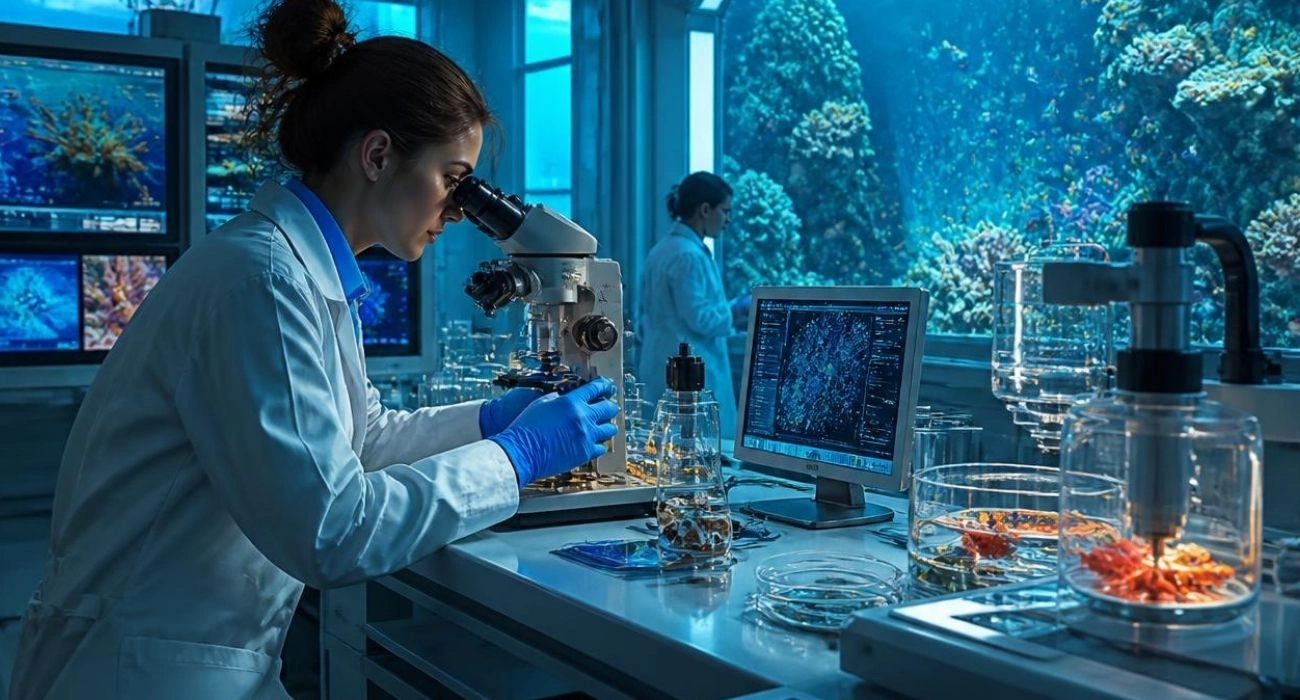
The Ocean Is Becoming the Next Frontier for Climate Innovation
Exploring the role of oceans in tackling environmental challenges.
Why the Ocean Matters to the Climate
For centuries, the ocean has served as a vital component in regulating the Earth's climate system. It absorbs a significant portion of the atmospheric carbon dioxide and heat, acting as a buffer against climate change. Oceans not only moderate temperatures but also support diverse ecosystems that are crucial for biodiversity. However, as human activities continue to impact the marine environment, the ocean's ability to perform these functions is increasingly threatened. Understanding and preserving this delicate balance is essential for mitigating the effects of climate change and ensuring the sustainability of marine resources.
Recent studies indicate that the health of the ocean is directly linked to global climate stability. As sea levels rise and temperatures fluctuate, the impact on marine life becomes more pronounced, affecting everything from fish populations to coral reefs. The ocean plays a pivotal role in the carbon cycle, making its health integral to the fight against climate change. Therefore, exploring innovative solutions that harness the ocean's potential while preserving its integrity is paramount.
The New Generation of Ocean Technology
The advent of advanced technologies such as sensors, robotics, satellites, and artificial intelligence (AI) is revolutionizing marine research. These tools allow scientists to collect and analyze data about ocean health and biodiversity with unprecedented accuracy. For example, AI algorithms can process vast amounts of data from underwater drones to identify changes in marine ecosystems, enabling quicker responses to environmental threats. This technological transformation is critical for understanding the complex interactions within marine environments and can facilitate more effective conservation strategies.
Furthermore, the integration of technology in ocean exploration is opening new avenues for innovation and economic growth. Entrepreneurs are developing applications that utilize real-time data to optimize fisheries management, monitor pollution levels, and assess the impact of climate change on marine habitats. As these technologies evolve, they not only enhance our capacity to study the ocean but also provide valuable insights for sustainable practices, helping to drive the emerging blue economy.
Offshore Energy and the Blue Economy
Renewable energy is rapidly expanding beyond terrestrial sources, with offshore wind and tidal energy becoming major players in the global energy landscape. Harnessing the power of the ocean not only contributes to energy diversification but also reduces reliance on fossil fuels, thereby lowering greenhouse gas emissions. The blue economy encompasses various sectors, including fishing, tourism, and marine biotechnology, which are increasingly recognizing the potential of sustainable practices powered by renewable energy.
As countries invest in offshore energy infrastructure, new job opportunities arise, fostering economic growth in coastal regions. This shift towards utilizing ocean resources sustainably highlights the need for a cohesive approach that integrates environmental stewardship with economic development. By prioritizing renewable energy projects, we can effectively address climate change while supporting local economies dependent on marine resources.
Can Marine Biotechnology Create New Industries?
Marine biotechnology holds immense potential for creating new industries by unlocking the secrets of ocean organisms. Algae, for example, can be cultivated for biofuels, food products, and pharmaceuticals, offering sustainable alternatives to traditional materials. This innovative approach not only addresses environmental challenges but also enhances food security and promotes economic resilience. As scientists explore the vast genetic diversity of marine life, the possibilities for bioproducts are expanding, paving the way for a new era of sustainable industries.
However, the commercialization of marine biotechnology must be approached with caution. Ethical considerations and environmental impacts must be prioritized to avoid damaging the ecosystems from which these resources are derived. Striking a balance between innovation and conservation will be crucial for ensuring that marine biotechnology contributes positively to both economic development and ecological sustainability.
The challenge will be finding a balance between discovering new possibilities beneath the surface and protecting the ecosystem that makes those possibilities possible.— Anonymous
Facts & Insights
- Oceans play a major role in regulating Earth's climate system.
- New technologies are making it easier to monitor and study marine environments.
- Offshore energy and marine biotechnology are creating emerging economic opportunities.
70%+
Earth's Surface Covered by Ocean
2B+
People Relying on Oceans for Livelihoods
100+
Countries With Coastal Economies
1
Blue Economy Frontier
Categories
Tagged in this story
Image sources
Canva