The Ratz Family: How Bydgoszcz’s River Heritage Lives Through Two Generations
Written by Admin • 2026-08-06 12:16:00
Topics
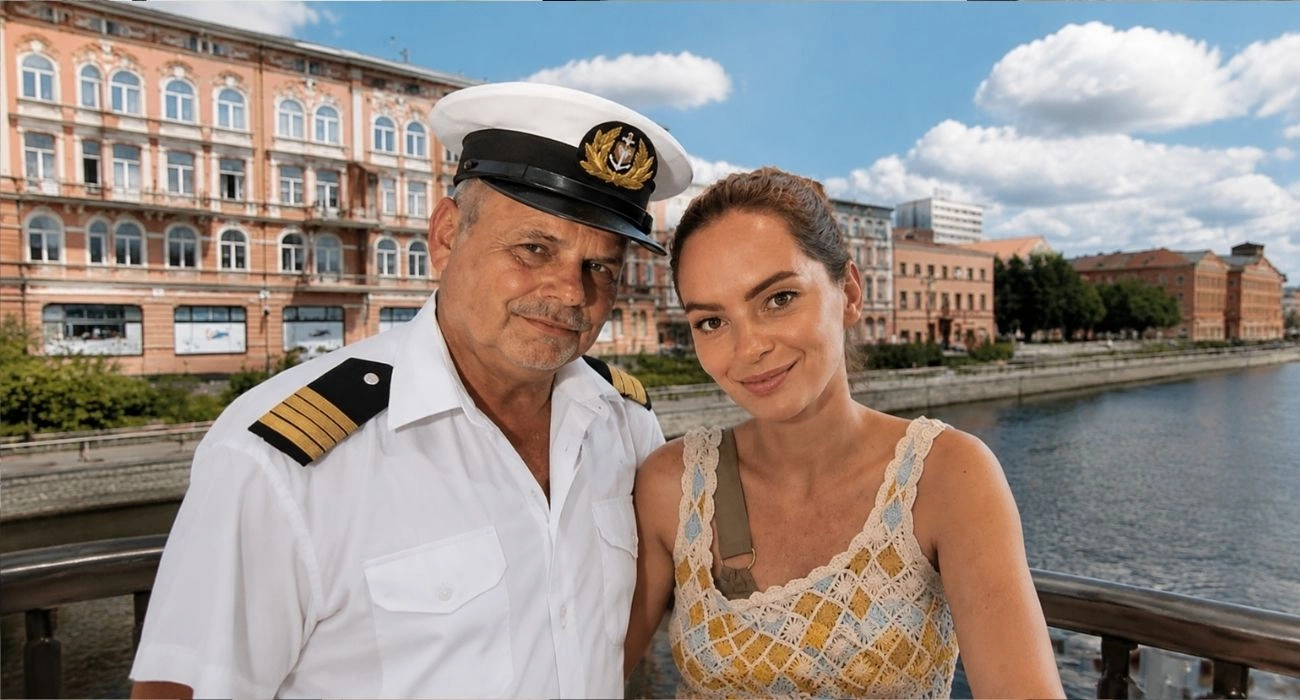
A River That Connects Generations, Memory, and New Beginnings
From traditional inland navigation to contemporary Italian hospitality, the Ratz family demonstrates how one place can inspire different generations to preserve and transform a city’s identity.
Bydgoszcz: A City Shaped by Water
The history of Bydgoszcz cannot be separated from its rivers. The Brda River and the Bydgoszcz Canal have shaped the rhythm of the city for centuries, supporting trade, transportation, industry, and the unique culture of people whose lives were connected with waterways.
Among the families whose stories became part of this river identity are the Ratz family—a family whose history has been closely linked with inland navigation for generations.
Today, two generations represent two different but complementary ways of connecting with Bydgoszcz. Jerzy Ratz preserves the memory of traditional river life, while his daughter Marta creates a modern riverside experience inspired by Italian culture.
Although their paths are different, they share the same belief: places have stories, and preserving those stories gives cities a stronger identity.
Jerzy Ratz: A Life Shaped by the River
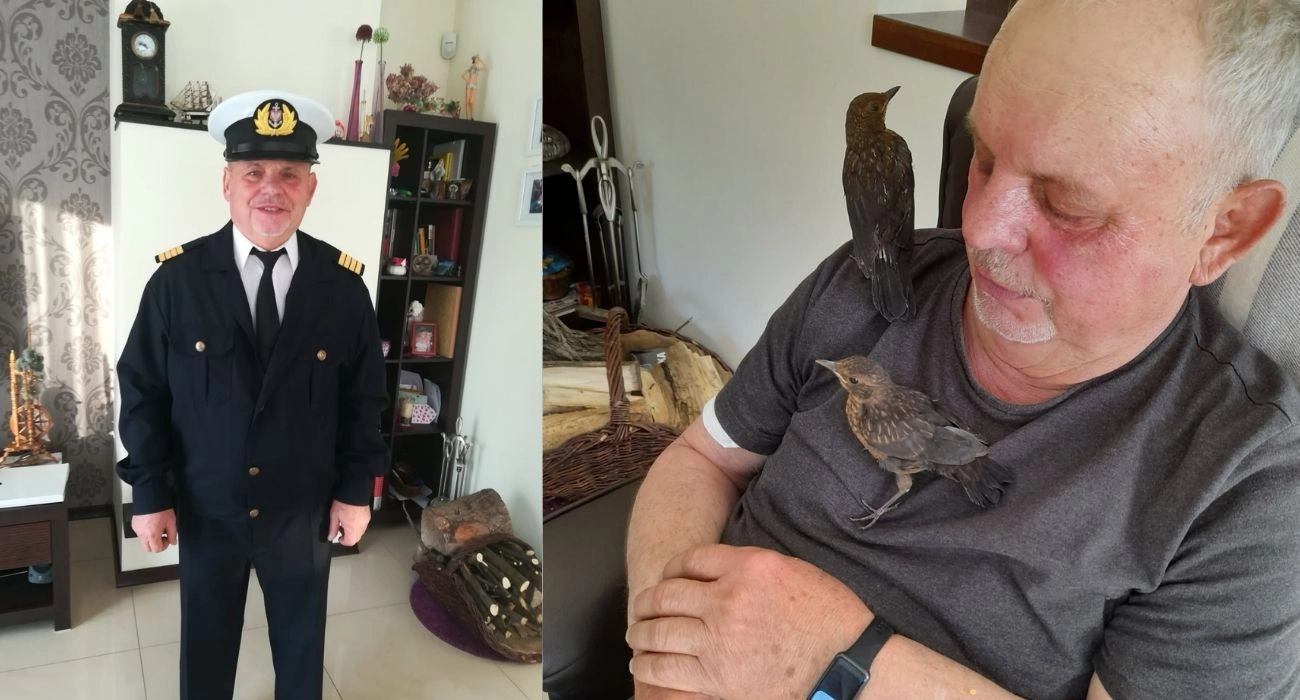
Born in Bydgoszcz in 1952, Jerzy Ratz grew up in a family where river traditions were passed from one generation to another. His father, Wiktor, was an inland navigation captain, while his grandfather, Roman Ratz, worked as a boatman on the Bydgoszcz–Gdańsk route during the German occupation.
These family experiences influenced Jerzy’s professional path. In 1969, he began training as a mechanic and soon started working alongside his father on the BM-5283 barge, operating on the important Gliwice–Świnoujście water route.
This period became the beginning of a long career connected with Poland’s inland waterways. Working with Żegluga Bydgoska, Jerzy developed his technical expertise, gained professional qualifications, and navigated routes across Poland, Germany, and the Benelux countries.
Over time, he achieved the highest qualifications in inland navigation, becoming a first-class captain and building decades of practical knowledge about life on European waterways.
From River Professional to Entrepreneur
In 1996, Jerzy Ratz founded Wod-Trans together with a fellow boat captain. The company specialized in water transportation and operated its own barges adapted for European waterways.
The company remained active until 2015, representing an important chapter in Jerzy’s professional journey. However, his most meaningful contribution came later—not from transporting goods, but from preserving the memory of the people who built their lives around rivers.
For Jerzy, river heritage is not simply about vessels or transportation systems. It represents the stories of generations of workers whose efforts contributed to the economic and cultural development of Bydgoszcz.
Barka Lemara: A Floating Story of Bydgoszcz
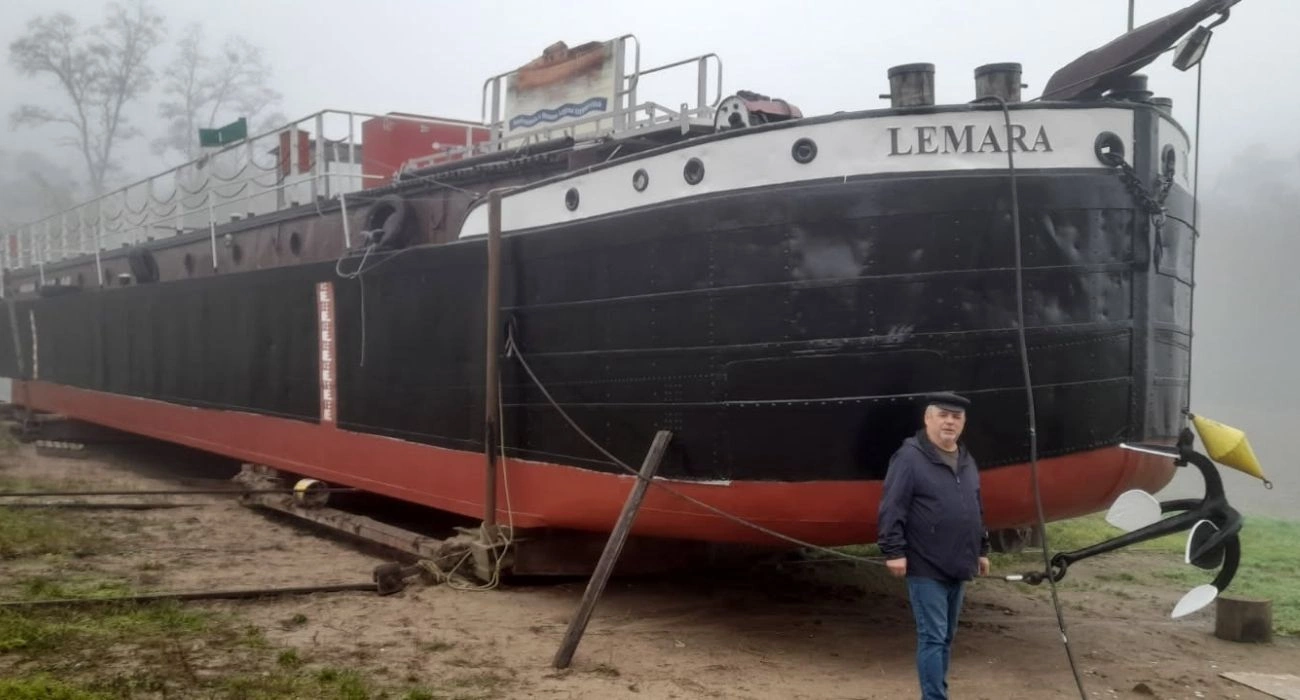
The most powerful symbol of Jerzy Ratz’s mission became Barka Lemara, a historic vessel that today serves as a reminder of Bydgoszcz’s relationship with inland navigation.
Built in 1937 at the Lloyd Bydgoski Shipyard and Mechanical Works, Barka Lemara was originally a cargo barge known as a “finówka.” For decades, it served commercial river transportation before facing the possibility of being abandoned and dismantled.
After years of difficult history and inactivity, the vessel was rescued, restored, and returned to Bydgoszcz, where it became one of the city’s most unique cultural spaces.
For Jerzy Ratz, Barka Lemara represents much more than an old boat. It symbolizes the lives, traditions, and memories of river communities that shaped the region.
Barka Lemara: A Living Museum Where History Meets the Present
Under Jerzy Ratz’s care, Barka Lemara became more than a preserved historical vessel. It transformed into a cultural space where the memory of river communities could be shared with new generations.
Inside the barge, Jerzy created a private collection dedicated to inland navigation, including ship lamps, vessel models, and objects connected with everyday life on the water.
Through educational meetings, lectures, and cultural events, Barka Lemara became a place where visitors can understand the human stories behind Bydgoszcz’s waterways, not only the technical history of transportation.
Today, the vessel represents a bridge between past and present. It allows the city’s river heritage to remain alive, turning history from something preserved in books into something experienced directly by the community.
Marta Ratz: From Cultural Projects to Italian Hospitality
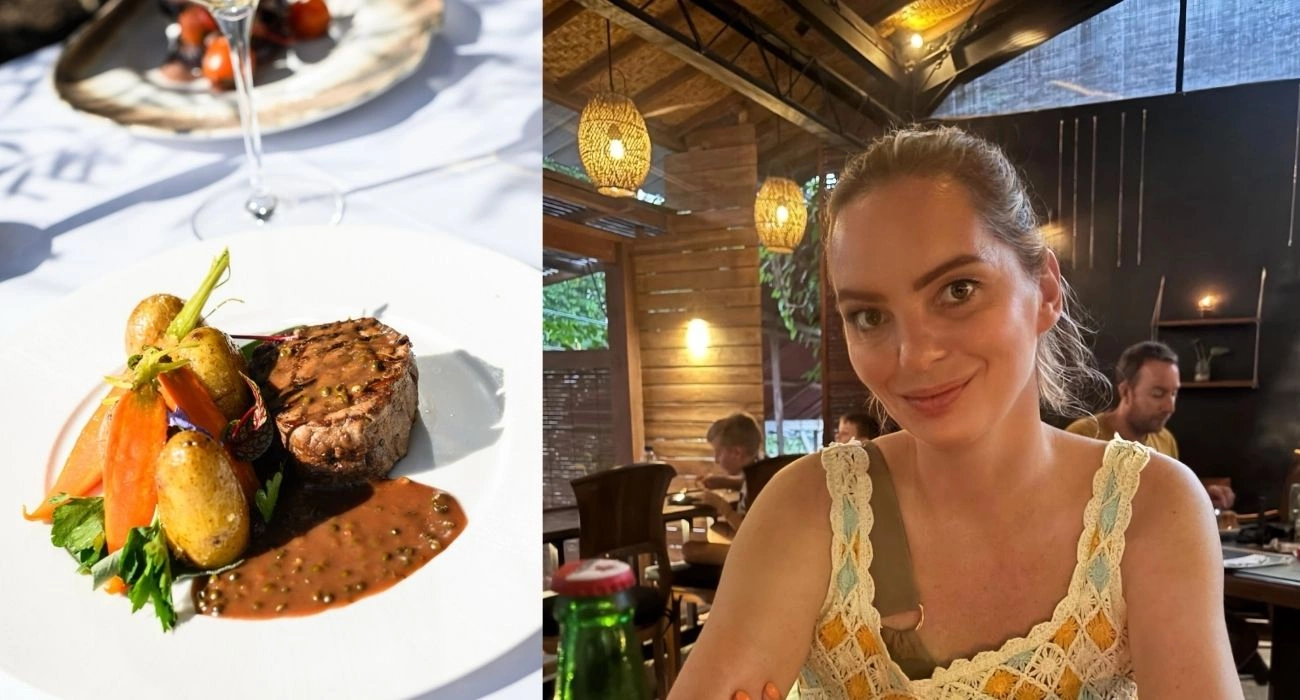
Like her father, Marta Ratz developed a strong connection with Bydgoszcz’s riverside spaces. Her professional journey began in the cultural sector, where she worked with the Municipal Cultural Centre in Bydgoszcz, including projects connected with Barka Lemara.
Working from the perspective of the river, Marta gradually recognized the potential of the historic location at Stary Port 5. What began as an observation of the city’s landscape eventually became the foundation for her own creative business idea.
Her later experience in the corporate environment strengthened her skills in team management, process development, and project execution. By combining cultural understanding with business knowledge, Marta created a concept that connected hospitality with place identity.
This vision became Corso Ristorante Italiano—a restaurant inspired by Italian lifestyle while remaining deeply connected to the character of Bydgoszcz.
Corso Ristorante Italiano: Bringing the Spirit of Italy to the Brda River
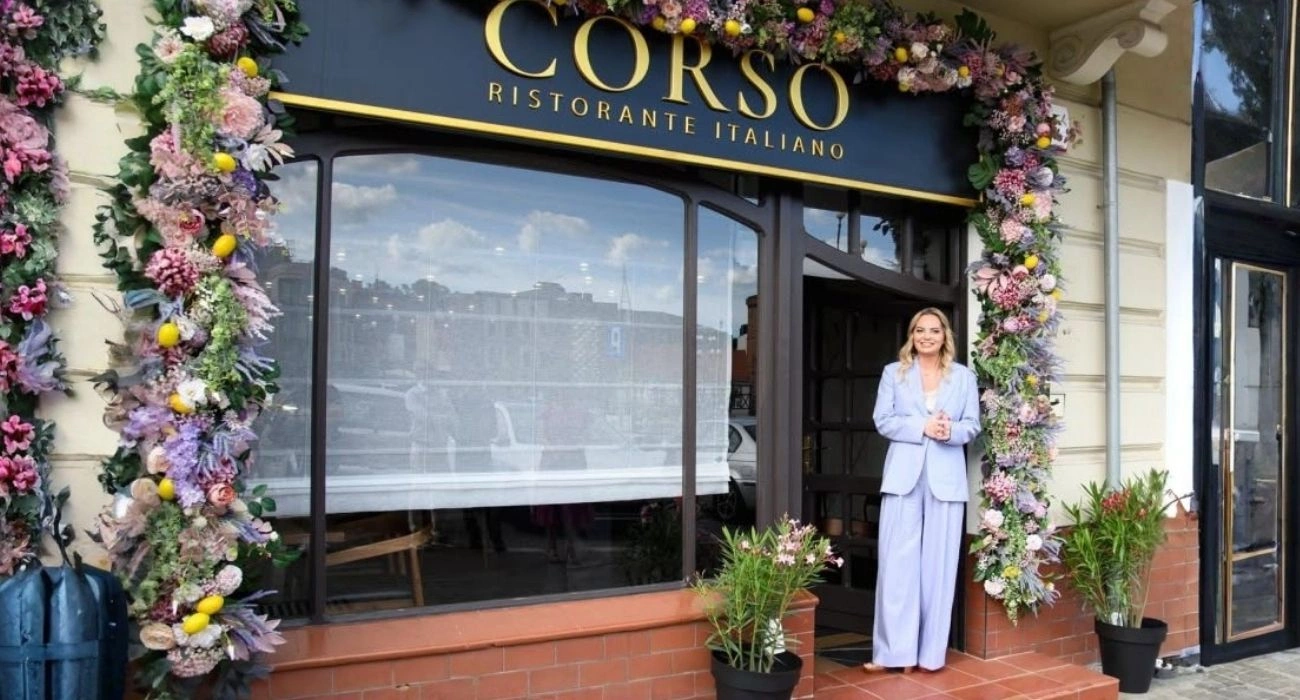
Located at Stary Port 5, directly across from Barka Lemara, Corso Ristorante Italiano occupies a symbolic location where the historical identity of Bydgoszcz meets the city’s contemporary energy.
Marta Ratz designed the restaurant as more than a dining destination. The focus extends beyond food to the complete guest experience: the atmosphere, interior design, hospitality, and joy of sharing moments together.
The menu combines traditional Italian inspirations with creative interpretations from chef Mateusz. Guests can discover dishes such as tortellini in aromatic broth, rabbit ravioli with sage sauce, bistecca alla Fiorentina, grilled octopus, seafood creations, and carefully selected classic Italian pizzas.
Through Corso, Marta demonstrates that cultural exchange can happen through everyday experiences. Italian traditions and Bydgoszcz’s riverside identity come together to create a space where different cultures meet naturally.
One River, Two Generations, One Shared Legacy
The story of the Ratz family is ultimately a story about preserving heritage without becoming trapped in the past.
Jerzy Ratz protects the memory of the people who lived and worked on the rivers, ensuring that the traditions of inland navigation remain part of Bydgoszcz’s identity.
Marta Ratz continues this connection in a contemporary way, creating a gathering place where people experience culture, hospitality, and community beside the same river that shaped generations before her.
On opposite sides of the Brda River stand two symbols of Bydgoszcz: Barka Lemara, representing the city’s historical relationship with water, and Corso Ristorante Italiano, representing its openness toward the world.
Together, they show that heritage is not only something inherited—it is something continuously recreated.
A river is not only part of a landscape. It is the memory of a city.
- The Ratz family has maintained a multi-generational connection with inland navigation, with Jerzy Ratz continuing a tradition shaped by his father and grandfather.
- Barka Lemara, built in 1937 at the Lloyd Bydgoski Shipyard, was restored and transformed into a cultural space dedicated to preserving the history of river communities.
- Corso Ristorante Italiano represents Marta Ratz’s combination of cultural experience and business expertise, creating a modern hospitality concept inspired by Italian traditions.
Contribution to Society
The Ratz family demonstrates how personal heritage can become a valuable contribution to a wider community. Through Barka Lemara, Jerzy Ratz preserves the memory of Bydgoszcz’s river culture and educates future generations about the people who shaped the city’s development.
Meanwhile, Marta Ratz continues this legacy by creating a modern cultural and hospitality space that connects local identity with international inspiration. Together, their work shows how history and innovation can coexist, strengthening a city’s sense of belonging while welcoming new experiences.
Where Heritage Continues to Flow
The story of the Ratz family proves that heritage does not have to remain frozen in time. Through Jerzy Ratz’s dedication to preserving Bydgoszcz’s river traditions and Marta Ratz’s vision of creating new cultural experiences, one river continues connecting generations.
The Brda River is more than a geographical feature—it is a symbol of memory, identity, and transformation. Through places like Barka Lemara and Corso Ristorante Italiano, the legacy of Bydgoszcz continues to flow, reminding us that the strongest traditions are those that continue evolving with the people who carry them forward.
Categories
Tagged in this story
Image sources