
The Repair Economy: Why Fixing Products Is Becoming Business
Written by Admin • 2026-10-14 01:12:00
Topics
The repair economy is reshaping consumer relationships with products as businesses pivot from replacement-first models to those that prioritize maintenance and refurbishment. With new EU regulations promoting repair, companies have opportunities to innovate in service offerings while contributing to sustainable practices.
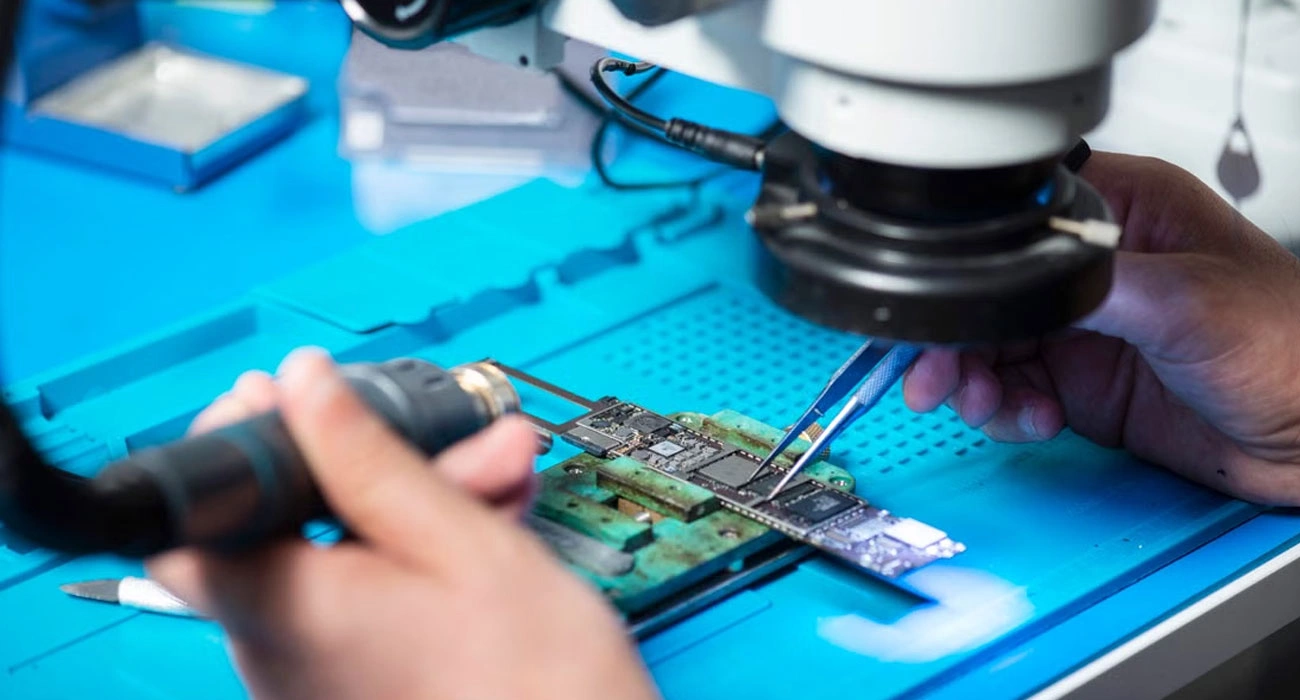
The Repair Economy: How Repair Is Becoming a Business
Exploring the shift from a replacement-first consumer market to sustainable business models.
A Different Relationship with Products
For decades, many consumer markets have prioritized the purchase of new products over repairing existing ones. A broken appliance, damaged smartphone, or malfunctioning electronic device often leads to a quick replacement decision. However, the rising costs of disposal, the increasing availability of spare parts, and growing consumer interest in product longevity are encouraging businesses to rethink their approaches to customer service post-sale. This shift is steering them towards models that focus on maintenance, repair, and refurbishment.
The emergence of the repair economy signifies a new relationship between consumers and products, where the emphasis is on extending the lifespan of goods rather than simply replacing them. As consumers become more environmentally conscious and financially savvy, they are seeking alternatives that allow them to keep their products functional for longer.
Regulation Creates a New Commercial Landscape
Europe's right-to-repair framework marks a pivotal development in this transition. Under this directive, manufacturers of eligible products are obligated to facilitate repairs, while consumers benefit from improved access to repair services and information. This regulatory framework does not force repairs on every product but enhances repair as a practical alternative to replacement, thereby reshaping the commercial landscape.
The implications of this regulation extend beyond independent repair shops and affect manufacturers' strategies regarding spare parts availability, service networks, and product design. Retailers are also encouraged to explore refurbishment and resale, while new entrepreneurial opportunities arise in diagnostics, maintenance subscriptions, and specialized repair services.
The next competitive advantage may not be selling more products, but making existing products useful for longer.
Key Facts & Statistics
Facts & Insights
- The EU's repair directive began applying, following its adoption in 2024.
- The European Commission's expected billions of growth and investment impact from the new rules.
- The Commission targeted 2027 for the planned European online repair platform to become operational.
31/07/26
Directive application date
€4.8B
Projected growth and investment across the EU
2027
Planned year for the EU repair platform
12 months
Additional legal guarantee
A New Opportunity in the Life Beyond the Sale
The repair economy challenges businesses to think beyond the moment a product changes hands. Maintenance, repair, and refurbishment can become significant aspects of the customer relationship rather than mere afterthoughts. As regulations and consumer expectations evolve, companies that combine dependable service with commercially viable operations are likely to discover new ways to build trust, create skilled jobs, and extend the value of products. This transformation opens avenues for leaders willing to rethink established business models and embrace the repair economy.
Categories
Tagged in this story
Image sources
Pexels - Photo by Jacob Yavin