
The Reshoring Race: Why Manufacturers Are Bringing Production Home Again
Written by Admin • 2026-09-07 01:39:00
Topics
Manufacturers are increasingly reshoring production as they recognize that cost is no longer the only factor in supply chain decisions. A focus on resilience, logistics, and workforce availability is reshaping global manufacturing strategies in 2026.
The Reshoring Race: Why Manufacturers Are Bringing Production Home Again
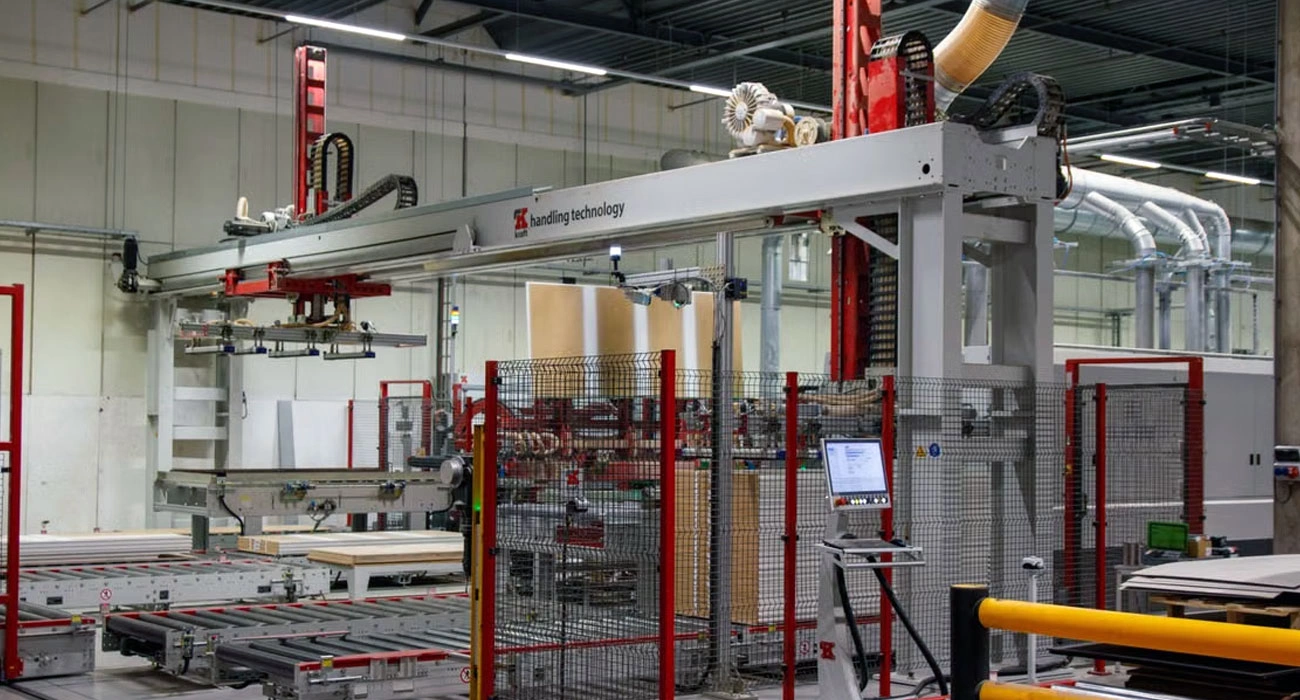
Manufacturers are reconsidering the geography of production as supply-chain resilience becomes as important as cost.
The Cost of the Cheapest Supply Chain
For decades, global manufacturing was dominated by the pursuit of the lowest production costs. However, this simplistic approach is undergoing a significant transformation as companies reassess their strategies. The focus is shifting from merely finding the cheapest options to considering a range of factors, including logistics, workforce availability, and geopolitical risk. This recalibration reflects a growing recognition that a supply chain optimized solely for cost can lead to vulnerabilities, especially during times of global uncertainty.
As recent disruptions in global supply chains have highlighted, the cheapest option can sometimes become the most expensive when faced with geopolitical tensions, shipping delays, or sudden shortages. Therefore, manufacturers are starting to realize that a more comprehensive approach—balancing cost with resilience—is essential for long-term sustainability. This is where reshoring comes into play, allowing companies to bring production closer to home and enhance their supply chain resilience.
Reshoring Moves From Idea to Investment
Recent surveys indicate a significant shift toward reshoring among manufacturers. According to the Reshoring Initiative's 2026 survey, 36% of original equipment manufacturers (OEMs) have either reshored or are actively engaged in the reshoring process, up from 29% in 2025. This trend is further echoed by contract manufacturers, with 32% actively quoting reshoring projects in 2026—double the figure from the previous year. Such statistics underscore a growing commitment to reshoring as a viable manufacturing strategy.
Companies are increasingly investing in reshoring initiatives, recognizing the potential benefits of a robust domestic manufacturing base. These investments not only enhance supply chain resilience but also support local economies and job creation. As businesses adapt to a changing global landscape, the emphasis on reshoring is likely to continue, leading to a more diversified and flexible manufacturing ecosystem.
Logistics, Labour and Resilience
The decision to reshore manufacturing is influenced by several critical factors. Logistics, for instance, plays a vital role in determining where products are manufactured. Companies are increasingly prioritizing shorter supply chains to mitigate risks associated with transportation delays and costs. Labour availability also impacts these decisions, as businesses require a skilled workforce to support domestic production efforts.
Moreover, the quest for resilience is reshaping industrial decision-making. Manufacturers are seeking to build robust supply chains that can withstand disruptions, whether from geopolitical tensions or natural disasters. By relocating production closer to their customer base, companies can not only enhance their responsiveness but also reduce their exposure to global supply chain risks.
Facts & Insights
- The Reshoring Initiative's 2026 survey found that 36% of OEMs had reshored or were actively engaged in additional reshoring, up from 29% in 2025.
- Thirty-two percent of contract manufacturers surveyed were actively quoting reshoring projects in 2026, twice the 2025 figure of 16%.
- Sixty-three percent of surveyed companies planned US capital expenditure to support further reshoring or domestic expansion.
36% of OEMs had reshored or were actively engaged in additional reshoring in 2026.— Reshoring Initiative 2026 survey, reported by MHL News.
Efficiency Is No Longer Enough
The resurgence of reshoring does not signal the disappearance of global manufacturing. Instead, it reflects a more sophisticated understanding of what efficiency means. A supply chain that saves money during normal conditions can become extraordinarily expensive when disrupted by geopolitical tensions, transport delays, or sudden shortages. Companies are therefore beginning to value proximity, flexibility, and resilience alongside cost.
The result could be a new manufacturing landscape in which production is distributed more intelligently across regions rather than concentrated wherever labour happens to be cheapest. For businesses, this evolution represents an important lesson in adapting to disruptions and transforming those lessons into the next generation of enterprise strategy.
Categories
Tagged in this story
Image sources
Pexels - Photo by Freek Wolsink