
The Revival of Traditional Crafts: Why Handmade Products Are Winning Modern Consumers
Written by Admin • 2026-08-05 01:18:00
Topics
The revival of traditional crafts highlights the growing consumer demand for authenticity and quality in handmade products. As artisans blend age-old techniques with contemporary styles, they not only preserve cultural heritage but also create meaningful connections with modern consumers.
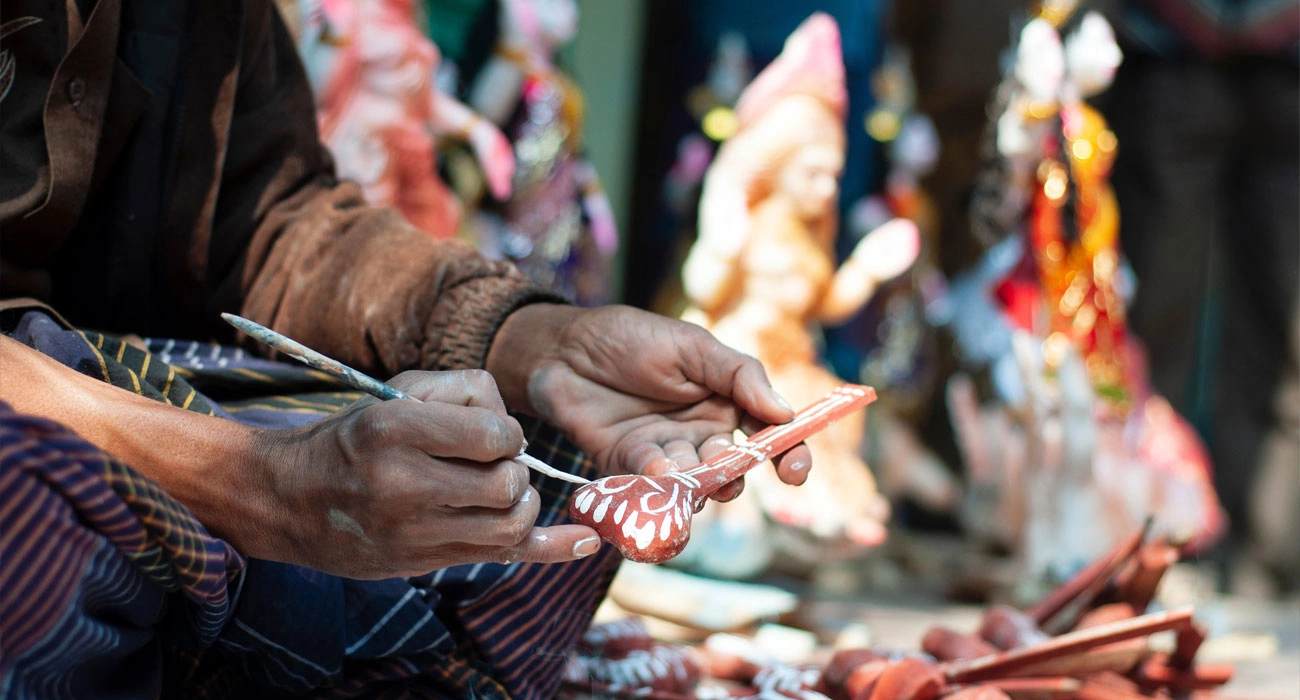
The Revival of Traditional Crafts
Why Handmade Products Are Winning Modern Consumers
The Resurgence of Handmade Craftsmanship
In a world dominated by mass production, handmade craftsmanship is experiencing a remarkable revival. Traditional artisans are combining centuries-old techniques with modern design, creating products that represent authenticity, quality, and cultural identity. This movement shows that craftsmanship remains relevant—not because it belongs to the past, but because it offers something the modern world increasingly values. Consumers today are seeking products that tell a story and reflect their personal values, making handmade items more appealing than ever.
Brands like woody®, Baron Filou, and Teresa Anniuk-Gulak exemplify how traditional skills can evolve into modern success stories. These artisan brands are not only preserving cultural heritage but also reimagining it for contemporary tastes. By embracing innovative designs while respecting traditional craftsmanship, they cater to a growing demographic that prioritizes sustainability and authenticity in their purchasing decisions.
Handmade products carry not only quality, but the story of the people who create them.— Anonymous Artisan
The Value of Handmade Products
The appeal of handmade products extends beyond their aesthetic value; they embody a commitment to quality and sustainability. Unlike mass-produced items, handmade products often emphasize durability and craftsmanship, leading to a stronger emotional connection between consumers and the artisans. This personal touch resonates with a growing segment of consumers who are weary of disposable goods and are instead looking for lasting value in their purchases.
Facts & Insights
- Traditional crafts preserve cultural knowledge passed through generations.
- Many artisan brands are adapting traditional techniques for modern consumer preferences.
- Handmade products often emphasize quality, durability, and personal connection.
Cultural Heritage and Economic Impact
The revival of traditional crafts also has significant implications for cultural preservation and local economies. By supporting artisan markets, consumers contribute to the sustainability of creative industries and the protection of cultural heritage. This movement not only empowers artisans but also fosters community growth, as local economies benefit from the demand for handmade goods. As consumers become more aware of the social impacts of their purchases, they are increasingly supporting businesses that align with their values.
100+
Years of Craft Traditions
Global
Artisan Movement
Human
Creative Process
Premium
Quality Focus
Conclusion
The revival of traditional crafts proves that some of the oldest skills can still inspire the newest generations. In every handmade creation, there is not only a product—but a story. This connection to the past enriches the present and paves the way for a future where craftsmanship is celebrated and valued. As consumers continue to seek authenticity in their purchases, the renaissance of traditional craftsmanship will likely endure, shaping the landscape of modern commerce.
Categories
Tagged in this story
Image sources
Pexels - Photo by Shyamap Bhattacharyya