
The Right to Repair: Why Product Longevity Is Becoming a Business Issue
Written by Admin • 2026-10-26 01:18:00
Topics
The right-to-repair movement emphasizes extending product lifetimes, shifting consumer focus from replacement to repair. New EU rules enhance accessibility to repairs, fostering opportunities for businesses while promoting sustainable consumption.
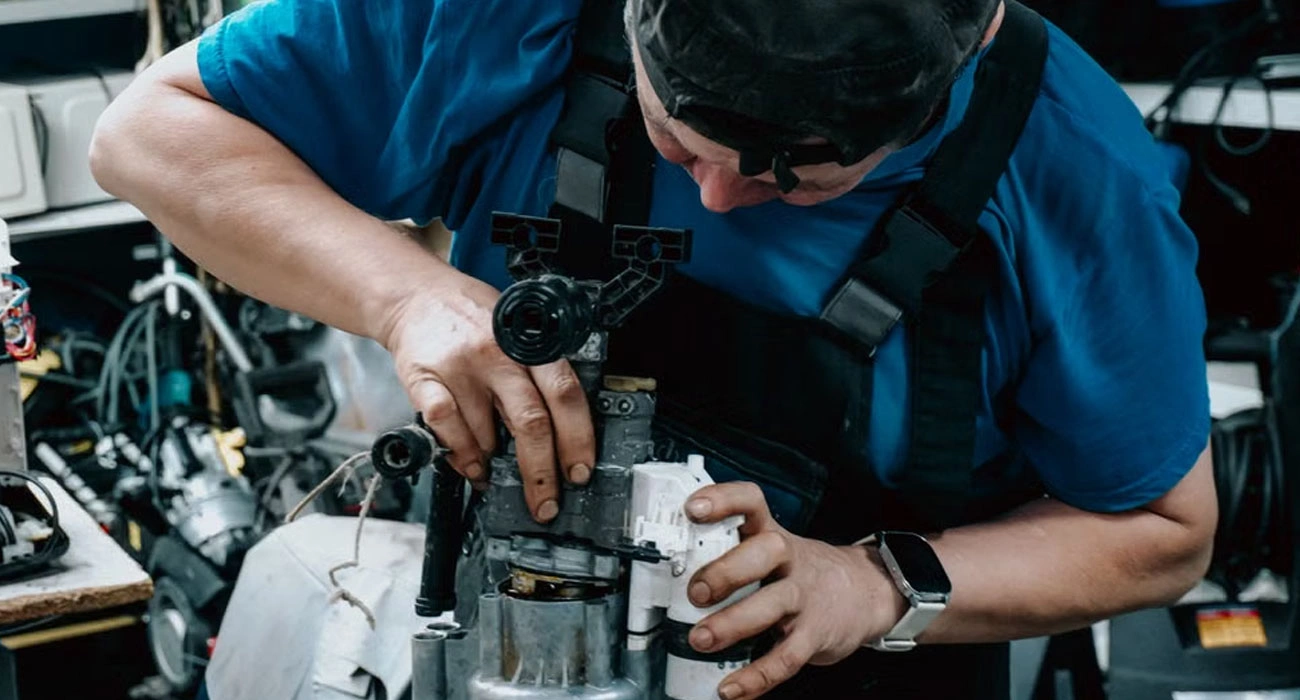
The Right to Repair: Why Product Longevity Is Becoming a Business Issue
Exploring the impact of the right-to-repair movement on consumer expectations and business opportunities.
A Different Way to Think About Ownership
For many consumers, replacing a broken product has often seemed easier than repairing it. A damaged appliance, phone, or household device may be difficult to open, expensive to fix, or affected by limited access to spare parts. This pattern creates financial and environmental consequences. Manufacturing new products requires materials, energy, and transport, while discarded goods contribute to waste. Extending product lifetimes can reduce the need for premature replacement and give consumers more value from what they already own.
The right-to-repair movement aims to change the conditions that make repair difficult. It promotes access to repair services, parts, and information to help keep goods in use for longer, rather than treating a product as disposable once it develops a fault. This shift not only benefits consumers by enhancing their experience but also supports a more sustainable economy.
What Europe's New Rules Mean
The EU Directive on the repair of goods is intended to make repair more accessible and attractive. When consumers choose repair rather than replacement, the guarantee period is extended by at least 12 months. Moreover, manufacturers must provide information about repair services and access to spare parts, thereby encouraging a culture of repair over replacement. However, it is essential to understand that the rules do not mandate free repairs for every broken item but operate within defined legal conditions.
These changes signify a notable shift in consumer policy, where repair is becoming an integral part of the business model. Businesses will need to adapt their strategies to consider the long-term implications of product design and their service offerings, focusing on repairability to meet consumer expectations.
The next product advantage may not be how quickly it is replaced, but how well it can be maintained.— Industry Expert
Facts & Insights
- The EU's repair-goods directive became applicable under national rules from 31 July 2026.
- Choosing repair instead of replacement under the relevant legal guarantee conditions extends the guarantee by at least 12 months.
- The rules include obligations relating to repair services and access to spare parts for covered products.
31/07/2026
Application Date
12
Months: Minimum Additional Guarantee
2024
Year the EU Directive Was Adopted
2027–2028
Planned Development Period
Categories
Tagged in this story
Image sources
Pexels - Photo by Bulat843 🌙