
The Rise of Circular Fashion: How Clothing Is Entering a Second Life
Written by Admin • 2026-08-04 01:33:00
Topics
The rise of circular fashion is transforming the industry by promoting repairing, renting, and reselling clothing, thus extending product lifecycles and reducing environmental impact. As brands embrace sustainability, consumers are increasingly valuing these practices as part of their fashion choices.
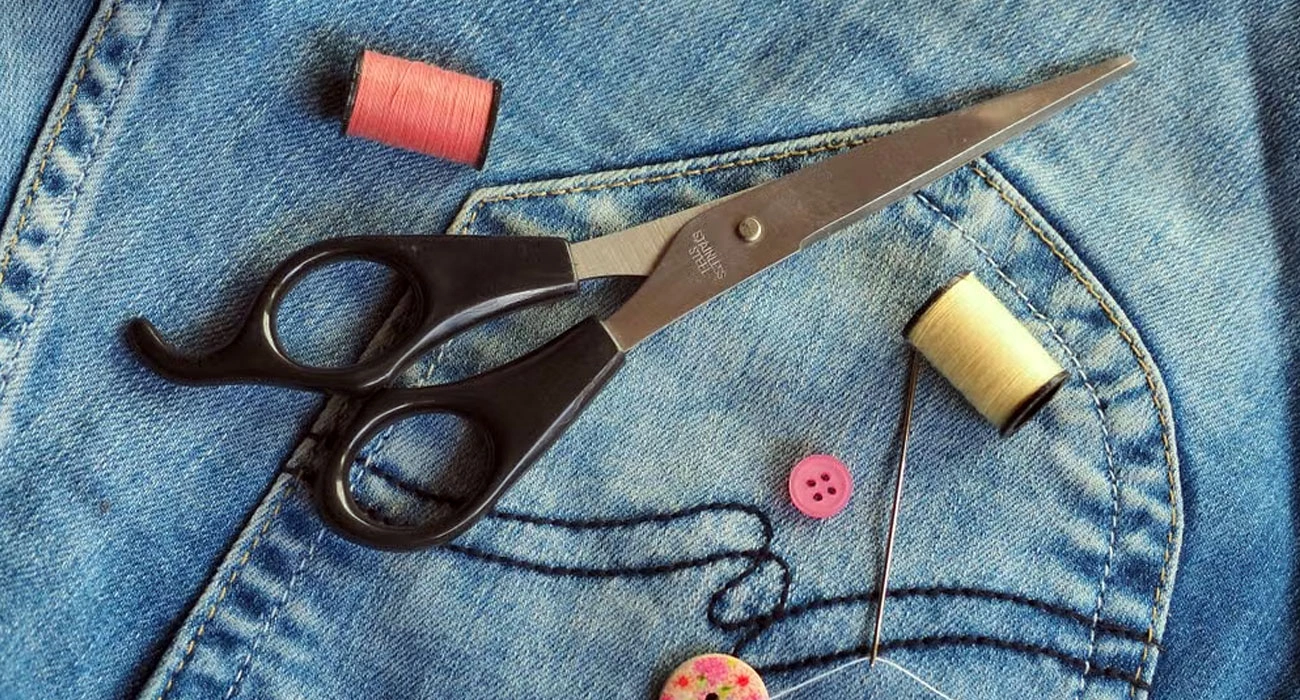
The Rise of Circular Fashion
How Clothing Is Entering a Second Life
Understanding Circular Fashion
Fashion is undergoing one of its most significant transformations in decades, marked by a shift towards circular fashion. This approach emphasizes repairing, renting, and reselling clothing rather than encouraging the endless consumption that has long characterized the industry. By adopting circular business models, brands are extending the lifecycle of their products and significantly reducing their environmental impact. For consumers, this shift is not only a response to the growing environmental crisis but also a lifestyle choice that aligns with their personal values of sustainability and responsible consumption.
The rise of circular fashion is indicative of a broader change in consumer behavior, where sustainability is no longer viewed as an optional add-on but as a critical component of the fashion experience. Major brands are now investing in resale platforms and repair services, recognizing that these initiatives not only appeal to conscious consumers but also provide a competitive advantage in today's market. As the fashion industry evolves, the integration of circular practices is becoming essential for brands that want to remain relevant and responsible.
"The most sustainable garment is often the one already in your wardrobe."— Unknown
Impact of Circular Fashion on the Industry
The embrace of circular fashion is transforming the fashion landscape, with brands increasingly prioritizing sustainability alongside style and quality. This evolution is evident through the establishment of dedicated resale and repair programs by numerous global fashion leaders. By extending the life of their products through these channels, brands not only reduce waste but also foster a culture of sustainability that resonates with consumers. The growing resale market is a testament to this shift, as more individuals seek to buy and sell pre-loved items, thereby contributing to a more sustainable fashion ecosystem.
As fashion brands pivot towards circular models, they are not just addressing consumer demand for sustainable options; they are also contributing to societal change. By reducing waste and promoting responsible production and consumption, circular fashion is paving the way for a future where the fashion industry operates within the boundaries of environmental sustainability. This movement supports the notion that the future of fashion may depend less on producing more and more on making every garment last longer, ensuring a positive impact on both the planet and the people.
Facts & Insights
- Circular fashion extends product life through repair, resale, and recycling.
- Many global brands now operate dedicated resale or repair programs.
- Consumers increasingly value sustainability alongside style and quality.
The Future of Circular Fashion
Looking ahead, the circular fashion movement is poised to redefine the norms of the fashion industry. As brands continue to innovate and consumers embrace more sustainable practices, we can expect to see a broader acceptance of clothing recycling, rental options, and a culture that celebrates longevity over disposability. This paradigm shift not only addresses pressing environmental challenges but also empowers consumers to take an active role in shaping the future of fashion. The collective effort towards a circular economy signals a promising path for a more sustainable and responsible fashion industry.
1
Goal: Sustainable Fashion Choices
75%
of consumers prefer sustainable fashion options
50%
growth in resale clothing market expected by 2025
1
Future: Circular Economy
Categories
Tagged in this story
Image sources
Pexels - Photo by Beate Vogl