
The Rise of the Fallcation: Why Autumn Is Becoming the New Peak Travel Season
Written by Admin • 2026-09-18 01:01:00
The rise of the 'fallcation' is changing when people travel — and may force the tourism industry to rethink the traditional concept of peak season. With a significant increase in autumn travel bookings, September is becoming a prime month for vacations as travelers seek cooler weather and fewer crowds.
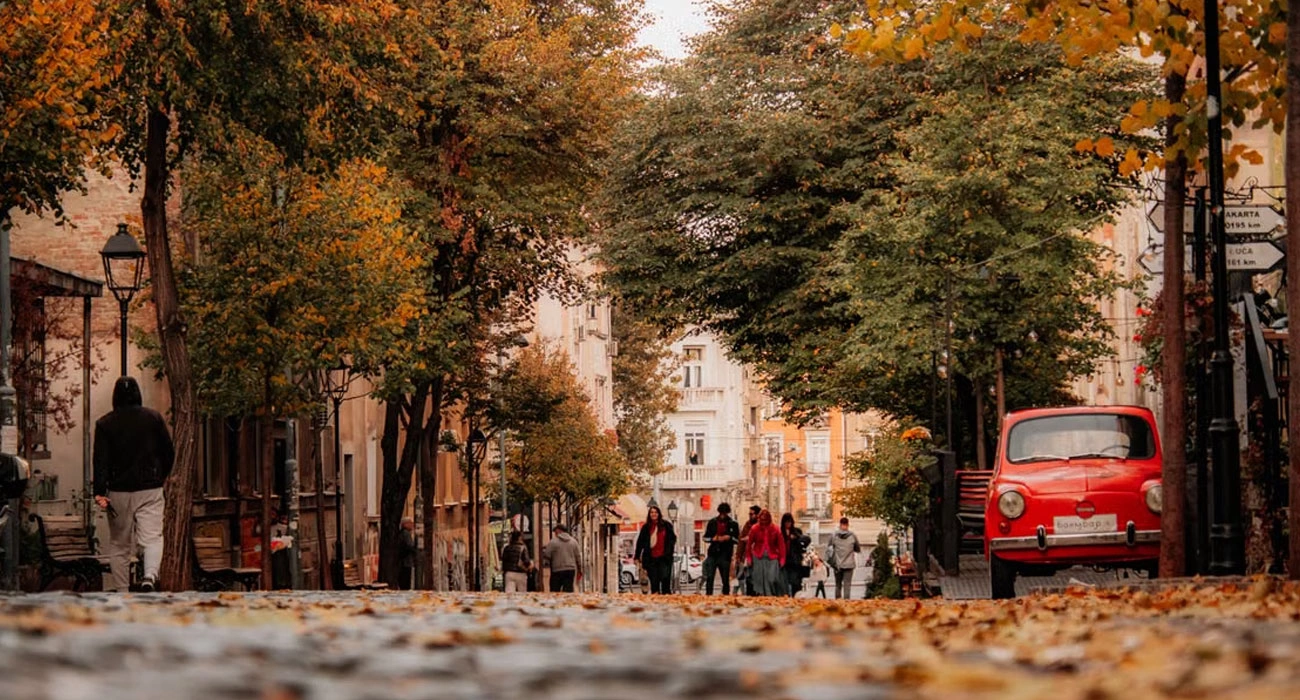
The Rise of the Fallcation: Why Autumn Is Becoming the New Peak Travel Season
Explore the growing trend of autumn travel as families and individuals seek cooler weather and fewer crowds.
Why Summer Is Losing Its Monopoly
For decades, summer defined the global holiday calendar. Families would disappear in July, beaches would fill in August, and hotels prepared for their busiest months. However, this pattern is beginning to change as travelers increasingly seek alternatives to the traditional summer getaway. The rise of the 'fallcation' — travel between September and November — reflects a growing preference for cooler weather, fewer crowds, seasonal experiences, and greater flexibility in travel planning. As data from travel agencies like Virtuoso shows, more people are now looking to book vacations during the shoulder season, indicating a significant shift in consumer behavior.
This growing trend is more than just a temporary shift; it signifies a broader change in how consumers approach their vacations. The traditional peak travel months are no longer the only options, as travelers embrace the notion of traveling during autumn when they can enjoy pleasant weather and unique experiences. As a result, destinations and tourism industries are beginning to re-evaluate their strategies to accommodate this new demand for fall travel.
The Rise of September Travel
September is emerging as a particularly attractive month for international holidays. Recent data from Condé Nast Traveler indicates that travel bookings for the fall have seen a sharp increase, with September sales reported to be 77% higher year-on-year. This surge in interest can be attributed to various factors, including milder weather, fewer tourists, and the desire for more authentic seasonal experiences. The appeal of September travel is further enhanced by the availability of more affordable pricing compared to the peak summer months, making it an enticing option for budget-conscious travelers.
Research conducted by ABTA also highlights this trend, showing an increase in the proportion of travelers intending to take an overseas holiday in September, rising from 17% in 2023 to 24% in 2025. This data underscores the growing acceptance of fall travel as a viable and desirable option for many, paving the way for a new travel paradigm where autumn becomes a peak season in its own right.
Weather, Crowds and Value
The allure of fall travel can be attributed to several factors, including the pleasant weather conditions that many destinations experience during this season. Travelers often prefer to avoid the sweltering heat of summer, opting instead for the cooler, more comfortable temperatures of autumn. Additionally, the reduced number of tourists in the fall allows for a more relaxed travel experience, enabling families and individuals to explore destinations without the overwhelming crowds typically associated with peak summer travel.
Moreover, the fall season often brings unique seasonal experiences, such as harvest festivals, fall foliage, and special events that cater to the interests of travelers seeking something different. The combination of favorable weather, fewer crowds, and unique seasonal offerings makes autumn an increasingly attractive time to travel, positioning it as a competitive alternative to the traditional summer vacation.
How Destinations Are Adapting
As the trend towards fallcation grows, destinations are beginning to adapt their offerings to cater to this new wave of travelers. Hotels, airlines, and tourism boards are rethinking their marketing strategies and promotional efforts to highlight the benefits of travel during the shoulder season. This includes creating packages that emphasize seasonal experiences, such as wine-tasting tours, culinary events, and outdoor activities that showcase the natural beauty of the autumn months.
In addition, tourism businesses are focusing on promoting the value of fall travel, highlighting cost savings and the opportunity to enjoy popular attractions with minimal wait times. This strategic shift aims to not only attract travelers during the fall months but also to encourage a more sustainable approach to tourism that spreads demand more evenly throughout the year.
The off-season is becoming less of a season and more of a choice.— Editorial framing
Facts & Insights
- Virtuoso reported a 59% year-on-year increase in fall travel bookings, according to Condé Nast Traveler.
- September sales in Virtuoso's data were reported to be 77% higher year-on-year.
- ABTA data cited by Euronews showed that the share of travellers intending to take an overseas holiday in September reached 24% in 2025, compared with 17% in 2023.
59%
Fall Booking Growth
77%
September Sales Growth
24%
September Holiday Intent
3–4 Months
Fall Travel Window
Is the Off-Season Disappearing?
The rise of the fallcation raises an important question: is the traditional off-season disappearing? As more travelers embrace the idea of vacationing in the fall, it seems that the concept of an off-season is evolving into a more fluid approach to travel. This shift indicates that travelers are no longer bound by traditional peak seasons and are willing to explore new opportunities throughout the year.
By distributing tourism demand more evenly across the calendar, the industry may reduce seasonal pressure on destinations, creating a more sustainable tourism model. This new approach not only fosters consistent employment and revenue for tourism businesses but also enhances the overall traveler experience, allowing visitors to enjoy destinations without the constraints of overcrowding.
The rise of the fallcation represents more than a temporary travel trend. It reflects a broader change in how people think about time, weather, and the value of experiences. As travelers become more flexible about when they take holidays, destinations may have an opportunity to spread demand across a longer calendar while creating experiences designed specifically around the character of each season.
When Every Season Becomes Travel Season
The result could be a tourism industry less dependent on a single summer rush and more capable of operating as a year-round ecosystem. BritishPEDIA's Showcase follows these behavioral shifts because the future of travel is increasingly being shaped by changing expectations rather than traditional calendars.
Categories
Tagged in this story
Image sources
Pexels - Photo by Nikola Kojević