
The Secret Cost of Food Waste: How Businesses Can Turn Surplus into Value
Written by Admin • 2026-10-23 01:17:00
Topics
Food waste represents lost resources and business value. Better forecasting, measurement, and redistribution can help organisations prevent avoidable losses.
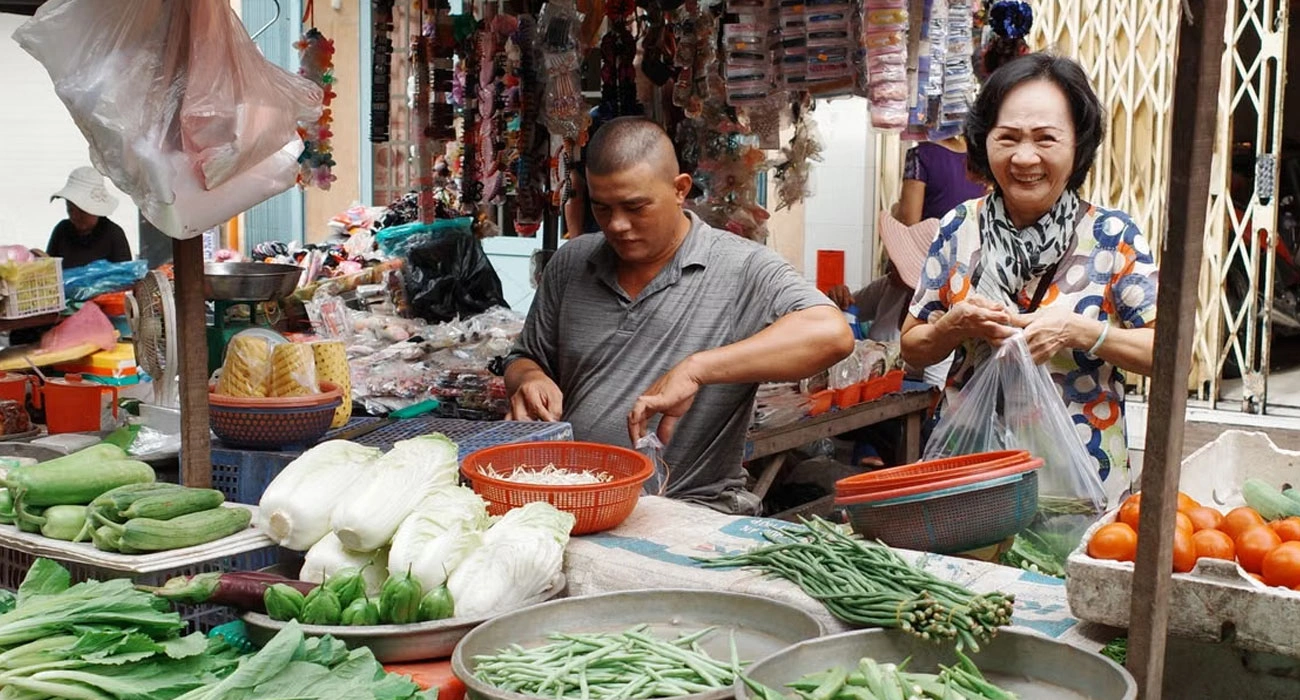
The Secret Cost of Food Waste: How Businesses Can Turn Surplus into Value
Exploring the business, environmental, and social consequences of food waste
What Food Waste Really Costs a Business
Food waste is often perceived as an unavoidable by-product of modern commerce—whether it's unsold groceries, oversized restaurant portions, expired stock, or produce that never reaches consumers. However, discarded food also reflects resources that have already been invested in farming, processing, transport, refrigeration, labor, and packaging. For businesses, waste is not just an environmental issue; it signals that value is being lost somewhere in the system.
The costs associated with food waste are multifaceted, including direct costs of wasted stock and indirect costs such as purchasing, storage, refrigeration, labor, disposal, and lost sales opportunities. By distinguishing food loss earlier in the supply chain from food waste at retail and food-service levels, businesses can better understand where their losses are occurring and take actionable steps to mitigate them.
Measuring the Problem Before Trying to Solve It
To effectively address food waste, businesses must first measure it. Waste audits, inventory records, spoilage logs, and unsold-stock data provide critical insights. Establishing a baseline is essential before evaluating the effectiveness of any intervention. The UNEP emphasizes that reliable measurement forms the foundation for identifying opportunities and tracking progress towards Sustainable Development Goal 12.3.
The most valuable food-waste strategy is the one that prevents avoidable surplus before it becomes waste.
Smarter Forecasting and Inventory Management
Effective demand forecasting, stock rotation, and optimal storage conditions can significantly reduce food waste. By improving coordination between procurement, operations, and sales, businesses can prevent over-ordering while ensuring product availability. Flexible ordering systems and menu planning that consider customer preferences can further minimize surplus, aligning inventory management with actual demand.
Turning Waste Data into Business Decisions
Tracking the value and quantity of food discarded is crucial for identifying recurring causes of waste. Metrics such as waste per meal served, spoilage as a share of stock purchased, and the value of surplus redirected can drive informed business decisions. Transparency in reporting helps organizations choose measures that align with their operations and fosters accountability among teams.
Facts & Insights
- UNEP estimated that 1.05 billion tonnes of food were wasted in 2022 at retail, food-service, and household levels.
- The report estimated an average of 132 kilograms of food waste per person in 2022 across the relevant consumer-level sectors.
- UNEP reported that 60% of consumer-level food waste occurred in households, 28% in food service, and 12% in retail.
From Surplus to Smarter, More Responsible Business
Food waste reveals the intricate relationship between business decisions and the resources behind everyday products. By measuring losses, improving forecasting, and building responsible redistribution partnerships, businesses can significantly reduce avoidable waste while creating value for customers and communities. Implementing these strategies not only enhances operational efficiency but also positions organizations as leaders in sustainable practices.
Categories
Tagged in this story
Image sources
Pexels - Photo by Loriz E