The Sound of Migration: How Youngeun Kim Is Turning Memory into an Immersive Art Experience
Written by Admin • 2026-09-23 01:17:00
YoungEun Kim is transforming listening into an artistic language, using immersive sound to explore migration, memory, and Asia's complex histories. Her exhibition, To Future Listeners: Migrating Sound, challenges traditional visual-centric approaches by inviting audiences to engage with history through sound.
The Sound of Migration: How YoungEun Kim Is Turning Memory into an Immersive Art Experience
Exploring histories of movement through immersive sound art.
When Listening Becomes an Artistic Practice
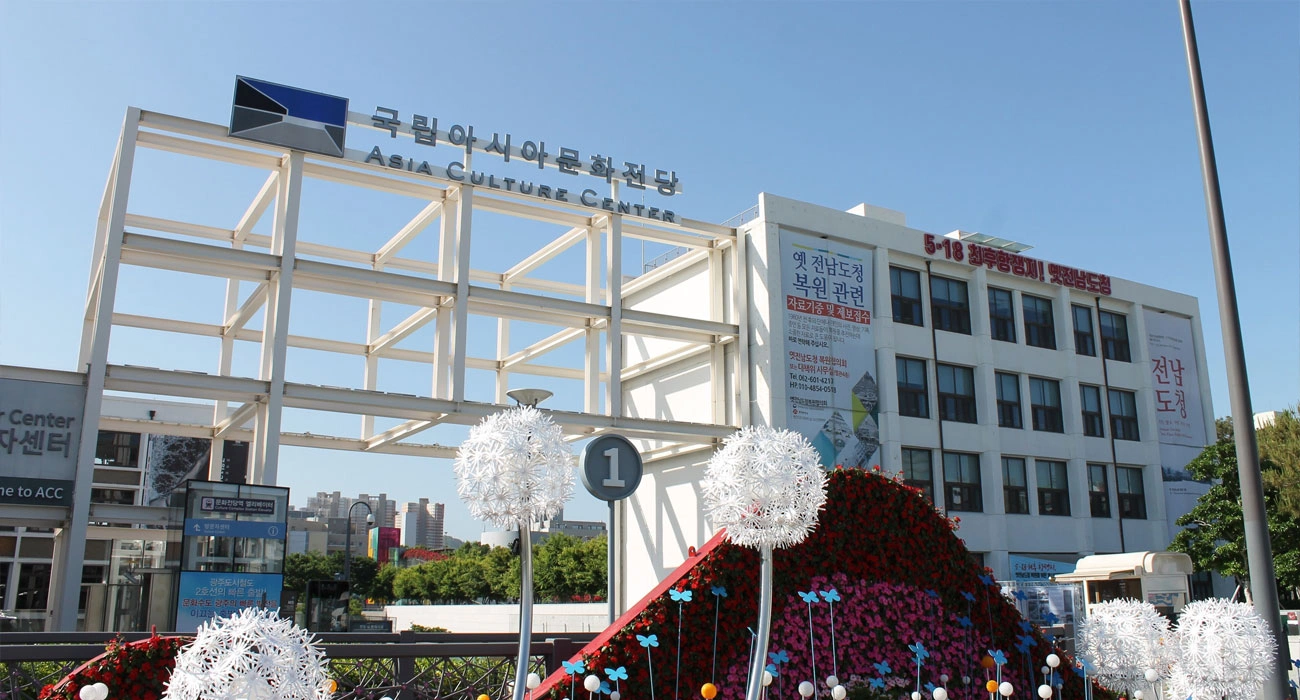
YoungEun Kim, a South Korean contemporary artist, invites audiences to engage with history through sound rather than sight. Her latest exhibition, To Future Listeners: Migrating Sound, hosted at the National Asian Culture Center in Gwangju, seeks to redefine how we experience art. By placing listening at the forefront, Kim challenges the traditional visual-centric approach, allowing visitors to explore narratives of migration, colonial violence, and personal histories through the medium of sound.
The installation features a 115.4-channel sound system, blending voices, poetry, and historical narratives into an immersive auditory experience. This innovative approach encourages attendees not only to hear but to feel the weight of history as it resonates within the exhibition space. Kim’s work emphasizes the importance of listening as an artistic practice, transforming passive observation into active engagement with the memories that shape our collective identity.
The Histories Hidden Inside Sound
The sound installation serves as a vessel for stories often overlooked in conventional narratives. By using Wave Field Synthesis and immersive spatial audio, Kim crafts a sonic landscape that embodies the complexities of migration across Asia. Each layer of sound interweaves personal and collective memories, offering a unique perspective on the histories that have shaped contemporary society. This innovative approach allows audiences to connect with the past in a manner that is both intimate and profound.
Kim’s intention is to ensure that these histories are not forgotten but rather heard and felt. The voices and stories presented in the installation invite visitors to reflect on their own experiences and perceptions of migration. By engaging with sound as a primary medium, Kim fosters a deeper understanding of the emotional and cultural impacts of migration, encouraging a dialogue that transcends visual representation.
Building an Immersive Sonic Landscape
To Future Listeners: Migrating Sound is not just an exhibition; it is an experience that envelops visitors in a rich auditory environment. The installation utilizes advanced sound technology to create a multi-dimensional space where sound waves interact dynamically with the audience. As voices and narratives flow through the space, they create a tapestry of sound that can be felt physically, transforming the act of listening into a shared experience.
This immersive approach challenges the conventional boundaries of visual art, inviting participants to become active listeners. The installation's design allows for a unique exploration of how sound can evoke emotions, memories, and reflections on personal and collective histories. By integrating technology and art, Kim not only enhances the sensory experience but also enriches the narrative depth of the installation.
Migration, Memory and Asia
Kim's work engages with the sensitive topics of migration and memory, reflecting the stories of countless individuals whose experiences have historically been marginalized. The exhibition runs through February 14, 2027, as part of the ACC Future Prize 2026, providing a platform for these important narratives to be heard. By focusing on the sounds of migration, Kim highlights the ongoing relevance of these histories in shaping contemporary society.
As visitors listen to the layered voices and stories, they are encouraged to consider their own connections to these themes. The installation serves as a reminder of the shared histories that bind us and the importance of acknowledging the complexities of migration in our globalized world. Through sound, Kim creates a space for reflection, understanding, and empathy.
Listening can become another way of remembering.— YoungEun Kim
Facts & Insights
- To Future Listeners: Migrating Sound is part of the ACC Future Prize 2026 programme.
- The installation uses 115.4 channels of sound, three-channel video and lighting.
- The exhibition runs at the National Asian Culture Center in Gwangju through February 14, 2027.
115.4
Sound Channels
3
Video Channels
60 Min
Installation Duration
2027
Exhibition End
Learning to Listen to History
YoungEun Kim's work challenges the assumption that visual art must be primarily seen. By turning listening into a form of critical inquiry, she creates an experience in which historical memory becomes spatial, physical, and deeply personal. Her use of immersive sound technology does not simply make the exhibition more spectacular; it changes the relationship between audience and story, asking visitors to inhabit histories of movement rather than simply observe them.
BritishPEDIA's Showcase can document artists such as Kim because their contribution extends beyond individual exhibitions — they expand the ways future audiences may experience memory, culture and human history. In a world increasingly dominated by visual stimuli, Kim's focus on sound offers a refreshing perspective on how art can engage with complex emotional and historical themes.
Categories
Tagged in this story
Image sources
By LERK - Own work, CC BY-SA 4.0, https://en.wikipedia.org/w/index.php?curid=81276729