
Turning Climate Solutions Into Business Opportunities
Written by Admin • 2026-10-12 00:55:00
Topics
Superpollutants offer businesses an opportunity to tackle near-term warming through practical changes in energy, agriculture, waste, and industrial operations.
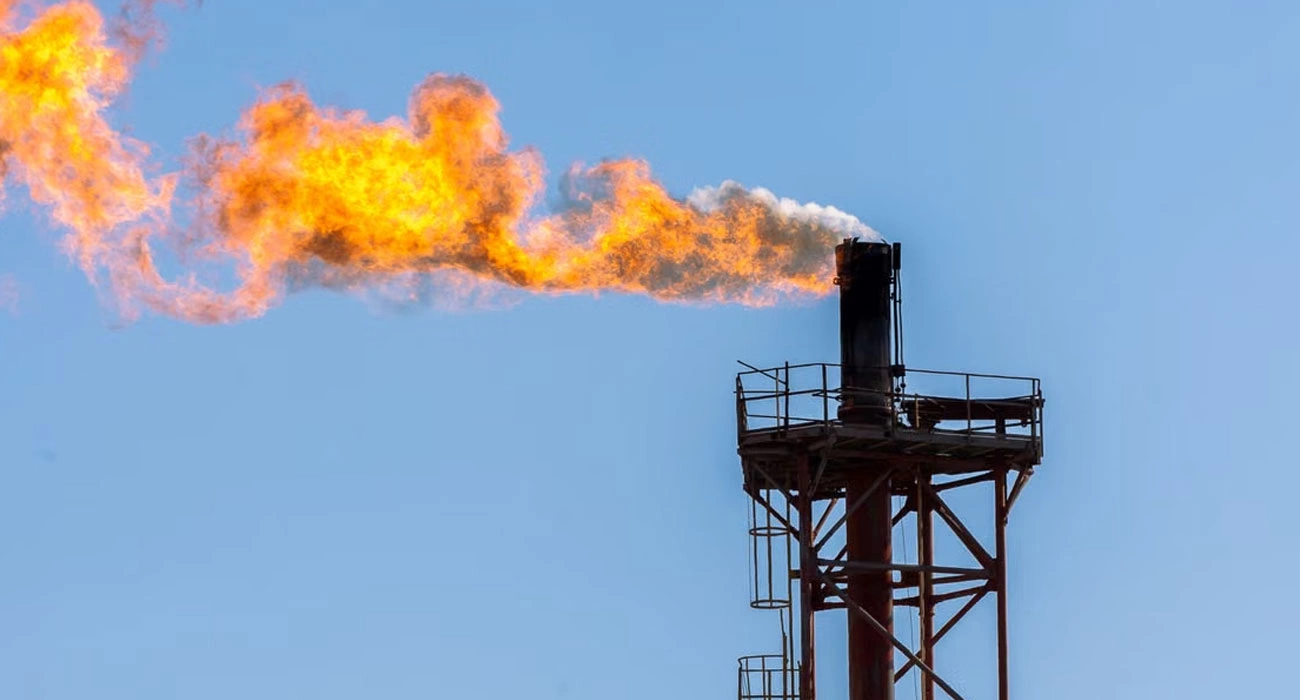
Superpollutants: A Practical Climate Opportunity for Business
Exploring actionable opportunities in reducing superpollutants for immediate climate action.
The Pollutants Beyond Carbon Dioxide
Superpollutants are a group of pollutants that contribute significantly to short-term climate warming and include methane, black carbon, nitrous oxide, ground-level ozone, and certain high-warming refrigerants. Unlike carbon dioxide, which has a long atmospheric lifetime, these substances have a much more potent impact on global warming over a shorter timeframe. Addressing superpollutants can lead to substantial climate benefits in the near term, making them an immediate concern for businesses aiming to enhance their sustainability practices.
The differentiation between superpollutants and carbon dioxide is crucial for businesses seeking effective strategies for climate action. By focusing on both types of emissions, companies can create a more comprehensive climate action strategy that addresses both immediate and long-term environmental impacts. This approach allows organizations to engage more directly with climate action, making it a part of their operational practices rather than a distant goal.
Why the Business Case Is Immediate
The connection between superpollutants and business operations is clear. Emissions from methane leaks, inefficient cooling systems, and poor agricultural practices not only contribute to climate change but can also lead to increased operational costs and potential regulatory penalties. By addressing these emissions, businesses can enhance energy efficiency, reduce costs, and improve public health outcomes. This immediate business case highlights the importance of integrating superpollutant reduction into core business strategies.
Furthermore, investing in technologies and practices that reduce superpollutants can improve supply chain resilience. Companies that proactively manage these emissions are better positioned to adapt to evolving regulations and consumer expectations regarding sustainability. Therefore, the case for action is not only about compliance but also about seizing a competitive advantage in a rapidly changing market.
The fastest climate gains may begin with problems businesses can already fix.— Editorial Insight
Where Solutions Already Exist
Solutions for reducing superpollutants are already available and can be integrated into existing business practices. For instance, methane leak detection technologies can help companies identify and repair leaks in real-time, significantly reducing emissions from fossil fuel operations. Additionally, gas recovery systems, such as those used in landfills and wastewater treatment plants, can capture methane before it enters the atmosphere.
Refrigerant management is another critical area where companies can make significant progress. By adopting best practices for the handling and disposal of refrigerants, businesses can limit the release of potent greenhouse gases. Furthermore, agricultural practices such as alternate wetting and drying in rice cultivation can reduce nitrous oxide emissions while maintaining productivity. These solutions demonstrate that actionable changes are not only feasible but can also lead to substantial climate benefits.
Facts & Insights
- Superpollutants include methane, black carbon, nitrous oxide, ground-level ozone, and certain high-warming refrigerants.
- Reuters reported that companies including Amazon, Google, and JPMorgan Chase were among those associated with a $100 million commitment announced earlier in 2026 to address superpollutants through 2030.
- The International Energy Agency analysis cited by Reuters indicates that around 70% of methane emissions from fossil-fuel operations could be abated with existing technology.
Turning Available Solutions into Measurable Progress
The transition to a lower-carbon economy will require long-term investment, policy change, and transformation across major industries. Yet companies do not have to wait for every part of that transition to be complete before addressing emissions that can be reduced today. Superpollutant reduction offers a practical complement to wider climate strategies, provided that commitments lead to measurable and verified action.
By examining the business decisions behind environmental progress, organizations can highlight how leadership is increasingly judged not only by ambition but by the ability to turn available solutions into meaningful results. Monitoring, verification, and transparency are essential components in ensuring that commitments translate into genuine progress, ultimately benefiting both the climate and a company's bottom line.
$100M
Reported corporate commitment
2030
Target year for the initiative
70%
Estimated share of fossil-fuel methane emissions that could be abated with existing technology
0.2°C
Estimated warming avoided by 2050 through proven methane-reduction measures
Categories
Tagged in this story
Image sources
Pexels - Photo by Yerevan Malerva