
Uzbekistan’s New Cultural Chapter: How Contemporary Art Is Giving Heritage a Future
Written by Admin • 2026-10-09 01:34:00
Topics
A restored 1912 power station is becoming a contemporary cultural landmark in Tashkent, connecting Uzbekistan's industrial heritage with new artistic expression and international exchange.
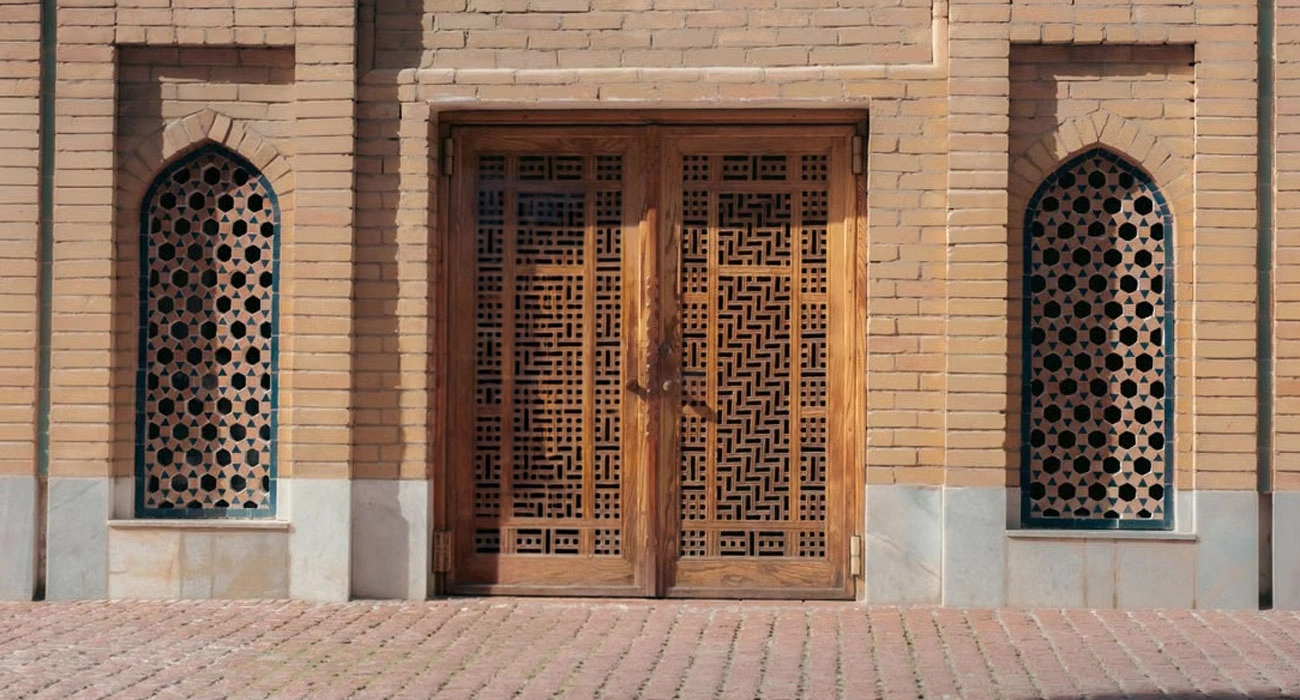
Uzbekistan’s New Cultural Chapter
How Contemporary Art Is Giving Heritage a Future
From Industrial Infrastructure to Cultural Space
In Tashkent, a former power station dating back to 1912 has undergone a remarkable transformation into the Centre for Contemporary Arts (CCA). This adaptive reuse project illustrates how historic buildings can be preserved while acquiring a new purpose. By maintaining the original character of the power station, the CCA not only honors its industrial heritage but also provides a modern venue for artistic expression. The integration of contemporary design with the building’s historical features creates a dynamic space that encourages cultural dialogue and artistic experimentation.
This trend of adaptive reuse is gaining momentum globally as cities seek to balance the preservation of their architectural history with the need for functional spaces in contemporary society. The CCA serves as a model for how such projects can breathe new life into old structures, making them relevant to today's cultural landscape and accessible to the public.
A New Home for Contemporary Art
The Centre for Contemporary Arts is designed to be more than just an exhibition space; it is a hub for artistic experimentation and cultural exchange. The CCA hosts a variety of installations and exhibitions that showcase both local and international artists, thereby fostering a rich dialogue between different art forms and cultural backgrounds. Inside, visitors can experience a blend of traditional and modern artistic expressions, creating a unique environment that reflects the evolving identity of Uzbekistan.
Furthermore, the CCA provides opportunities for local artists to engage with global art movements, enhancing their visibility and potential for collaboration. As a result, the centre not only enriches the Tashkent art scene but also contributes to the broader narrative of Uzbekistan's cultural development on the international stage.
A historic building can become a platform for new cultural conversations.— Editorial Perspective
Beyond One Building: A Wider Cultural Ambition
The CCA is part of a larger initiative aimed at enhancing Uzbekistan's cultural visibility. Alongside the Centre, projects like the Bukhara Biennial and a planned national museum designed by renowned architect Tadao Ando are paving the way for a vibrant cultural ecosystem. This network of institutions aims to position Uzbekistan as a key player in the contemporary art scene of Central Asia, facilitating international exhibitions and cultural exchanges that elevate the national narrative.
By promoting artistic engagement and collaboration, these initiatives not only strengthen the local art community but also attract global attention to Uzbekistan's artistic heritage. The CCA, therefore, is not just a standalone venture; it represents a crucial part of a broader cultural strategy that connects the past with the future.
Facts & Insights
- The Centre for Contemporary Arts in Tashkent occupies a restored 1912 generator station originally designed by Wilhelm Heinzelmann.
- The restored building combines its original industrial architecture with contemporary design by French architectural firm Studio KO.
- The CCA forms part of a broader cultural-development effort that includes the Bukhara Biennial and a planned national museum designed by Tadao Ando.
1912
Original building date
2026
CCA inauguration
1
Restored industrial building given a new cultural role
3
Cultural examples in the wider development story: CCA, Bukhara Biennial, and planned national museum
Heritage Is Not Only What We Preserve
The opening of Tashkent's Centre for Contemporary Arts illustrates how heritage can remain relevant when it is given a meaningful role in the present. Restoring a historic building preserves more than its physical structure; it can also create a setting in which new work, new audiences, and new cultural conversations emerge. For artists, such institutions can offer opportunities to experiment and reach wider audiences, while for visitors they provide another way to understand a city's changing identity.
The long-term value of the CCA will depend on the creative work and public engagement it sustains over time, rather than architecture alone. For Uzbekistan, this project offers a compelling example of cultural development that connects the past with the future—not by freezing history in place, but by allowing it to participate in contemporary life.
Categories
Tagged in this story
Image sources
Pexels - Photo by Talha Kılıç