
Water Access Is Also a Question of Equality
Written by Admin • 2026-10-29 01:01:00
The UN World Water Development Report 2026 highlights the unequal burden of water collection and the need for women’s participation in water governance. Reliable water access is essential to health, education, and economic opportunity.
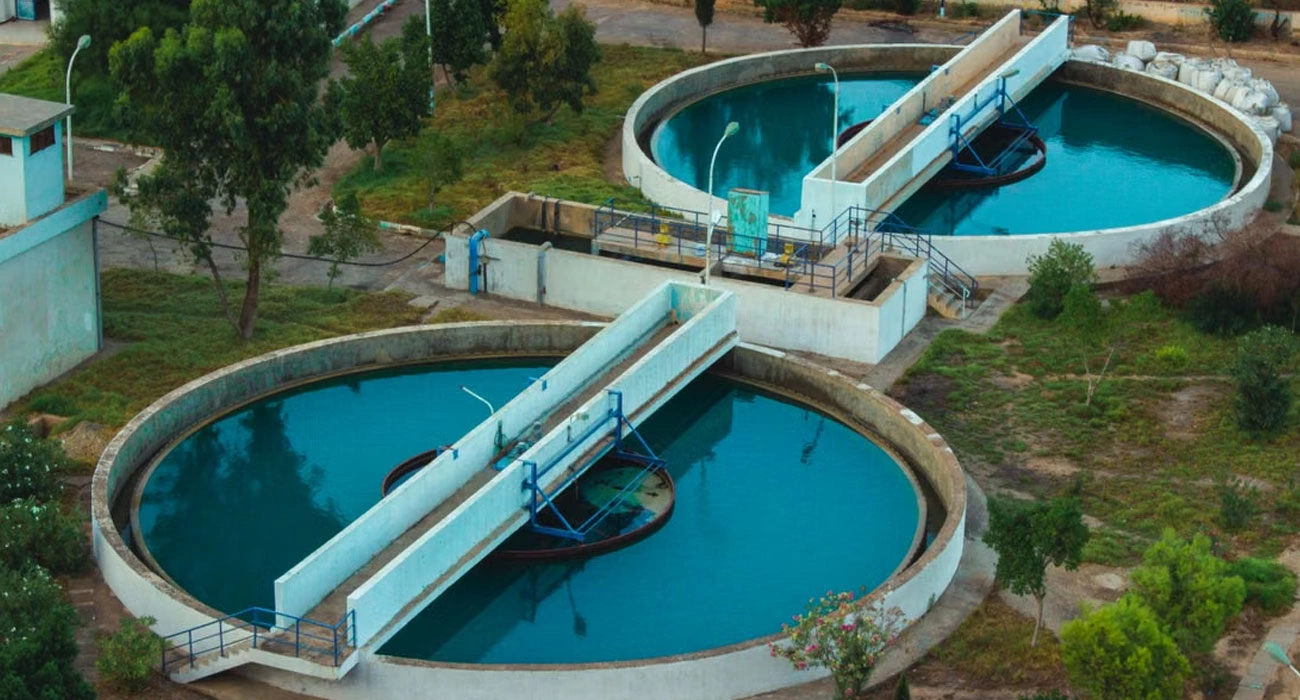
Water Access and Gender Equality: What the UN Report Reveals
Exploring the Intersection of Water Access and Equality
The Inequitable Landscape of Water Access
Water access is not merely an infrastructural challenge but a complex issue intertwined with gender dynamics, decision-making power, and household responsibilities. In many communities, women and girls are primarily responsible for collecting water, which significantly impacts their time, education, and economic opportunities. The UN's 2026 World Water Development Report emphasizes that 2.1 billion people globally lack safely managed drinking water, highlighting the urgent need for a comprehensive approach to water governance that considers gender equity.
The report reveals staggering statistics: women and girls collectively spend an estimated 250 million hours daily collecting water. This time burden not only limits their participation in education and work but also reinforces existing inequalities. Addressing water access through a gender lens unveils critical dimensions of social inclusion and the necessity for women to have a seat at the table in water governance discussions.
Water as a Foundation for Equality
Water is a vital resource that supports various aspects of life, including health, education, and economic activity. However, the lack of reliable water access disproportionately affects women and girls, who often bear the responsibility of water collection. When water is scarce or unsafe, it exacerbates inequalities in community engagement, educational attainment, and overall well-being. The UN report emphasizes that improving access to safe and reliable water must align with efforts to enhance women's roles in decision-making processes.
The report calls for a shift in perspective, urging stakeholders to view water access not just as a technical issue but as a question of rights and opportunities. Governments, businesses, and organizations must prioritize inclusive planning that reflects the voices and needs of those most affected by water decisions. By creating pathways for women to participate in water governance, we can ensure that infrastructure investments lead to lasting benefits for communities.
Water security must include equal rights, meaningful participation and opportunities for everyone.— UN World Water Development Report 2026
Facts & Insights
- Global access gap: The 2026 UN report states that 2.1 billion people lack safely managed drinking water.
- Time burden: Women and girls spend an estimated 250 million hours every day collecting water, according to the report.
- Governance gap: The report highlights women’s underrepresentation in water governance, leadership and technical roles.
2026
Year of the UN World Water Development Report
19 Mar
Publication date
2.1 B
People without safe drinking water
250 M
hours/day: Time spent by women and girls collecting water
Categories
Tagged in this story
Image sources
Pexels - Photo by Amine KM