
When Biodiversity Becomes Part of the Tourism Business Model
Written by Admin • 2026-10-06 01:15:00
Topics
Tourism businesses are beginning to treat biodiversity as part of the product itself, developing practical ways to protect the ecosystems that make destinations attractive in the first place.
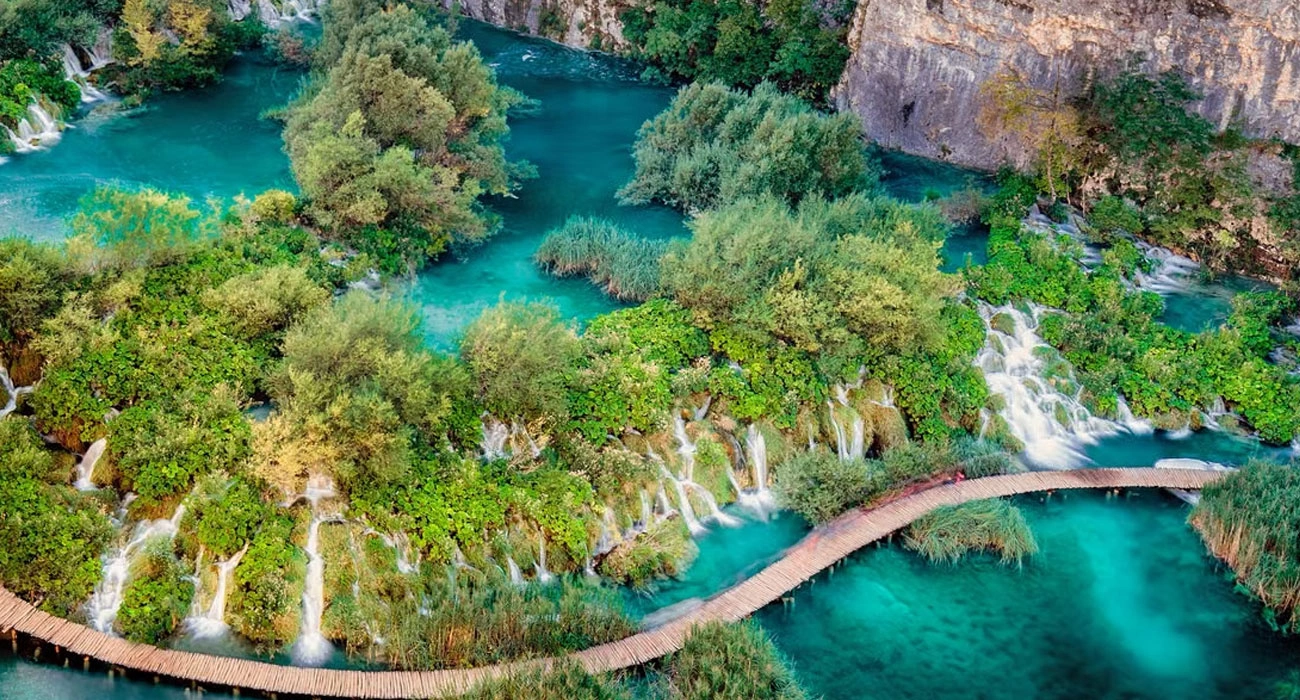
Why Biodiversity Is Becoming Part of the Tourism Business Model
Tourism businesses are beginning to treat biodiversity as part of the product itself, developing practical ways to protect the ecosystems that make destinations attractive.
Nature Is Part of the Tourism Product
For tourism businesses, nature is more than a backdrop. Forests, coastlines, wildlife, landscapes, and healthy ecosystems are often the very assets that attract visitors in the first place. The relationship between biodiversity and tourism destinations is profound; vibrant ecosystems not only enhance the beauty of a location but also contribute to the unique experiences that travelers seek. As such, the tourism industry is recognizing that its sustainability is directly tied to the health of these natural environments, making biodiversity a core component of their offerings.
The integration of biodiversity into tourism is not merely a marketing strategy; it reflects a growing understanding that the preservation of natural assets is crucial for sustaining the industry. As travelers become more environmentally conscious, they are increasingly drawn to destinations that prioritize biodiversity. This shift in consumer preferences is prompting tourism businesses to rethink their operations and consider how their activities impact the ecosystems they rely on.
From Sustainability Statements to Operational Measures
The transition from sustainability statements to actionable measures is evident in the tourism sector. Companies are beginning to measure their environmental impacts, moving beyond vague commitments to concrete actions. This shift involves assessing how operations—such as food and beverage services, hotel locations, and activities—affect local ecosystems. By adopting a more analytical approach, tourism businesses can identify areas where they can reduce their ecological footprint and enhance their contributions to biodiversity.
Futouris' initiative exemplifies this change. The second phase of its Biodiversity in Tourism: Preserve to Experience project, launched in September 2026, moves from analysis toward practical implementation, allowing companies to gauge their biodiversity impact and make informed decisions. This transformation indicates a broader trend in the industry, as businesses recognize the importance of integrating biodiversity into their operational frameworks.
Five Pilot Businesses, One Industry Question
A collaborative effort among five pilot companies—including members of DERTOUR Group, schauinsland-reisen, and Visit Finland—aims to test practical biodiversity measures. This project, running from April 2026 through the end of 2027, seeks to establish guidelines and tools that can be utilized across the tourism industry. These pilot businesses are exploring how to implement specific biodiversity initiatives that not only enhance their operations but also contribute to the conservation of local ecosystems.
The goal of these pilot programs is to create a comprehensive biodiversity framework that can be adopted by other tourism entities. By sharing insights and experiences, these businesses hope to lead the way toward a more nature-positive tourism model that values biodiversity as a vital asset.
Food, Hotels and Destination Activities
Biodiversity risks in tourism operations can manifest in various ways, particularly in food and beverage services. Sourcing ingredients locally and sustainably not only reduces the carbon footprint associated with transportation but also supports local ecosystems. Hotels and resorts are encouraged to adopt sustainable practices that minimize their impact on surrounding environments, such as using eco-friendly materials and engaging in conservation efforts. Tour operators can also play a significant role by offering activities that promote biodiversity, such as guided nature tours or wildlife conservation projects.
By implementing these sustainable practices, the tourism industry can mitigate its potential negative impacts on biodiversity while enhancing the overall visitor experience. As more businesses embrace these changes, the tourism sector is poised to become a driving force in the conservation of natural resources.
Protecting the Asset That Tourism Depends On
The business case for protecting biodiversity is compelling. Healthy ecosystems not only attract visitors but also ensure the long-term viability of tourism destinations. By recognizing biodiversity as a critical asset, tourism businesses can enhance their value proposition and foster sustainable practices that contribute to the resilience of both the environment and the economy. This perspective aligns with the growing movement toward sustainable travel business models that prioritize ecological health.
Ultimately, the tourism industry must acknowledge that its success relies on the preservation of natural environments. Initiatives such as Futouris' biodiversity project represent a significant step toward integrating biodiversity into everyday business decisions. If the industry can successfully transition from pilot projects to comprehensive operational strategies, it may well set a new standard for sustainable tourism that safeguards the landscapes, ecosystems, and communities that define our travel experiences.
Preserve to Experience.— Core principle of Futouris' Biodiversity in Tourism industry project. Futouris e.V.
Facts & Insights
- Futouris launched the second phase of its biodiversity tourism project in September 2026.
- Five pilot companies are testing practical biodiversity measures across tourism operations.
- The project is scheduled to run from April 2026 through the end of 2027 and aims to produce tools and guidelines for wider industry use.
5
Pilot companies
2
Project modules
2026–2027
Project period
1
Industry-wide biodiversity framework in development
Categories
Tagged in this story
Image sources
Pexels - Photo by Руслан Кальницкий