
When Entertainment Becomes Part of the Climate Conversation
Written by Admin • 2026-10-06 01:10:00
The entertainment industry is increasingly being asked to do two things at once: tell better climate stories and change the way those stories are produced. UN Climate Change's new strategy places cultural influence at the heart of climate action while urging creative industries to adopt sustainable practices.
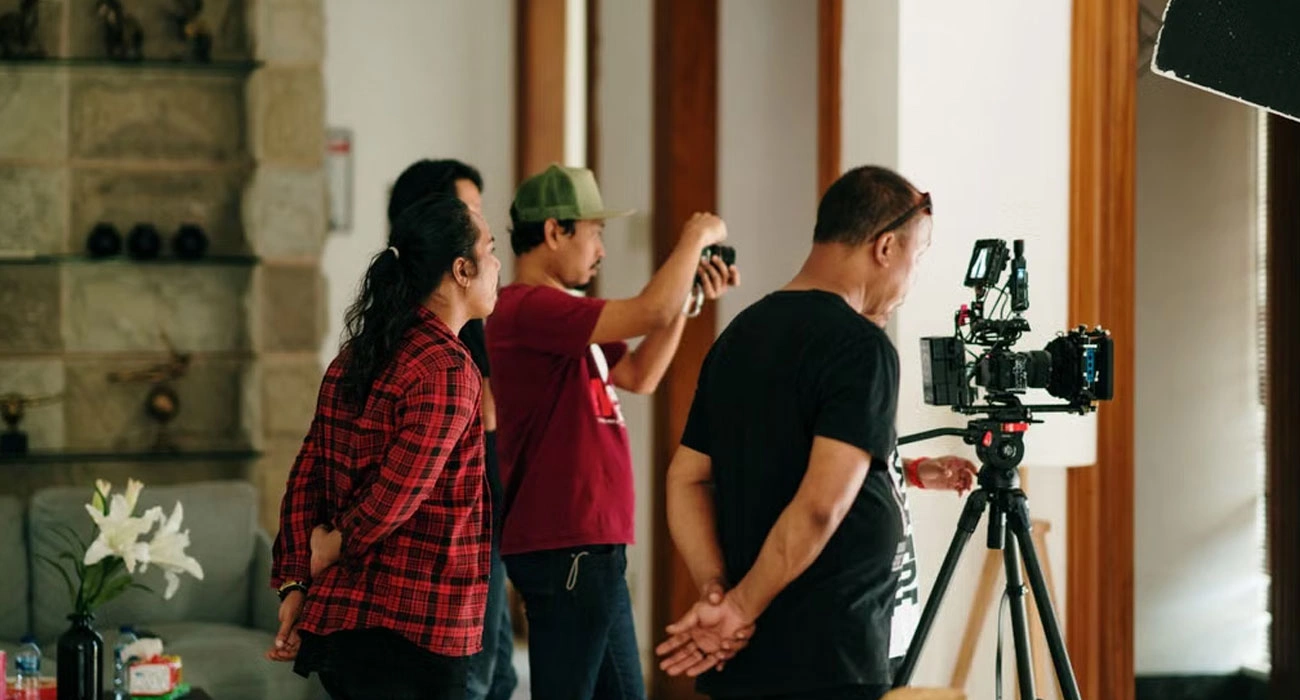
How Entertainment Is Becoming Part of Global Climate Action
Exploring the intersection of culture and sustainability in the creative industries.
Why Climate Needs Better Stories
The role of entertainment in shaping public perception and understanding of climate change is critical. Films, music, and visual arts have the unique ability to evoke emotions and provoke thought, turning complex environmental issues into relatable narratives. By engaging audiences through storytelling, the entertainment industry can foster a deeper awareness of climate issues, encouraging individuals to take action. As more creators recognize their potential influence, the stories they tell can inspire public conversation and drive societal change, making climate action a shared responsibility across various sectors.
Moreover, as viewers and listeners become more aware of the environmental challenges we face, they are increasingly demanding content that reflects their values. This shift in audience expectations presents a unique opportunity for creators to align their work with sustainability principles. By embedding climate narratives into their projects, artists can not only entertain but also educate their audiences, ultimately contributing to a more informed and proactive society regarding climate action.
Culture as a Climate Industry
While storytelling is vital, the creative industries must also address their own environmental impact. The production of films, music events, and art installations often involves significant resource consumption and waste generation. Embracing sustainable practices in these areas is essential for reducing the industry's carbon footprint. This includes everything from using renewable energy sources on film sets to minimizing waste at concerts and adopting eco-friendly materials in art production.
By transforming their operational frameworks, creative industries can lead by example. Sustainable film production, for instance, not only mitigates environmental impact but also sets a standard for other sectors to follow. As the culture industry shifts towards sustainability, it can inspire audiences to reflect on their own consumption habits and motivate them to engage in climate action.
The ECCA 2026–2030 Strategy
Launched during Climate Week NYC on 24 September 2026, the ECCA strategy aims to connect the global creative community with the Paris Agreement process. This initiative will focus on three main functions: convening a global community of artists and creators, linking cultural endeavors to climate commitments, and championing storytelling that fosters decarbonisation across creative sectors. By aligning cultural practices with climate goals, ECCA seeks to establish a more collaborative approach to tackling climate challenges through the lens of creativity.
The ECCA strategy exemplifies a holistic approach to climate action, where culture not only serves as a communication tool but also as a vital player in the transition towards sustainability. By recognizing the power of art and storytelling, the initiative encourages creative industries to actively participate in the global climate conversation, ensuring that their contributions are both meaningful and impactful.
What Liverpool Has Already Tested
Liverpool has taken significant strides as the first ECCA Accelerator City, piloting nine decarbonisation projects across live music and screen production. These projects aim to explore innovative methods for reducing the carbon footprint of cultural events while promoting sustainable practices among artists and venues. By implementing these initiatives, Liverpool serves as a model for other cities seeking to integrate sustainability into their cultural ecosystems.
The city's experience demonstrates that decarbonisation in the creative industries is not only possible but also beneficial. By fostering collaboration between various stakeholders—from artists to local authorities—Liverpool is paving the way for a new understanding of how culture and climate action can coexist. The lessons learned from these pilot projects will inform future efforts and inspire other cities to adopt similar approaches.
Culture (film and television, music, visual arts, gaming and beyond) is the most trusted, most watched, most listened-to channel.— UN Climate Change, ECCA Declaration, 2026.
Facts & Insights
- UN Climate Change launched the ECCA 2026–2030 strategy during Climate Week NYC on 24 September 2026.
- ECCA's initial dedicated workstreams cover film and television, music and visual arts.
- Liverpool, the first ECCA Accelerator City, piloted nine decarbonisation projects across live music and screen production.
2026–2030
ECCA strategy
3
Initial creative workstreams
9
Liverpool pilot projects
1
Accelerator City
film production behind the scenes
Culture Can Change the Story—and the System
The relationship between culture and climate action is becoming more sophisticated. Creative industries are not only powerful channels through which people encounter ideas; they are also large production ecosystems with their own environmental footprints. The ECCA strategy brings those two dimensions together by encouraging storytelling that engages audiences while supporting practical decarbonisation across creative sectors. Liverpool's experience demonstrates how such ambitions can move from principle into experiments involving venues, productions, transport and infrastructure.
As the cultural sector continues to influence how societies imagine the future, its contribution to climate action may increasingly be measured not only by the stories it tells, but also by the systems it helps create. For BritishPEDIA, that makes the evolution of ECCA an important example of how creativity can become part of a wider global transformation.
Categories
Tagged in this story
Image sources
Pexels - Photo by Kudung Setiawan