
When Fungi Become Artists, Musicians and Cultural Storytellers
Written by Admin • 2026-10-01 01:28:00
A new exhibition in Exeter is turning fungi into music, sculpture, and contemporary art, revealing how one of nature's most mysterious kingdoms is becoming a cultural subject. Living Labyrinths showcases the intersection of art, science, and storytelling, inviting audiences to explore the rich narratives embedded in the fungal world.
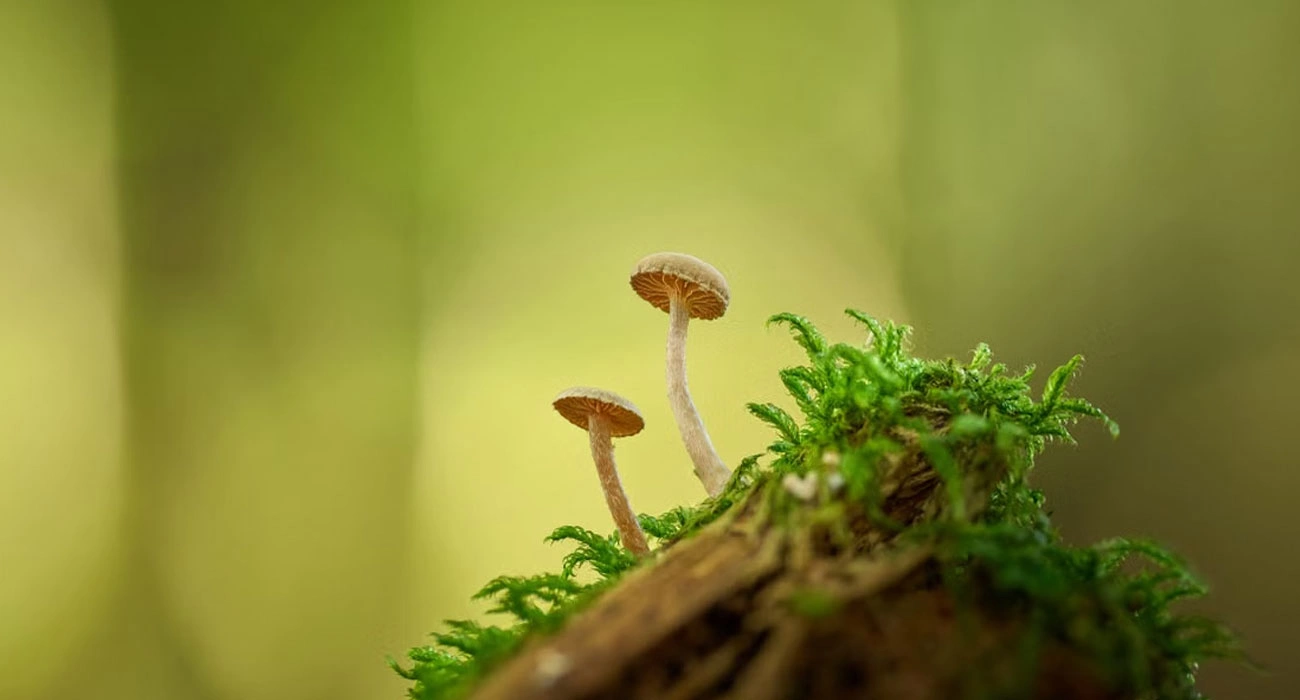
When Fungi Become Artists, Musicians and Cultural Storytellers
Exploring the intersection of fungi, art, and culture
Why Are We Suddenly Fascinated by Fungi?
Fungi rarely occupy the centre of popular culture. Yet beneath forests, inside soil and across decaying organic matter, they form one of nature's most complex networks. Now, artists and musicians are beginning to treat that hidden world as a source of cultural inspiration. With their unique biological processes and ecological significance, fungi are being explored not just as scientific subjects but as integral parts of our cultural storytelling.
Recent attention has shifted towards fungi, prompting a deeper examination of their role in nature and culture. This newfound fascination is evident in contemporary art and music, where fungi are increasingly featured as subjects that challenge our understanding of life and connection. As we delve into this complex ecosystem, we uncover layers of meaning that resonate with our human experiences.
Turning Electrical Signals Into Music
Living Labyrinths, a new exhibition opening in Exeter in October 2026, brings together contemporary art, scientific exploration, and cultural history to examine humanity's fascination with fungi. Among its most unusual elements is a soundscape created from electrical signals generated by fungi, crafted by musician Jason Singh using biofeedback sensors. This innovative approach not only showcases the artistic potential of fungi but also highlights their hidden vibrational life.
The soundscape invites audiences to listen to the otherwise inaudible world of fungi, transforming their electrical signals into a unique auditory experience. By blending science and art, this exhibition encourages a fresh appreciation for these organisms, prompting viewers to rethink their relationship with nature. Through music, fungi become storytellers, conveying messages of connection and survival.
From Beatrix Potter to Contemporary Art
The exhibition also features historical material connected to Beatrix Potter's work in mycology, showcasing her early contributions to our understanding of fungi. By highlighting her watercolours alongside contemporary works by artists like Jo Pearl and Gemma Anderson-Tempini, Living Labyrinths underscores the continuity of artistic engagement with fungi through the ages. This juxtaposition reveals how fungi have inspired generations of artists, bridging the gap between art and scientific inquiry.
From nostalgic representations to modern interpretations, fungi serve as a rich source of artistic inspiration. The exhibition not only celebrates the beauty of these organisms but also invites discussions on ecological history and our evolving relationship with the natural world. Thus, it becomes a platform for dialogue about the significance of fungi in both art and science.
A cultural world of fungi.— The Guardian, September 2026
Where Science and Creativity Meet
The Living Labyrinths exhibition is a testament to how art can make scientific subjects accessible through sensory and emotional experiences. It demonstrates how creativity can change the way audiences understand the natural world. By translating fungal signals into music and biological processes into visual art, artists are crafting a narrative that resonates deeply with viewers.
Moreover, the exhibition encourages audiences to reconsider organisms that are often overlooked, despite their importance to ecosystems. This intermingling of science and creativity not only broadens our appreciation of fungi but also fosters a deeper understanding of their ecological roles and the stories they embody.
Facts & Insights
- Living Labyrinths opens at the Royal Albert Memorial Museum & Art Gallery in Exeter on 3 October 2026 and runs until 21 February 2027.
- Musician Jason Singh created a soundscape by converting electrical signals from fungi into music using biofeedback sensors.
- The exhibition combines contemporary installations with historical material connected to Beatrix Potter's work in mycology.
5
Months Exhibition Run
2026
Contemporary Works
1
Museum Exhibition
3+
Artistic Disciplines
Listening to the Hidden World
The fascination with fungi reflects something larger than a passing cultural trend. These organisms challenge familiar ideas about individuality, communication, and life itself, making them fertile territory for artists as well as scientists. By translating fungal signals into music and scientific history into cultural storytelling, Living Labyrinths demonstrates how creativity can change the way audiences understand the natural world.
The exhibition also reminds us that inspiration does not always come from the most visible parts of nature. Sometimes, the most extraordinary stories are happening quietly beneath our feet — waiting for someone to find a new language for telling them.
Categories
Tagged in this story
Image sources
Pexels - Photo by Tommes Frites