
When Heritage Becomes a Living Economy: Uganda’s New Model for Sustainable Tourism
Written by Admin • 2026-09-30 01:55:00
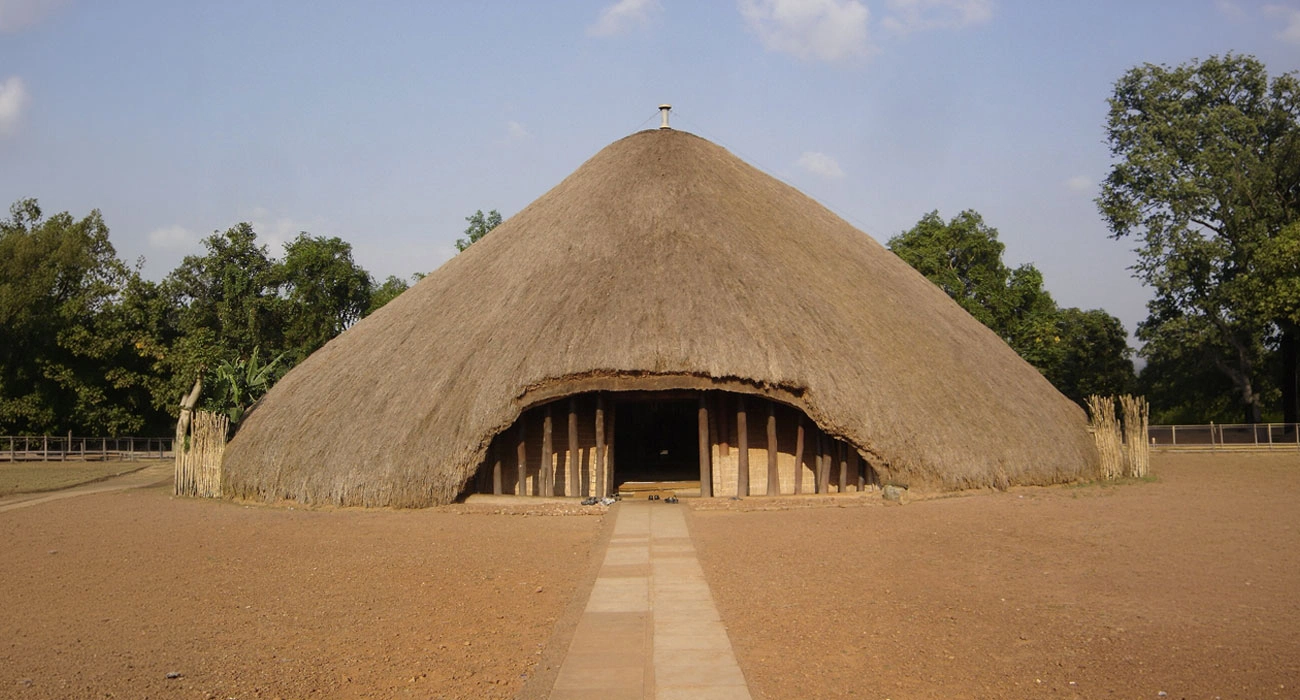
Uganda is exploring a more community-centred model of heritage tourism, linking the restoration of the Kasubi Tombs and conservation of the Rwenzori Mountains with sustainable tourism and local livelihoods.
When Heritage Becomes a Living Economy: Uganda’s New Model for Sustainable Tourism
Exploring the intersection of community, culture, and conservation in Uganda's tourism landscape.
From Restoration to the Next Chapter
The recovery of the Kasubi Tombs after the devastating fire in 2010 marked a significant turning point in Uganda’s cultural heritage narrative. Once listed as a UNESCO World Heritage site in danger, significant restoration efforts led to its removal from the danger list in 2023. This recovery not only emphasizes the importance of preserving cultural sites but also highlights the potential of these places to become vibrant hubs for community engagement and sustainable tourism. As Uganda moves forward, the focus is on ensuring that these historic sites serve as living entities that connect visitors with local culture and history.
The restoration of the Kasubi Tombs is not just a story of rebuilding but also one of resilience and community involvement. The local communities have played an integral role in the restoration process, ensuring that the cultural significance of the site is maintained. This community-centric approach is now being replicated in the Rwenzori Mountains, where initiatives aim to entwine local livelihoods with heritage conservation, creating a sustainable model for tourism that benefits both visitors and residents alike.
Tourism as a Tool for Conservation
Visitor management has become a crucial aspect of conservation efforts in Uganda. The new initiatives at both the Kasubi Tombs and Rwenzori Mountains aim to balance the influx of tourists with the need to protect these invaluable cultural and natural resources. By integrating visitor management strategies with conservation efforts, Uganda is setting a precedent for how tourism can contribute to the long-term protection of heritage sites. This model encourages responsible tourism practices that not only minimize environmental impact but also enrich the visitor experience.
As part of these initiatives, educational programs are being developed to foster a sense of stewardship among visitors. This not only enhances their understanding of the sites they visit but also encourages them to participate actively in preservation efforts. By framing tourism as a collaborative effort between visitors and local communities, Uganda is redefining the narrative around heritage tourism, positioning it as a dynamic force for conservation.
Letting Communities Tell Their Own Stories
The Rwenzori Mountains initiative places a strong emphasis on cultural storytelling, allowing local communities to share their narratives with visitors. This approach not only enriches the tourist experience but also empowers community members by valuing their cultural knowledge and heritage. Oral histories and cultural mapping are integral components of this initiative, providing a platform for locals to express their identities and traditions while engaging with tourists.
By encouraging community participation in storytelling, Uganda is enhancing the authenticity of the tourism experience. Visitors are not just passive observers; they are active participants in a living narrative that connects them to the culture and history of the region. This strategy not only fosters a deeper appreciation of the heritage but also helps to sustain it by creating economic opportunities for local residents.
How can we save World Heritage while enabling people to understand it, to experience it, and to benefit from it sustainably?— Judith Wanjiku Ogana, UNESCO Regional Office for Eastern Africa.
From Visitors to Heritage-Based Livelihoods
The initiatives in Uganda illustrate how tourism can create pathways for economic empowerment among local communities. By integrating tourism with cultural preservation, artisans, guides, young people, and women are finding new ways to engage with visitors and share their heritage. This shift towards community-based tourism creates sustainable livelihoods that not only support families but also foster a sense of pride and ownership over local culture.
As tourism evolves, the focus on heritage-based livelihoods is becoming increasingly important. By investing in local capacity building and promoting cultural heritage, Uganda is creating a model for how tourism can contribute to social and economic empowerment. This holistic approach ensures that the benefits of tourism reach the very communities that preserve and protect these cultural treasures.
Facts & Insights
- Uganda is home to three UNESCO World Heritage properties: the Kasubi Tombs, Rwenzori Mountains National Park and Bwindi Impenetrable National Park.
- Kasubi was removed from UNESCO's List of World Heritage in Danger in 2023 after major restoration and conservation progress following the 2010 fire.
- The new Rwenzori initiative includes cultural mapping, oral histories, community storytelling and capacity building for community-based tourism.
3
UNESCO World Heritage Sites
2
New UNESCO-Supported Initiatives
24
Months of Project
$225K
Kasubi Project Budget
When Visitors Become Part of the Story
The future of sustainable tourism may depend on a simple shift in perspective: destinations are not products created solely for visitors, but living places shaped by communities, culture, and natural landscapes. Uganda's work around Kasubi and the Rwenzori Mountains illustrates how tourism can become part of that ecosystem when local knowledge, conservation, and economic opportunity are considered together. For travellers, this creates a richer experience; for communities, it can create new pathways to protect heritage while generating livelihoods.
Categories
Tagged in this story
Image sources
Oleh not not phil from SF, CA, US - Kampala Kasubi Tombs, CC BY-SA 2.0, https://commons.wikimedia.org/w/index.php?curid=9762848