
Why the Stories of Two Teenagers Still Matter 70 Years Later
Written by Admin • 2026-06-24 03:08:00
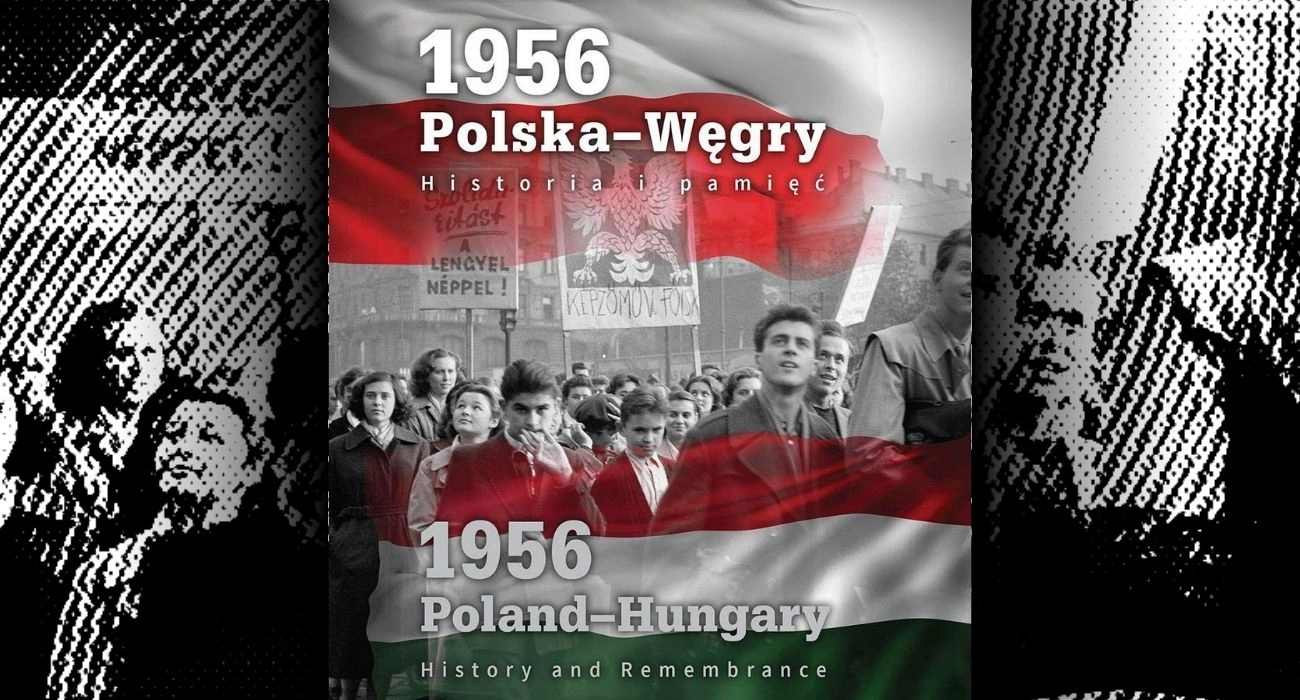
When History Became Personal
Seventy years after the events of 1956, the stories of two young lives continue to remind Poland and Hungary that history is remembered not only through events, but through the people who lived them.
A Summer That Changed Poznań
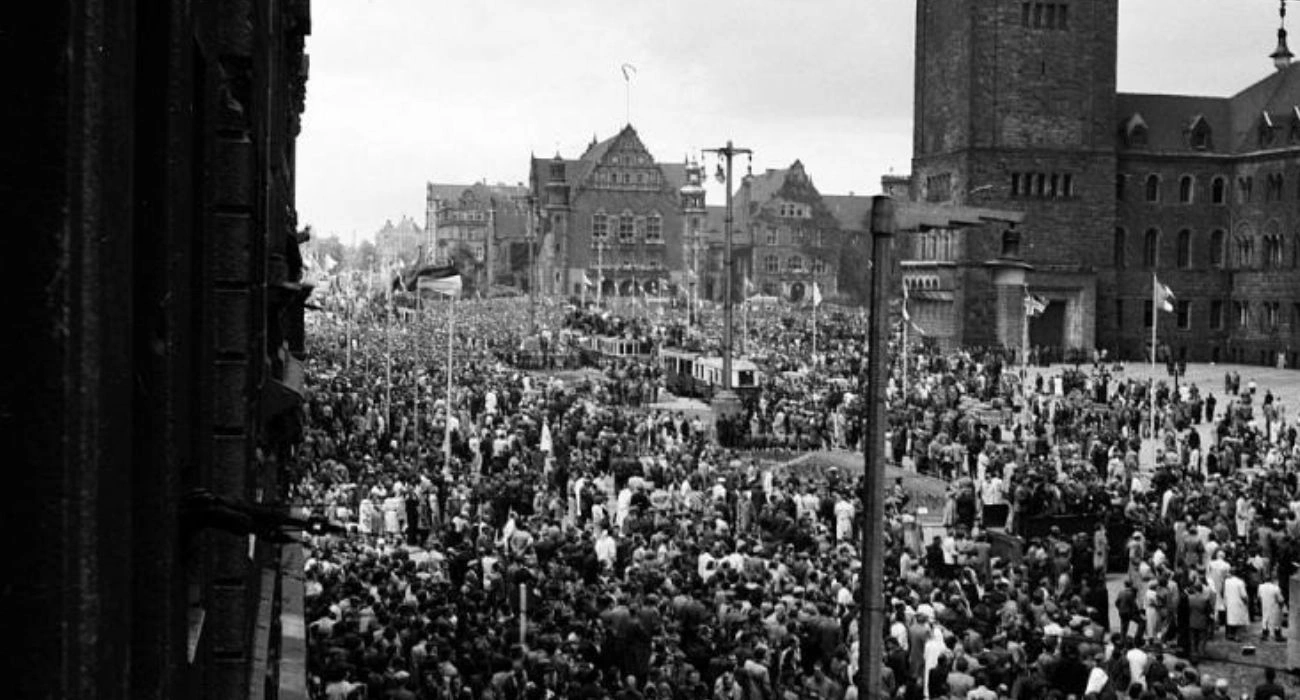
On 28 June 1956, workers at the Cegielski factory in Poznań began a strike demanding better wages, fairer working conditions, and greater respect for ordinary citizens. What started as an economic protest quickly evolved into one of the most significant social uprisings in postwar Poland.
As thousands of residents joined demonstrations across the city, tensions escalated rapidly. The authorities responded by deploying military units, security forces, and tanks. Within hours, streets that had been part of everyday life became scenes of confrontation and uncertainty.
For two days, Poznań was transformed into a city marked by fear, resistance, and confusion. The events would leave a lasting imprint on local and national memory for decades to come.
The Boy Who Became a Symbol
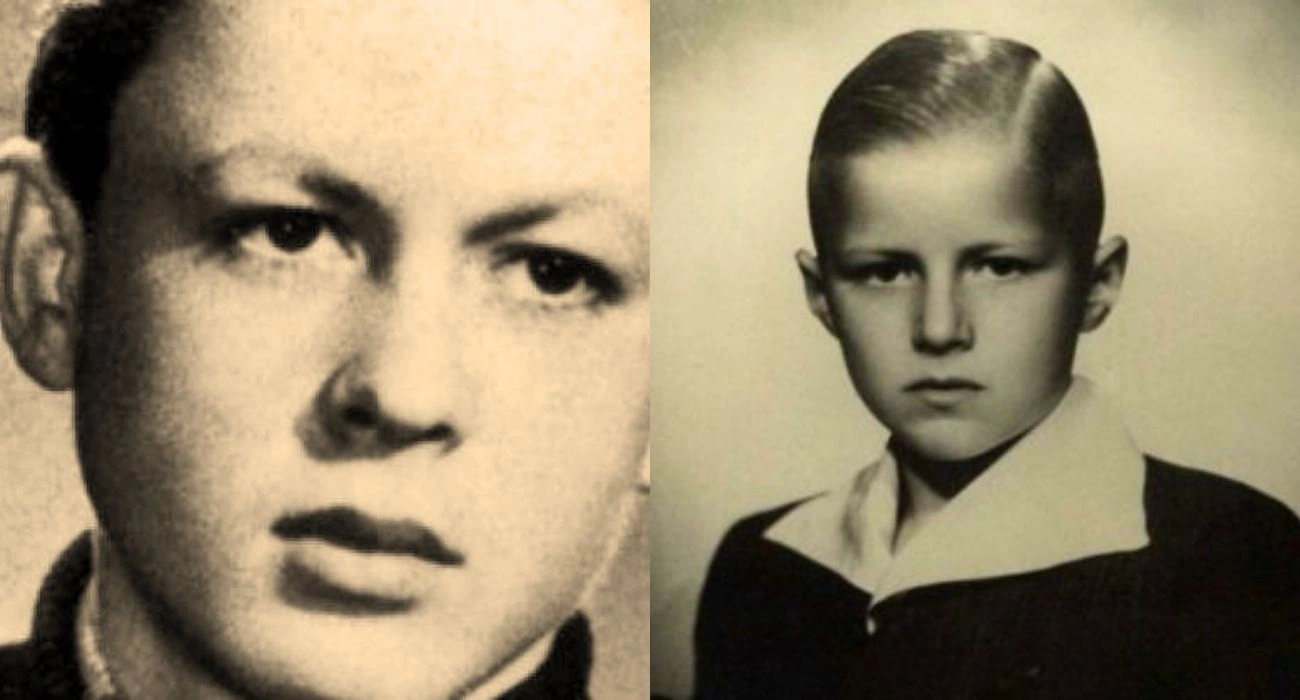
Among those caught in the turmoil was Romek Strzałkowski, a thirteen-year-old boy whose name would later become one of the most recognizable symbols of the Poznań June uprising.
Romek was not a political activist or an organized participant in the protests. Like many young residents, he simply found himself present during a moment of extraordinary upheaval. During the violence that unfolded in the city, he was fatally wounded and became one of the youngest victims of the crackdown.
Over time, his story came to represent something larger than politics. For many people, Romek symbolizes the moment when historical conflict extends beyond institutions and ideologies, reaching ordinary families and innocent lives.
A Collective Tragedy
While Romek's story remains one of the most widely remembered, he was far from the only victim.
Historical research estimates that between 57 and 100 people lost their lives during the Poznań uprising, while approximately 600 others were injured. Workers, passers-by, students, and residents found themselves caught in circumstances that changed lives forever.
The consequences extended beyond the days of June itself. Following the suppression of the protests, arrests, interrogations, and various forms of repression affected many participants and their families. The emotional impact of these events became part of the city's collective memory and identity.
The Hungarian Echo of 1956
Only a few months later, another major uprising would emerge in Central Europe.
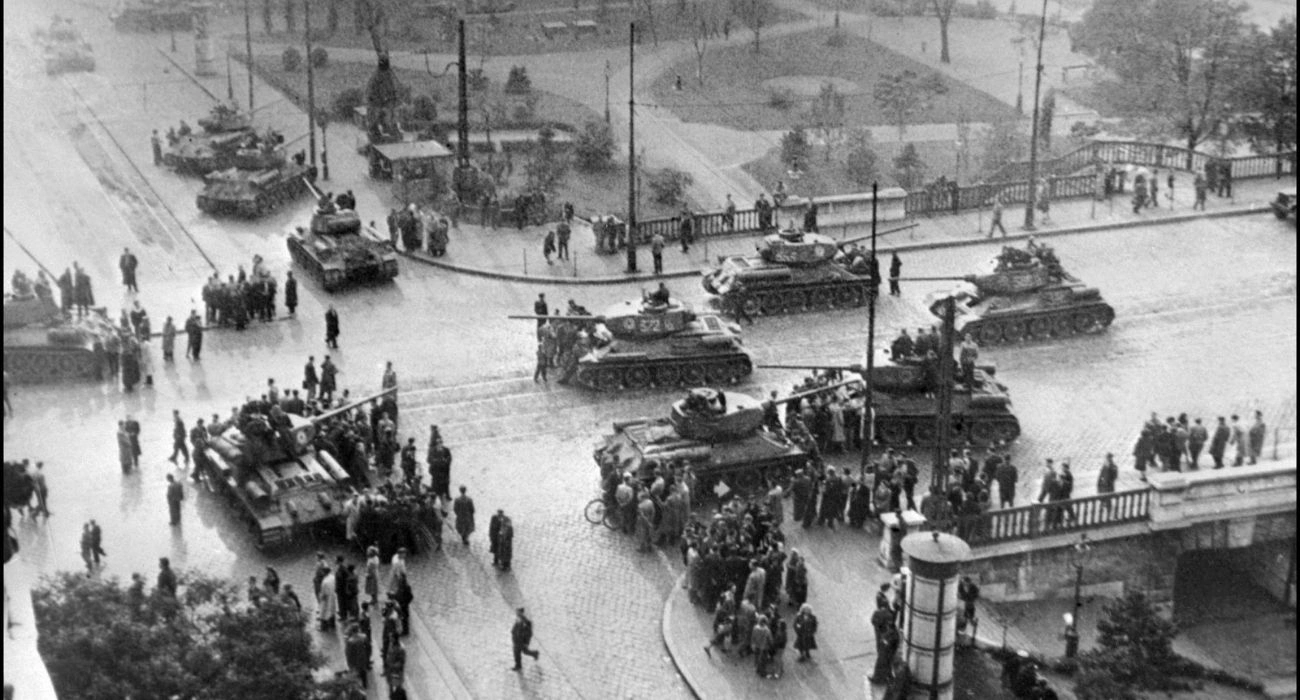
In October 1956, Hungary experienced a nationwide revolution that began with social and political demands before escalating into a broader movement against Soviet influence. Like the events in Poznań, the uprising was eventually suppressed through military force.
One of the figures most closely associated with the Hungarian Revolution is Peter Mansfeld, a young Hungarian who became involved in resistance activities during the period of unrest. Unlike Romek Strzałkowski, whose life ended during the events themselves, Mansfeld was later arrested and ultimately executed by the authorities.
Although their circumstances differed, both young men came to symbolize the human consequences of political conflict and repression.
Two Lives, One Shared Memory
Seventy years later, the stories of Romek Strzałkowski and Peter Mansfeld continue to connect Poland and Hungary through a shared historical experience.
Their names are remembered not because they held positions of power, but because they represent ordinary individuals whose lives became intertwined with extraordinary events. In many ways, their stories reveal how historical memory is often shaped by personal narratives rather than political declarations.
Through memorials, educational initiatives, cultural projects, and public commemorations, both countries continue to preserve the memory of those affected by the events of 1956.
Why These Stories Still Matter Today
For younger generations, 1956 may feel distant. Yet the questions raised by these events remain relevant.
How do societies remember tragedy? How should communities preserve difficult histories? What responsibilities do future generations have in understanding the experiences of those who came before them?
The stories of Romek Strzałkowski and Peter Mansfeld encourage reflection on these questions. They remind us that history is not simply a record of political decisions, but a collection of human experiences that continue to shape cultural identity and collective understanding.
- 1956: The year both the Poznań uprising and the Hungarian Revolution took place.
- 57–100 estimated fatalities during the Poznań June uprising.
- 70 Years - The anniversary commemorated in 2026.
— George Santayana“Those who cannot remember the past are condemned to repeat it.”
CONTRIBUTION TO SOCIETY
The remembrance of the events of 1956 helps preserve historical awareness, promotes dialogue across generations, and encourages reflection on the importance of human dignity, civic responsibility, and collective memory. By focusing on individual stories, societies can better understand the lasting human impact of historical events.
Beyond the Pages of History
The significance of 1956 extends beyond the events themselves. Historians often regard the Poznań June uprising and the Hungarian Revolution as some of the earliest large-scale challenges to Soviet-backed communist rule in Central and Eastern Europe. Although both movements were suppressed, they demonstrated a growing desire for freedom, dignity, and national self-determination that would continue to inspire future generations.
Over the following decades, similar movements emerged across the region, contributing to a broader process of political and social change. When communist regimes across Central and Eastern Europe began to collapse in 1989, many observers viewed these transformations as part of a longer historical journey that had begun with earlier acts of resistance. In this sense, the sacrifices of individuals such as Romek Strzałkowski and Peter Mansfeld became part of a legacy that helped shape the democratic societies enjoyed by millions today.
Seventy years after the events of 1956, the stories of Romek Strzałkowski and Peter Mansfeld continue to resonate not because of politics alone, but because of their humanity. Their lives remind us that history is ultimately experienced by individuals, families, and communities. As generations pass, their legacy endures as a testament to memory, resilience, and the enduring importance of remembering those whose stories might otherwise be forgotten.
Categories
Tagged in this story
Image sources