
Yvon Chouinard: Redefining Business Through Environmental Responsibility
Written by Admin • 2026-10-26 01:32:00
Topics
Yvon Chouinard, founder of Patagonia, exemplifies how environmental responsibility can redefine business ownership. His leadership style integrates ethical practices and corporate philanthropy, challenging traditional views on profit and legacy.
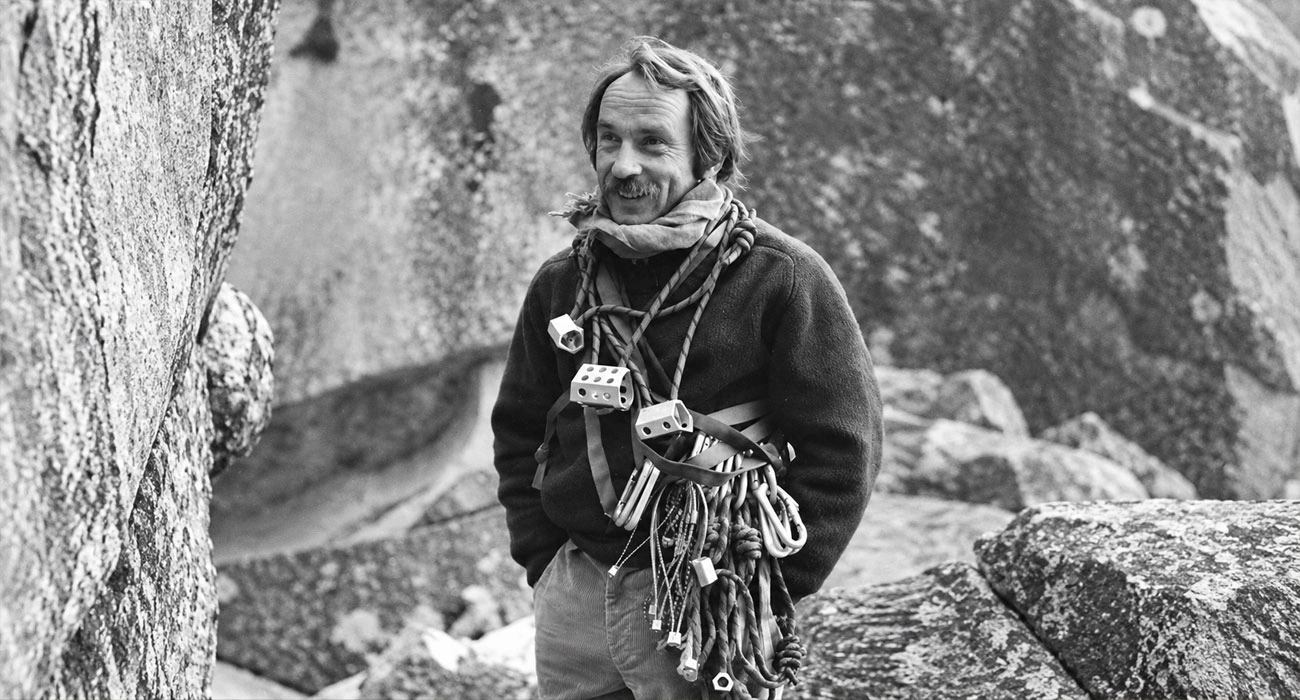
Yvon Chouinard: Redefining Business Through Environmental Responsibility
Discover how Patagonia founder Yvon Chouinard challenged conventional business ownership by placing environmental responsibility at the centre of his company's future.
From Climbing Equipment to a Global Outdoor Brand
Yvon Chouinard’s entrepreneurial journey began with a personal interest rather than a conventional corporate ambition. An experienced climber and self-taught blacksmith, he began making climbing equipment in the late 1950s. His early work reflected a practical need: climbers required equipment that was reliable, functional and suited to demanding outdoor conditions. This experience shaped his approach to business, leading to the founding of Patagonia in 1973, which eventually grew into a globally recognized outdoor clothing brand.
Yet the company's identity developed beyond its products. The natural landscapes that inspired Patagonia’s customers were also environments vulnerable to pollution, resource extraction, and climate change. This created a fundamental question for its founder: how could a company built around outdoor recreation operate responsibly in a world facing environmental pressures? Chouinard's commitment to these questions set the foundation for a new kind of business model.
Making Environmental Responsibility Part of Business
For Chouinard, environmental responsibility became more than just a marketing message. Patagonia developed initiatives aimed at reducing the environmental impact of its products and operations while supporting organizations working to protect nature. This approach helped bring discussions about product durability, responsible consumption, and environmental activism into the outdoor apparel industry, proving that a company's identity could be shaped by the values it practiced.
This philosophy presents a challenge to conventional business thinking. Growth and profitability are important for a company's survival, but they do not automatically determine whether a business creates long-term value for society. Chouinard's approach encourages leaders to consider the environmental consequences of their decisions alongside financial performance, marking a significant shift in the way businesses can operate.
Ownership as a Statement of Purpose
In 2022, Chouinard and his family made a distinctive decision about Patagonia's future. Instead of pursuing a conventional sale or public listing, they transferred the company's ownership through two entities: the Patagonia Purpose Trust and the Holdfast Collective. This structure was designed to protect Patagonia's mission while directing available profits not reinvested in the business toward environmental causes.
The decision attracted international attention as it connected the question of ownership directly with the company's purpose. It highlighted the distinction between simply declaring values and embedding them into a company's structure. Ownership arrangements and governance mechanisms significantly influence how decisions are made over time, emphasizing the importance of aligning business operations with a company's core mission.
A business legacy can be measured by the purpose it protects, not only the wealth it creates.— Editorial Insight
Facts & Insights
- Patagonia was founded in 1973 and developed from Chouinard's experience in climbing and outdoor activities.
- Chouinard and his family transferred Patagonia's ownership through a purpose-focused structure in 2022.
- Patagonia's ownership model was designed to protect its mission and direct available profits towards environmental protection.
1973
Patagonia Founded
2022
Ownership Transition
1%
Environmental giving by participating businesses
2
Entities: Patagonia Purpose Trust and Holdfast Collective
portrait of Yvon Chouinard outdoors
Building a Legacy Beyond Personal Wealth
Chouinard's story raises a wider question for entrepreneurs: what should happen to a successful business after its founder steps away? Traditional succession planning often focuses on family ownership, acquisition, or shareholder returns. His approach places the company's environmental mission at the centre of that decision, providing a useful case study for leaders exploring how governance can protect long-term priorities from short-term pressures.
For emerging entrepreneurs, the lesson is not simply to donate money or promote sustainability. It is to examine how products are made, how resources are used, how employees and communities are treated, and what a business is ultimately designed to achieve. Chouinard's legacy therefore extends beyond outdoor clothing; it lies in the challenge he presents to other business leaders: commercial success can be measured not only by what a company earns but also by the values it preserves and the impact it chooses to create.
Categories
Tagged in this story
Image sources
By Tom Frost - http://www.fastcompany.com/files/next-46-sustainability2.jpg, CC BY-SA 3.0, https://commons.wikimedia.org/w/index.php?curid=9104827 [upscaled by using generative image]]